Apple’s Vision Pro headset is undergoing a big change. The company is stepping back from the original device. Instead, it is focusing on smart glasses. These glasses will be lighter and use advanced AI without heavy displays.
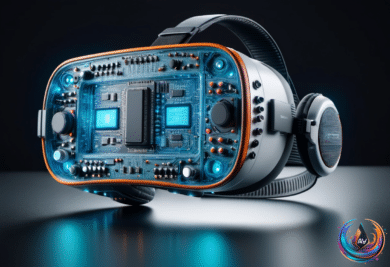
The Vision Pro launched at $3,499. It weighs over 1.3 pounds, which many found heavy. The high price also kept it from selling more widely. Only 600,000 units have been sold so far. Compared to the Samsung Galaxy XR, priced at $1,799, the Vision Pro seems steep.
Apple recently released visionOS 27 as a developer beta on June 19, 2026. This update added support for third-party motion controllers. Before, Apple only allowed hand and eye tracking. Adding controllers opens up more content and user options. The update also includes features like Visual Siri, Spatial Panoramas, Curved Windows, faster startup, and a new Spatial Accessories API. Two of these features need the newer M5 Vision Pro hardware.
Meanwhile, Apple is planning a redesigned Vision Pro headset. This new model will be slimmer and lighter. The main chipset will move to an external puck, reducing weight on the user’s head. But don’t expect this redesign before late 2028. This shows Apple is not giving up on headsets but shifting priorities.
Leadership Changes Signal a New Direction
Paul Meade, the Apple VP who led the Vision Products Group, is leaving Apple next week. He spent seven years leading hardware engineering for the Vision Pro. He also led Apple’s smart glasses projects. Before that, Meade worked on the iPad and iPhone. His experience runs deep in Apple’s hardware team.
Meade will start a hardware division at OpenAI. This move signals OpenAI’s growing interest in building its own physical devices. It’s rare for Apple to lose such a key hardware leader. Meade’s departure may speed up Apple’s shift from bulky headsets to sleek smart glasses.
At the same time, John Ternus will become Apple’s CEO on September 1, 2026. Ternus is Apple’s current SVP of hardware engineering. His promotion suggests the company’s hardware future, including AR devices, is in experienced hands.
Smart Glasses: Apple’s Next Big Bet
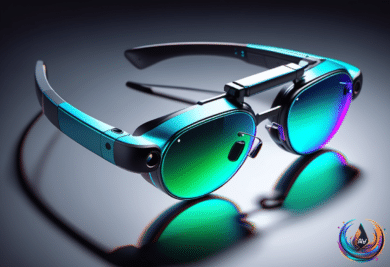
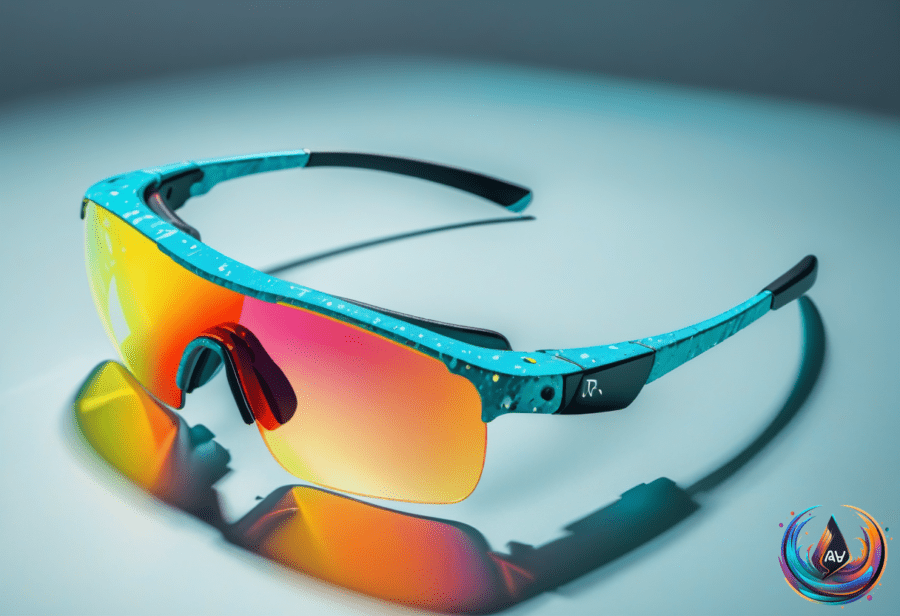
Apple’s smart glasses won’t arrive soon. The first model is expected no earlier than late 2027. These glasses will not have a display. Instead, they will use cameras and AI to deliver features. This approach is different from the bulky Vision Pro headset.
The shift to smart glasses fits with wider tech trends. Devices that are lightweight and powered by AI promise more comfort and longer use. Apple’s move away from full headsets also hints at tackling the price and weight issues that limited Vision Pro sales.
While some rumors say Apple is canceling its headset line, the company is realigning. The Vision Pro is not dead. It’s evolving. In the future, expect a lighter headset alongside smart glasses that feel less like gear and more like everyday wear.
The Vision Pro’s price was a major hurdle. At $3,499 new and $2,000 refurbished, it was out of reach for many users. The market for AR and VR gear is still young. Apple’s strategy to build smart glasses powered by AI could open new doors and reach more users.
This new direction also reflects changing user habits. People want smaller, lighter devices that integrate smoothly into daily life. Apple’s Vision Pro pivot shows it wants to lead this next phase, even if it means stepping back from the original headset’s vision.
Based on
- Apple executive in charge of Vision Pro is reportedly leaving for OpenAI — engadget.com
- visionOS 27: Apple Adds Third-Party Motion Controller Support for Vision Pro (2026) — basiaweb.com
- Apple Vision Headset: Rumors Debunked, Future Plans Revealed (2026) — savingsaccountsuk.com
- visionOS 27 Beta Rolls Out: Visual Siri, Spatial Panoramas, and M5-Exclusive Features for Apple Vision Pro | Smart Wearables — smartwearables.io
- Why Apple Gave Up on Vision Pro (M5 Flop) and What’s Next for AR Glasses (2026) — elimcc.org