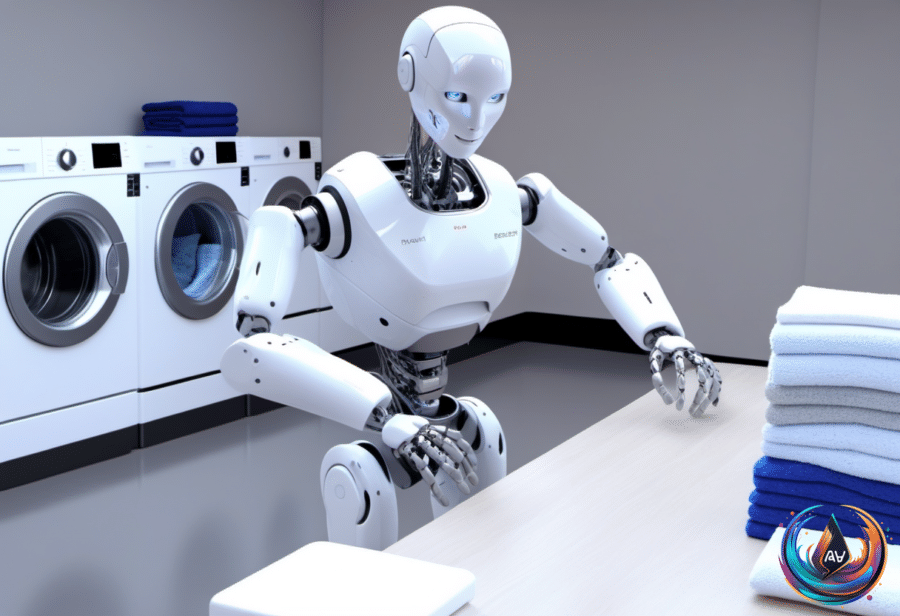
NEURA Robotics and NXAI announced a partnership on October 20, 2026, to develop a memory component for cognitive robots. The work will bring together NEURA’s Physical AI stack and NXAI’s xLSTM architecture, while adding a second model option to the Neuraverse platform.
The partnership focuses on a basic challenge for robots: remembering what they have already seen and experienced while completing a task. David Reger, Founder and CEO of NEURA Robotics, put the idea plainly: “A robot that genuinely helps in everyday life and industry must be able to remember.”
That memory component will connect with NEURA’s existing Neuron AI system, a multimodal foundation model for Physical AI. Neuron AI combines 3D vision, touch, audio, robot state, and language with memory, giving robots a way to act on information from several senses at once.
Building Memory Into Physical AI
For a robot, memory matters when important information is no longer in view. Neuron AI enables robots to retain relevant context when objects disappear from view, allowing the system to continue acting on information gathered earlier in a task.
This capability connects perception with action. A robot can use 3D vision, touch, audio, robot state, and language as part of the same Physical AI system, then keep relevant context available through memory. The partnership with NXAI is aimed at developing another memory component for cognitive robots and bringing that work into the Neuraverse platform.
NXAI was founded by Prof. Dr. Sepp Hochreiter, who is developing the xLSTM architecture. Hochreiter described the role of memory and experience in practical robot behavior: “Memory and experience are what allow robots to solve tasks reliably across many steps, and that NXAI and NEURA together are bringing that strength into Physical AI.”
The agreement also gives the Neuraverse platform a second model option. The announced partnership does not replace NEURA’s existing technology; it adds a path for integrating the xLSTM architecture with NEURA’s Physical AI stack.
Training From Three Kinds of Experience
NEURA developed and trained Neuron AI in-house in Metzingen, Germany. The model learns from three sources of physical experience: real-world robot data, simulation-amplified data, and human demonstration data.
Those three sources give Neuron AI different forms of information about how robots interact with the physical world. Real-world robot data comes from robot activity, simulation-amplified data expands that experience through simulation, and human demonstration data provides examples of how tasks can be performed.
Neuron AI uses that training to combine its inputs rather than relying on one type of sensor or one form of instruction. Its design brings together physical signals, language, robot state, and memory within a foundation model for Physical AI.
The system has already been shown handling a task that unfolds over time. At NVIDIA GTC Berlin 2026, NEURA demonstrated its humanoid robot 4NE1 performing an eleven-minute laundry-handling sequence with Neuron AI. The demonstration took place during the event, which ran from October 20 to 22, 2026.
Why the Partnership Matters for Cognitive Robots
An eleven-minute sequence gives the memory question a practical setting. Laundry handling requires a robot to work through multiple steps, use information from its surroundings, and keep relevant context available as objects move or disappear from view.
The demonstration also showed how NEURA connects its robot hardware with Neuron AI. The 4NE1 humanoid robot performed the sequence with the model, while the partnership with NXAI adds xLSTM as another architecture for the memory component and the Neuraverse platform.
NEURA Robotics describes itself as a company developing Physical AI and cognitive robots. NXAI is developing the xLSTM architecture under the leadership of its founder, Prof. Dr. Sepp Hochreiter. Their October 20 announcement brings those efforts together around memory for robots.
The central idea is simple: robots need more than the ability to sense the world in front of them. They also need to hold on to useful context as tasks continue. NEURA’s Neuron AI already combines several physical inputs with memory, and its partnership with NXAI is intended to expand the model choices available for that work.
Based on