The midterms are turning into a verdict on Trump. The upcoming elections will test Donald Trump’s second term and decide whether Democrats regain political power in Washington, with voters weighing prices, war, the border, artificial intelligence datacenters, election rules, and their broader confidence in the country.
Polls show Trump’s approval ratings at their lowest across his two presidencies. Much of that unpopularity traces to dissatisfaction with the economy and the war on Iran, which is an awkward pairing for a president who wants both issues treated as separate problems.
Prices and Iran dominate the argument
The economy remains voters’ top concern, and 34% of respondents identify the economy and inflation as the country’s most important issues. A recent Associated Press-NORC survey found that only 26% approve of Trump’s handling of the economy, while 28% approve of his handling of inflation and 67% disapprove.
Iran has made that economic anxiety harder to ignore. Iran’s retaliatory decision to close the strait of Hormuz has pushed gasoline prices higher for US motorists, while Trump’s decision to go to war with the Tehran regime has added to worries about the economy.
The broader mood is bleak. In an Economist/YouGov survey from October 12, 48% said they were more pessimistic about their futures than they were ten years ago, compared with 23% who felt more optimistic. Only 19% thought things in the country were under control, while 70% said they were out of control.
That frustration reaches the direction of the country and Trump’s own reputation. Just 27% thought the country was heading in the right direction, against 66% who said it was on the wrong track; 28% considered Trump effective, and 23% considered him honest.
“All politics is local,” Tip O’Neal said. Gasoline prices are local, household budgets are local, and political consequences tend to arrive at the polling place without much interest in Washington’s explanations.
AI datacenters and the fight for Congress
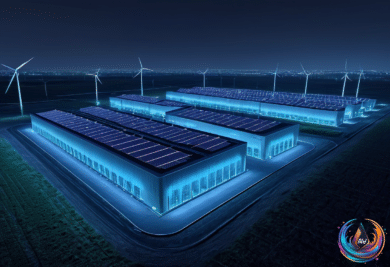
Artificial intelligence has entered the election debate through infrastructure rather than chatbots. Polls show that up to 70% of Americans oppose building AI datacenters in their areas, giving Democrats another issue as communities weigh the physical footprint of an industry that prefers to discuss software.
Trump’s signature border issue remains enforcement and closing the border. Election rules are also in play: the US supreme court last month rejected Trump’s bid to restrict mail-in ballots, leaving the dispute over voting access in the campaign mix.
The elections are seen as a referendum on the incumbent party, and the party in power tends to lose seats. Republicans’ 2018 result offers a useful warning: they suffered a net loss of 39 House seats but gained two Senate seats.
Current voting intentions give Democrats an advantage. Democrats lead Republicans 46% to 39% in House voting intention, while 45% intend to vote Democrat in Senate elections and 40% support Republicans. Democrats are ahead or level with Republicans in every demographic group except white voters; women, black and Latino voters, younger voters, and voters with college degrees strongly support Democrats.
The Senate map is less forgiving. Democratic senators and their independent allies Bernie Sanders and Angus King hold 47 seats, and Democrats need to win at least four states to take control. Winning three would produce a 50% split, but Vice-President J.D. Vance, who is the speaker of the Senate, could break a tie with his casting vote.
North Carolina and Maine are predicted Democrat wins, with both seats currently held by Republicans. Alaska, Iowa, Ohio, and Texas are toss-ups, though the starting points favor Republicans: they won Iowa by 6.5 percentage points in the 2020 Senate elections, Texas by 9.5 points, Alaska by 13 points, and Ohio by 6 points in the 2022 midterms.
Recent polling has narrowed that gap. Democrats lead 50% to 43% in Alaska and 51% to 49% in Texas, turning states once treated as difficult targets into live contests. Voters cast ballots at the NC State University Business Services building on October 15, 2026, a small local scene inside a national test of Trump’s second term.
Based on
- From Iran to AI: the six key voter issues shaping the US midterm elections — theguardian.com
- What will drive American voters to the polls in the midterm elections? – video explainer | US politics | The Guardian — theguardian.com
- What polling predicts will happen at the US midterm elections | The Independent — independent.co.uk
- The most important US midterm trends I’m seeing | Molly Jong-Fast | The Guardian — theguardian.com