AI infrastructure is becoming the focus of a new financial plan. Silicon Data has closed a $30 million Series A and wants to create a market price for the computing power behind AI products.
The startup plans to build a reference price for GPU rental, then connect that price to a futures contract. Its compute futures trading is planned for the CME on October 5th, pending regulatory approval.
That timing gives the project a clear next step, but the plan still depends on approval. If the launch moves ahead, Silicon Data would have an index for GPU rental that a Wall Street futures contract could settle against.
Putting a price on AI computing power
Theresa Loconsolo, a TechCrunch audio producer, described the financial pressure driving the project. “The AI buildout shows no signs of slowing. And with hundreds of billions of dollars a year going into data centers and GPUs, compute has become the single biggest cost for anyone building AI products,” she said.
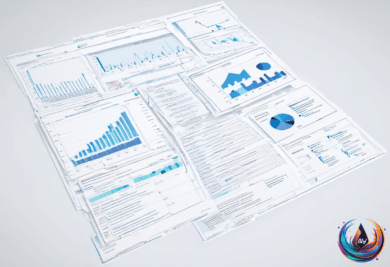
That cost gives Silicon Data a reason to focus on price discovery. The startup aims to become the reference price for GPU rental, creating an index that tracks the cost of the computing power used by AI products. Its planned futures contract would settle against that index.
Loconsolo summed up the funding milestone in direct terms: “Silicon Data just closed a $30 million Series A to change that.” The money is tied to the startup’s effort to create a pricing system for a resource that sits at the center of AI infrastructure.
Charles Sansbury, CEO of Cloudera, pointed to the difficulty companies already face when planning AI workloads. “Many companies have been surprised by the costs of AI workloads on both private and cloud hardware,” he said.
Those costs can show up across different types of infrastructure. Silicon Data’s focus on GPU rental and a related price index is aimed at giving the market one reference point for compute pricing, whether the hardware is private or in the cloud.
From infrastructure finance to digital currency
The discussion around AI infrastructure also includes a proposal for a compute-backed digital currency. Bob Gelfond discussed financing AI infrastructure and the creation of a digital currency backed by computing power.
Gelfond is the CEO of MQS Management and the founder and chairman of MagiQ Technologies. His role in the discussion connects the financing of AI infrastructure with a different question: whether computing power can support a digital currency.
The idea places compute at the center of both plans. Silicon Data is working toward a reference price and futures trading, while Gelfond discussed a digital currency backed by computing power. Together, the proposals treat compute as something that can support financial products as well as AI systems.
The wider debate also includes the effect AI may have on jobs and the economy. Andrew Yang said, “We’re subsidizing a technology that will replace millions.” That comment adds a policy concern to the financial discussion surrounding AI infrastructure.
Silicon Data’s next milestone is the planned October 5th launch on the CME, pending regulatory approval. Before that date, the company’s $30 million Series A, its GPU rental index, and its compute futures plan point to one goal: making the cost of AI computing easier to measure and trade.
Based on