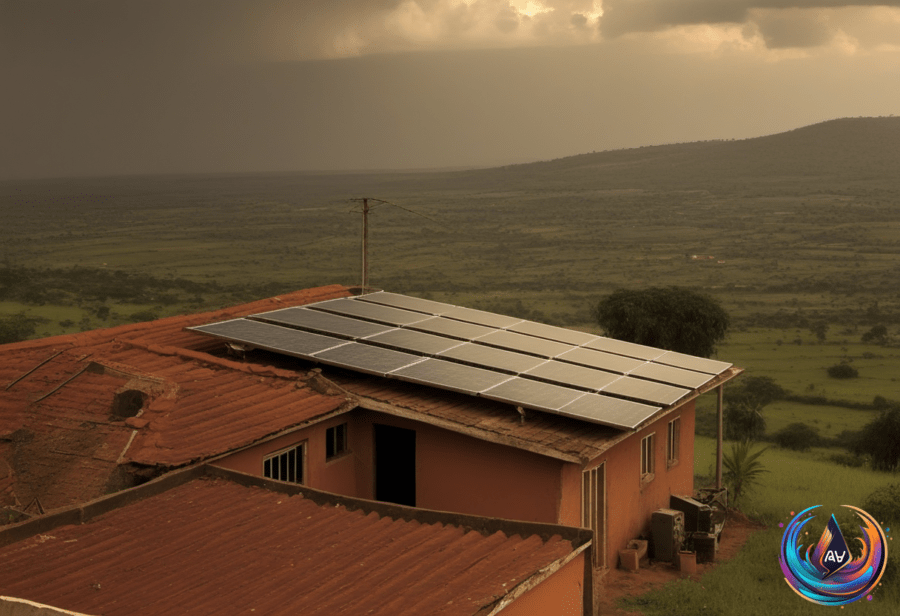
Solar energy is no longer just an environmental talking point in East Africa. It’s a financial lifeline for businesses and communities facing unreliable grids and soaring electricity costs.
In Nairobi, entrepreneurs like Milcah Wanjiru run solar-powered grain mills that cut fuel expenses and boost profits. Her milling machine, designed for solar use, eliminates costly diesel consumption, trimming operating costs by up to 80 percent once the initial investment pays off.
Solar technology costs have dropped dramatically over the past decade. But in 2026, rising global supply constraints and currency fluctuations have pushed prices back up, especially in import-reliant markets like Kenya and Nigeria. Despite this, investing in solar remains a smarter bet than sticking with unstable and expensive grid power.
Kenyan commercial tariffs hover around KES 22 to 25 per kilowatt-hour. Solar amortizes to roughly KES 5 to 8 per kilowatt-hour over its 25-year lifespan. For energy-intensive businesses, that difference can mean millions saved annually. Payback periods for commercial solar installations have shrunk to three to six years, making solar a financial necessity rather than a luxury.
Battery storage is the critical piece. Solar panels don’t work at night or during grid outages. Cheap batteries fail fast, eroding any savings. High-quality lithium iron phosphate batteries, though pricier upfront, extend system life and protect returns. Skimping on storage is an expensive mistake.
Across East Africa, business owners echo these realities. Nigerian entrepreneurs, battered by fuel subsidy removals and rising diesel prices, have turned to solar to stay afloat. One computer center owner cut his monthly fuel bill drastically and recovered his solar investment within a year. Others report similar stories of regained profitability and business expansion after switching.
The upfront cost remains a major hurdle. Solar systems that cost ₦600,000 to ₦700,000 three years ago now fetch between ₦1.5 million and ₦2.5 million. Flexible financing models, such as instalments and pay-as-you-go plans, have eased entry barriers but haven’t eliminated them.
Governments in the region face a choice. Kenya imports billions in petroleum yearly, exposing the economy to volatile global oil markets. Meanwhile, solar contributes only a small fraction of the electricity mix despite ample sunshine year-round. Accelerating investment in solar farms, rooftop systems, and battery storage could reduce fuel dependence and lower the cost of living.
Regional cooperation also matters. Cross-border solar investment and mini-grid development promise faster, cheaper electrification for rural communities. Decentralized solar solutions have already connected millions off-grid. But large-scale projects often prioritize urban centers, leaving rural producers behind.
The real test for East Africa’s green energy future isn’t megawatts installed or emissions cut. It’s whether fishermen can keep more of their catch, farmers can irrigate through droughts, and small businesses can thrive without being strangled by power costs.
Solar power is not a panacea. But it is the clearest path to cheaper, more reliable energy. For East African entrepreneurs, it’s survival—and growth—with a side of independence from the grid’s whims.
Based on
- Entrepreneurs in Nairobi make the case for going solar — technologyreview.com
- The Financial Realities of Going Solar in 2026: Is It Finally Time to Cut the Grid? | Streamline — streamlinefeed.co.ke
- How Solar Saved My Business: Nigerian Entrepreneurs Beating High Energy Costs with Renewable Power – TG News — tgnews.com.ng
- EDITORIAL: Solar energy provides Kenya’s path to a cheaper future – Informer East Africa News – The Heart of African News in UK and Beyond — informereastafrica.com
- South SDGs Watch : Powering Opportunity: How Solar Energy Can Transform Livelihoods in East Africa — southggwatch.blogspot.com