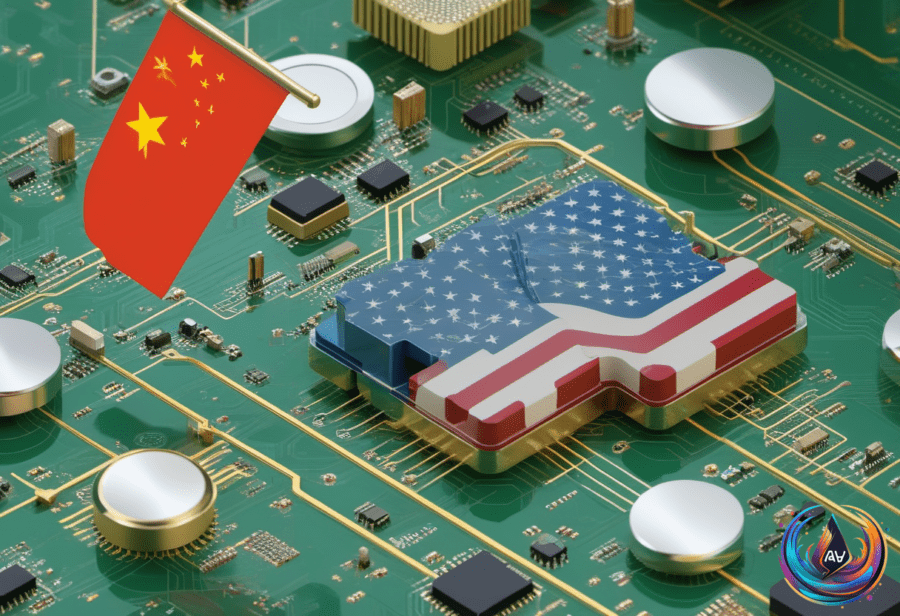
Apple is shaking the tech world with a daring plan. The company wants to buy memory chips from a Chinese firm flagged by the U.S. government. This move could change the chip supply game during a tough shortage.
Apple Eyes CXMT Despite U.S. Blacklist
The Chinese memory chipmaker CXMT recently landed on the Pentagon’s strict 1260H blacklist. This list targets companies linked to the Chinese People’s Liberation Army. The U.S. Defense Department bans signing contracts or using products from these companies. Apple, however, is pushing to get permission to buy from CXMT.
Apple started talks with the Commerce Department about this over a month ago. They want clearance from the Trump administration to buy CXMT chips. Officially, Apple is not banned from CXMT business. Still, the company risks serious government backlash without White House approval.
Why Risk It? The Chip Shortage Crisis
The chip shortage is hitting hard. Industry leaders Micron, Samsung, and SK Hynix are delivering only 60 to 70% of the memory chips the market demands. Apple’s hardware prices have jumped as a result:
- The 1TB M5 MacBook Pro now costs $300 more.
- The entry-level MacBook Neo got a $100 price hike.
- All iPad Pros jumped $200 in price in just one week.
Buying chips from CXMT could help Apple ease supply woes. It might stabilize production and control rising costs. Apple CEO Tim Cook even mentioned possibly using YMTC, another Chinese memory maker. Rumors say Google is also exploring cooperation with CXMT, but industry experts doubt either tech giant will adopt Chinese chips widely.
Political Storm Brewing Over Apple’s Choice
Apple’s push faces sharp pushback from lawmakers. Congress is expected to object if the Trump administration greenlights this plan. Critics warn about national security risks. John Moolenaar declared, “Apple choosing to partner with a Chinese military company would be a grave mistake.”
The Defense Department’s blacklist aims to cut off any military-linked Chinese firms from U.S. tech contracts. While Apple is a private company, this move blurs lines between commerce and security. The government’s stance will shape how far tech giants can rely on controversial suppliers.
Apple currently buys memory chips from established leaders Micron, Samsung, and SK Hynix. Turning to CXMT could mark a major shift in supply chains. The industry watches closely to see if Apple’s gamble pays off or sparks harsher restrictions.
What’s Next for Apple and the Chip Industry?
Apple’s request has opened a new front in the global chip race. Will Washington approve this risky deal? Or will Capitol Hill block it to protect national security? The answers will ripple through the tech and semiconductor world.
One thing is clear: the chip shortage drives companies to explore every option. Apple’s move could force new rules and change how global supply chains operate. Stay tuned—this story is just heating up.
Based on
- Apple is reportedly looking to buy chips from a US-blacklisted Chinese company — engadget.com
- Apple and Google consider adopting Chinese memory chips: three obstacles remain — digitimes.com
- Apple, Google Eye Chinese Memory as Samsung, SK Stay Unfazed – Seoul Economic Daily — en.sedaily.com
- Analysis: Why Apple can’t wait out this memory shortage — digitimes.com
- Apple Price Hikes Trigger Asia Tech Selloff: Memory Cost Concern (2026) — bluox.org