Gear makers will gladly sell you a hundred different add-ons for a sound system, from gold-plated audio cables to extra components meant to improve playback. But not every upgrade deserves the same attention. Gold-plated audio cables, for example, cannot really improve digital audio.
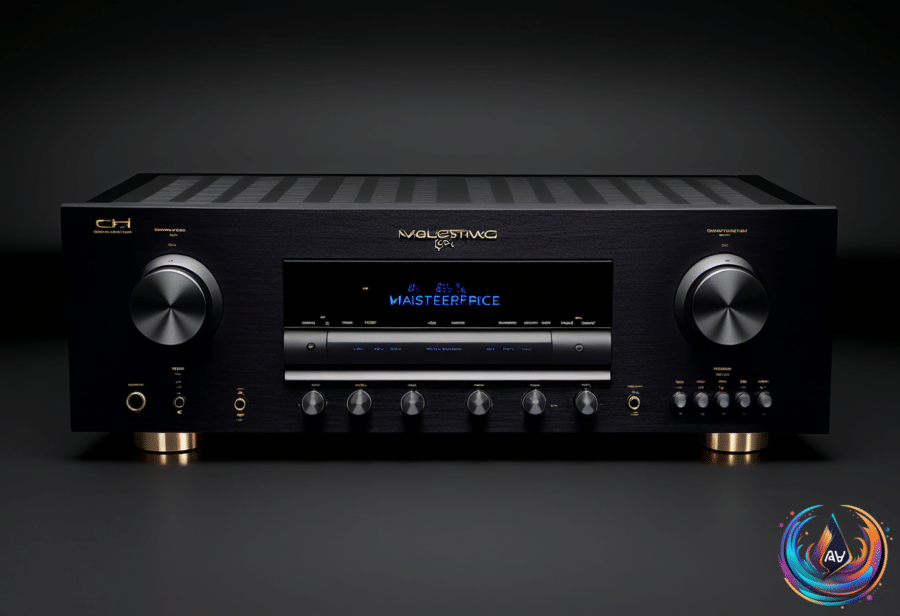
An amplifier is different. It plays a central role in any sound system because most audio signals are not strong enough to be heard clearly without one. Every sound system needs an amplifier to increase the strength of a signal before it reaches the output, which makes the amp a product worth taking seriously.
What an amplifier actually does
The main job of an amplifier is to give an audio signal enough strength to power speakers. That job is separate from the work of a preamp. A preamp raises an audio signal to line level, but an amplifier is still needed to power speakers. Some amplifiers include a preamp, so one product can handle both tasks.
Receivers often combine amplifier and preamp functions in the same unit. That makes a receiver a practical choice when a system needs both parts together. Still, an exceptionally power-hungry system may demand an amplifier on top of a receiver.
The key question is not simply whether an amplifier makes sound louder. It is whether the amplifier can provide the right power for the speakers and handle the system’s requirements without creating problems. That is why amplifier selection matters when building or changing a sound system.
Matching an amplifier to your speakers
An amplifier needs to match the power and impedance specifications of the speakers. Power is measured in watts, while impedance is measured in ohms. Those figures help determine whether an amp is suitable for the speakers connected to it, so checking them is an important step before buying separate equipment.
The controls matter, too. Any quality amplifier will let you adjust gain and shape the sound through its equalizer, or EQ. Gain controls the strength of the signal, while EQ gives you a way to shape the sound. Getting both settings right helps prevent clipping, distortion, or damage to the hardware.
Clipping and distortion can affect what you hear, while incorrect settings can also put the equipment at risk. An amplifier should not be treated as a box that only adds volume. Its power, impedance match, gain, and EQ settings all affect how the system works together.
Do you need a separate amplifier?
That depends on the speakers. Many consumer speakers are active, which means they already have integrated amplifiers. With active speakers, the amplification is built into the speaker, so a separate external power source may not be needed.
Passive speakers are different. They require external power sources and may need a dedicated amplifier. In that setup, the amp becomes a separate part of the system, making the match between the amp and speakers more important.
This distinction can prevent an unnecessary purchase. If the speakers already contain integrated amplifiers, buying another amp may not be the right upgrade. If the speakers are passive, an external amplifier may be essential for the system to work as intended.
Solid-state or tube-based?
For most people, a solid-state amplifier is the practical choice rather than a tube-based model. Tube amps deliver 50W or less, which makes them unsuitable for surround-sound configurations unless several are used.
Tube amps also require more maintenance, including replacing worn-out tubes. Trying to build a home theater around tube amplifiers would be expensive, especially when several units may be needed for a surround-sound setup.
That does not make every tube amp a poor product. It means the choice must fit the system. A setup that needs surround sound and substantial power creates different demands from a simpler arrangement, and those demands can make solid-state equipment the better option for most people.
Where an amplifier fits in an upgrade plan
An amplifier can improve a system when the existing equipment cannot provide enough signal strength or power for the speakers. But the amplifier should not automatically be the first upgrade. The quality of the speakers can often be improved more effectively than the amplifiers.
For a basic stereo system, jumping to a high-powered, all-in-one Atmos bar can improve the sound. Adding rear and side channels enhances sound separation, while ceiling channels represent the end goal for that approach.
The bigger lesson is simple: start with the needs of the entire system. Check whether the speakers are active or passive, compare the amplifier’s watts and ohms with the speaker specifications, and set gain and EQ correctly. An amplifier can be a vital part of better sound, but only when it matches the speakers and the rest of the setup.
Based on