DJI’s Osmo Pocket 4 has a major problem for shoppers in the United States: it is not officially available there because of a ban on certain DJI products. That leaves a clear opening for alternatives, and Insta360’s Luna Pro steps into it with similar features and video quality at a $600 price.
The choice becomes even more interesting when DJI’s own Osmo Pocket 3 enters the picture. Released in 2023 with a starting price of $520, the Pocket 3 brought motorized subject tracking, gimbal stabilization, and automatic horizontal or vertical video orientation through a screen flip. DJI has reportedly sold millions of Pocket 3 units, showing how much interest exists in small cameras that can handle polished video without a large setup.
Why the Luna Pro Stands Out
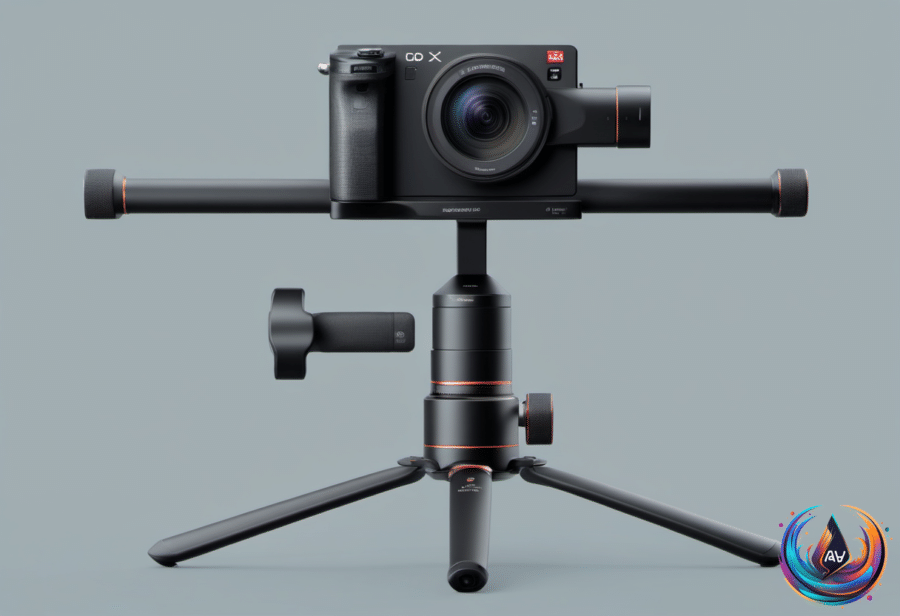
Insta360’s Luna Pro aims at the same compact camera audience while offering a strong set of specifications. Its 1-inch sensor works with a 20mm f/1.8 Leica Summicron lens, giving the camera a serious imaging foundation in a small body. The Luna Pro can record 8K video at 30 frames per second, and it supports 10-bit log capture, matching the capability listed for DJI’s Pocket 4.
That combination gives the Luna Pro a direct connection to the Pocket 4 conversation. Buyers who want high-resolution recording and more control over color capture can look to a camera that is available at $600, while DJI’s Pocket 4 remains unavailable in the United States.
The Luna Pro also supports vertical video at up to 4K 30 fps, a useful option for creators who need a vertical format. Its display is detachable, which creates a different kind of shooting experience from a camera with a fixed screen. A user can walk away from the camera and still line up the shot, opening up more distance between the operator and the camera.
Storage, Battery Life, and Everyday Tradeoffs
The biggest hardware tradeoff appears in internal storage. The Luna Pro includes 47GB, while DJI’s Pocket 4 has 107GB of internal storage. That gives the Pocket 4 a clear advantage for users who want more built-in space, but the Luna Pro still combines its 47GB capacity with 8K 30 fps recording, 10-bit log capture, and a detachable display.
Battery life adds another point of comparison. The Luna Pro is rated for up to four hours, and the listed figure for both cameras is up to four hours. That puts the two models on the same footing for the stated battery rating, even as their storage capacities differ.
Price separates the older Pocket 3 from the Luna Pro by $80. The Pocket 3 started at $520, while the Luna Pro costs $600, but the newer alternative brings 8K 30 fps recording, a 1-inch sensor, a 20mm f/1.8 Leica Summicron lens, and a detachable display into the comparison.
A Small-Camera Market With Room to Grow
DJI’s Pocket 3 showed how much demand a compact camera with motorized tracking, gimbal stabilization, and automatic orientation can generate. Its 2023 release and reported sales of millions give the product category a strong foundation, while the Pocket 4’s United States availability problem creates space for another camera to attract attention.
Insta360’s Luna Pro takes that opening with a $600 price and a feature list built around high-resolution capture, vertical video, and remote framing. The detachable display may become its clearest point of difference because it lets users walk away from the camera while still lining up shots.
Other companies are also connected to this emerging camera direction. Oppo, a Chinese smartphone company, is exploring a gimbal camera, and Vivo, a phone maker, is potentially exploring one as well. Those efforts point to a growing field around compact stabilized cameras, even though the verified details here center on the Luna Pro and DJI’s Osmo Pocket models.
For United States buyers who cannot officially get the Osmo Pocket 4, the decision now has two strong reference points: the Pocket 3 at a $520 starting price and the Luna Pro at $600. The Pocket 3 offers a proven set of tracking, stabilization, and screen-flip features, while the Luna Pro brings 8K recording, a 1-inch sensor, detachable framing, and up to four hours of battery life. The next move in this category will be worth watching.
Based on