Utah just raised the stakes on AI data centers. Governor Spencer Cox issued an executive order setting tougher rules for massive developments. This isn’t a gentle nudge—it’s a clear line in the sand.
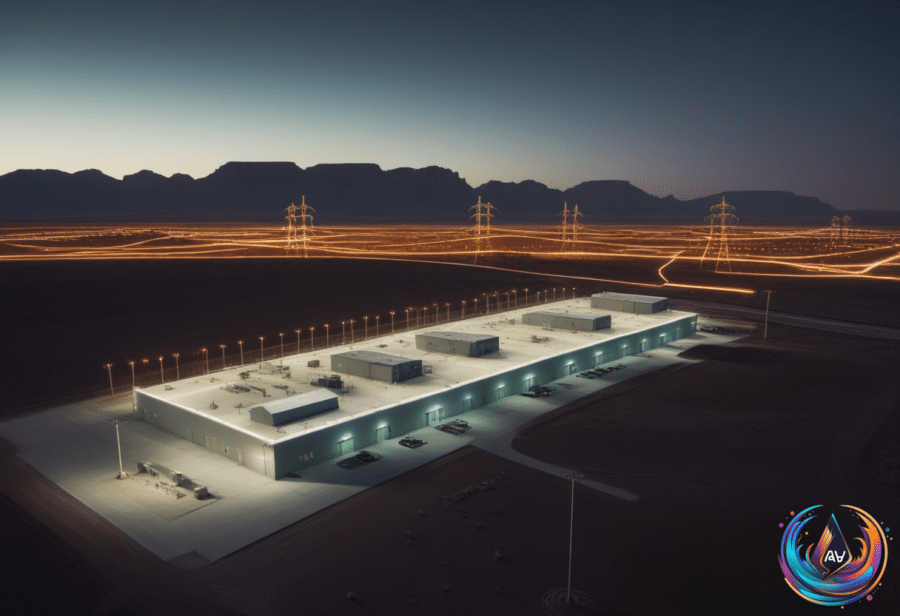
The trigger is the Stratos Project, a sprawling 40,000-acre data center campus backed by Shark Tank’s Kevin O’Leary. At full scale, it could demand 9 gigawatts of power—more than twice Utah’s average electricity use. That’s not just big; it’s gargantuan.
Local residents erupted in protest. They packed council meetings, filed petitions, and rallied at the state capitol. Their concerns aren’t trivial: water consumption, air quality, noise, traffic, and the looming threat to the Great Salt Lake, which already teeters on ecological collapse.
O’Leary dismissed the backlash as orchestrated by “professional protesters” and foreign interests, alleging Chinese funding without proof. That only fueled community distrust. Meanwhile, supporters tout job creation and economic growth. The tension is a classic clash—big tech ambition versus local ecosystem and livelihoods.
Governor Cox’s executive order demands a phased approach to development. No more blanket approvals. Now, each expansion requires a new permit. The state agencies must enforce eight core principles focusing on water protection, air quality, wildlife, utility rate stability, and transparent public input.
This framework isn’t just for show. It reflects a growing national reckoning. Communities are no longer willing to accept unchecked data center booms. Similar battles have erupted in New Jersey and Ohio. States are learning that AI infrastructure needs scrutiny, not just investment dollars.
Water is the real bottleneck. The Stratos Project seeks 13,000 acre-feet of water—enough for 20,000 households. That demand lands hard in a drought-stricken region. The order explicitly protects the Great Salt Lake and other water sources, signaling Utah’s unwillingness to sacrifice natural assets for raw compute power.
Energy sources remain murky. O’Leary insists the project won’t rely solely on natural gas, hinting at renewables and battery tech. But details are scarce. For communities concerned about carbon emissions and air pollution, the power mix matters as much as the data center itself.
Utah’s move signals the end of the wild west for AI infrastructure. The state isn’t banning data centers—it’s demanding accountability. Developers must prove their projects won’t drain resources or degrade residents’ quality of life.
This shift matters beyond Utah. It sets a precedent for how states balance tech expansion with environmental stewardship and public trust. The Stratos Project will test whether enormous AI ambitions can coexist with local interests—or if the backlash will reshape the industry’s growth model.
Kevin O’Leary calls the project “Wonder Valley.” Locals have a different name. The governor is trying to broker peace. But the battle lines are drawn, and the future of AI data centers just got a lot more complicated.
Based on
- A 9-gigawatt data centre outraged a Utah community. The governor just issued new rules. — thenextweb.com
- Utah Tightens Rules for Kevin O’Leary’s AI Data Center After Backlash – Archynewsy — archynewsy.com
- Utah Tightens AI Data Center Rules As Kevin O’Leary Battles Opposition To Massive Stratos Project – Benzinga — benzinga.com
- Utah’s governor just tightened the rules for Kevin O’Leary’s giant AI data center – DNYUZ — dnyuz.com
- Utah is raising the price of AI data center ambition – Startup Fortune — startupfortune.com
- Utah Governor Issues New Framework for Data Center Development Amid Controversy – Archynewsy — archynewsy.com