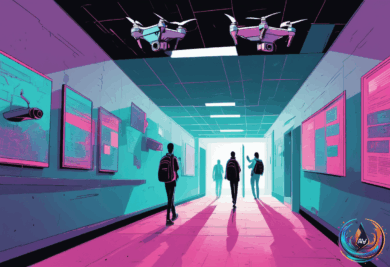
AI is moving into shops, immigration offices and everyday devices, but the people affected do not always know when it is being used or how to challenge its mistakes. In the United Kingdom, shoppers have been wrongly accused of shoplifting after retail surveillance systems flagged them as suspects.
At the same time, smart glasses are making private recording harder to spot, while the Home Office uses AI to help process asylum claims. These cases look different on the surface, but they raise the same basic question: what happens when an automated system is wrong and the person caught in it has no clear way to fight back?
False shoplifting accusations leave people trapped
TechRadar highlighted cases across the country in which shoppers said false accusations left them shaken and feeling that their privacy had been horribly violated. One woman identified as Mary said her husband became socially “isolated” after a quick trip to a Home Bargains store for vitamins went wrong.
The store system flagged the anonymous man as a shoplifter. Management then forced the couple to leave, seemingly without giving them a chance to refute the accusation. “I was scared to go into a shop,” the man said.
Another man was described as “shaking from head to toe” after his wife was removed from a Budgens store for allegedly stealing “loads of meat.” The accusation made little sense to the couple because they had not set foot in the store for months.
In these cases, the problem did not end when the shoppers left the premises. They faced a maze of corporate bureaucracy, vague explanations and blocked access to local businesses, with little recourse to clear their names.
People in the UK can file Subject Access Requests, known as SARs. They work like US Freedom of Information Act requests, but apply to private companies. The process technically gives wrongly accused shoppers a route to find out what information a company holds about them. In practice, it demands a major effort and requires people to hand over even more private information to the same companies.
Jack Coulson, head of advocacy at Big Brother Watch, described the situation as “the stuff of Kafkaesque nightmares to be trapped in a maze of bureaucracy and forced to hand over even more personal data just to be told the accusation.”
Smart glasses add another layer of hidden surveillance
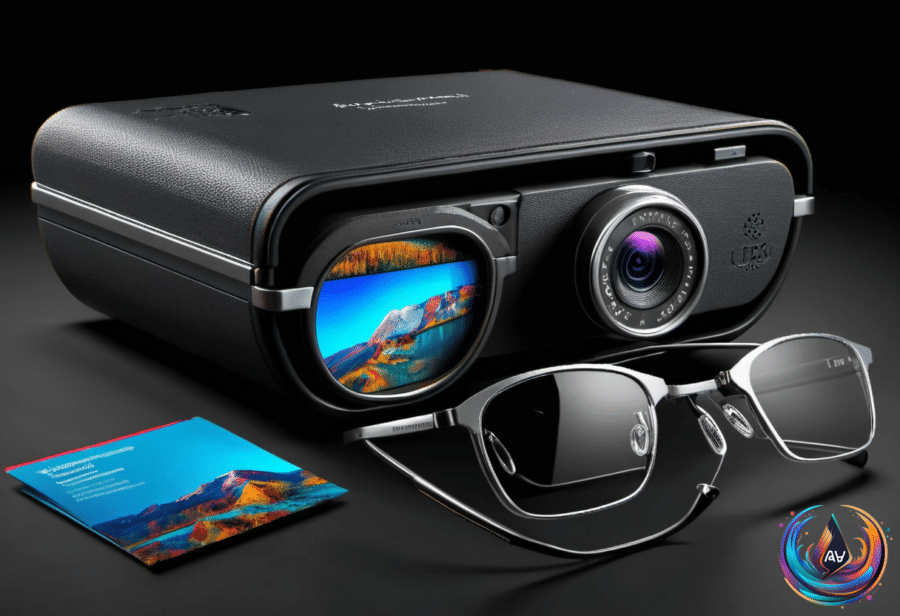
People also face uncertainty from smart glasses, which can record audio or video without making their use obvious. Most, though not all, smart glasses include signs that can help identify them.
The technology inside often requires thick frames, especially around the temples and the outer sides of the lenses. Camera lenses are typically placed in that second area. Many smart glasses also have a small indicator light that turns on during filming, so an LED can offer a useful clue.
That clue is not guaranteed. Low-cost duplicate glasses sold through TikTok Shop and Temu may not include a recording light. Some glasses are audio-first products without cameras, such as the Ray-Ban Meta Audio Glasses, so their presence does not prove that video recording is taking place.
Other signs can include someone pressing the temples of their glasses, pausing as if reading a display, or whispering voice commands. Apps called Nearby Glasses and ZuckOff can scan for nearby Bluetooth devices and identifiers linked with AI glasses, but neither tool is fully reliable. Bluetooth may be turned off, and both apps can produce false positives.
They can still serve as a first line of defense. If someone nearby raises concern, moving away and contacting authorities is advised when that person is following you. Meetings or events that require confidentiality can also make a neutral statement that smart glasses are not permitted. Any conversation with a stranger about recording should happen calmly and in a public place.
AI is also shaping asylum claim processing
The Home Office is using AI in the processing of asylum claims, including tools that summarise interviews with migrants. Around 7,000 AI summaries are generated each month on average, and caseworkers can use them to inform their decisions.
Spot-checks inside the Home Office found that the summarisation tool was failing basic accuracy tests. Other programmes are being developed to predict the age of small boat migrants from facial features. A report from the Open Rights Group documented further uses, including live facial recognition at borders, drones, satellites, systems designed to pre-empt unknown threats, mobile phone searches, age estimates, asylum case processing, automatic flags for possible “sham” marriages and immigration case prioritisation.
Campaigners say the government has released limited information and resisted requests for details. Cross-party MPs are pressing for transparency. Labour MP Bell Ribeiro-Addy said the Home Office must publish its equality and data protection assessments, explain how staff are trained, and allow independent checks of how well the tools perform.
“At present, asylum seekers are not even told when AI has been used to summarise their cases,” Ribeiro-Addy said. She also argued that the Home Office should not use AI in decisions this fundamental until it can show that the tools are accurate, safeguards are in place and the systems can be explained clearly.
SNP MP Pete Wishart said asylum seekers must know when technology has been used and have a chance to challenge its output if they believe a mistake was made. Green Party MP Sian Berry said AI use should be “subject to clear laws founded in human rights and fairness, with decisions subject to scrutiny and challenge.”
Lawyers at Cloister Chambers and Doughty Street Chambers have argued that the Home Office’s use of AI is “likely to be unlawful” because it may not meet legal obligations or the standards in the government’s AI playbook. Those standards include public transparency and considering alternatives before using these tools.
The human decision remains the central safeguard
The Home Office says AI does not replace human decision-makers. A spokesperson said trained caseworkers make asylum decisions, while AI tools assist with navigating interview records and policy information. The tools cannot be used alone and do not decide claims, the spokesperson said.
The department also said it monitors tool performance through its quality-assurance processes and has committed to publishing updated evaluations of the rollout. That promise matters because human oversight only works when people can see what the system did, understand its limits and challenge an error.
Sara Alsherif of the Open Rights Group called for “transparency, accountability and strict regulation” to restrict AI use and prevent a wider rollout. Whether the setting is a shop, a public street or an asylum office, the lesson is the same: a system that can affect someone’s freedom, privacy or future must not be hidden behind a wall of technology and bureaucracy.
Based on
- Innocent People Are Being Accused of Shoplifting by Faulty AI-Facial Recognition Systems at an Alarming Rate — futurism.com
- Canada AI: Can courts use tech to catch fabricated evidence? — ctvnews.ca
- The Best Ways To Tell If Someone Is Using AI Glasses — engadget.com
- Home Office urged to break with ‘toxic record of failure’ over AI use in asylum claims | The Independent — independent.co.uk