Virtual reality came back strong with the release of the Oculus Rift in 2016, but the technology’s path since then has not been simple. Many companies, including Apple, scaled back or shelved their VR efforts, even as new headsets such as the Steam Frame and Pimax Dream Air continue to appear.
That uneven progress helps explain the appeal of DIY VR. A small group of enthusiasts builds headsets from individual parts, often spending a couple hundred dollars and many hours turning those parts into a working device. The idea sounds inviting until the hardware, software, and construction work all arrive at once.
Why DIY VR Still Attracts Enthusiasts
Tim Stevens used an HP Reverb G2 headset built around the Windows Mixed Reality standard. When Microsoft was nixing support for WMR, that created concerns about needing a new headset. The situation also showed why a working VR device can depend on more than the hardware inside its shell.
Many talented individuals have kept WMR headsets alive through third-party drivers like OASIS on Steam. As Stevens put it, “Many talented folks have kept WMR headsets alive through third-party drivers like OASIS on Steam.” That kind of community work gives older hardware another path forward when official support changes.
DIY VR is also easier to explore because other builders have shared their work. Stevens points to YouTuber CNCDan’s video on building a VR headset for $150. Relativty VR offers code, configurations, and guidance for people developing their own headsets, while other projects include OpenVR Arduino HMD, Project North Star, and SlimeVR.
Relativty VR began in the late 2010s, started by Jonas Ceccon, Gabriel Combe, and Maxime Coutté. Projects like these do not remove the work involved, but they give DIY builders a place to start instead of requiring every part of the process to begin from scratch.
What Goes Into a Homemade Headset
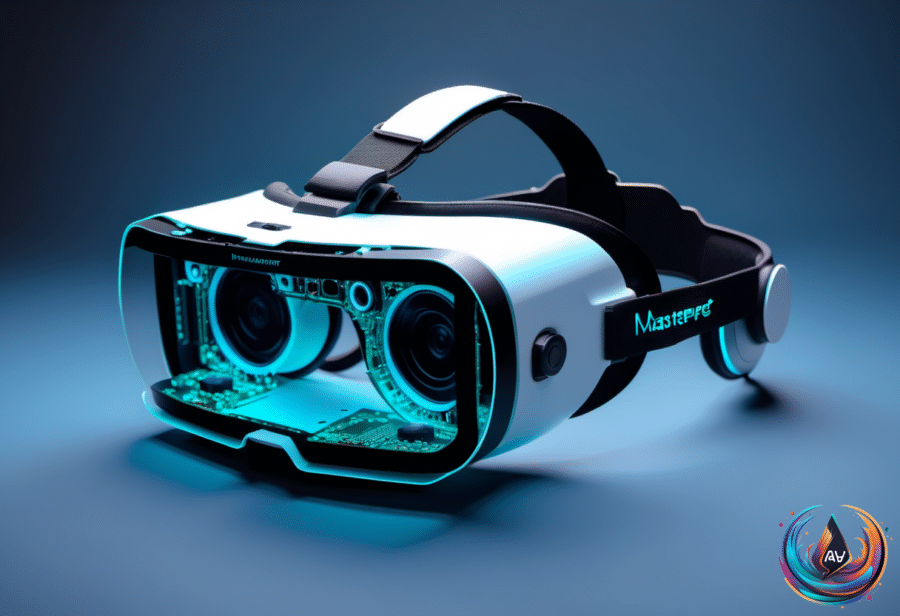
A DIY VR headset needs several key pieces of hardware: an Arduino, an inertial measurement unit, tiny displays, and a 3D printer. Most DIY headsets use shells printed from a 3D printer, which means the physical enclosure becomes part of the development process rather than a finished component pulled from a box.
The standard display option is a pair of 2.9-inch LCDs with a 1440×1440 resolution. The pair, including controllers, costs about $125. Those displays offer 150 nits of brightness and a contrast ratio of 600:1, giving builders a defined set of specifications to work around.
A sensor module handles another central task. A module containing an inertial measurement unit, or IMU, such as the GY-91, detects the headset’s position and costs around $5. The price is small compared with the displays, but the sensor remains one of the required pieces in the headset’s hardware.
Then comes the Arduino, the 3D-printed shell, the display controllers, and the code and configurations needed to connect everything. The component prices can make a DIY headset look affordable, but the total project also includes many hours of work. Building the shell, fitting the displays, adding the sensor module, and bringing the parts together all sit between the shopping list and a usable headset.
The Trade-Off Behind the Project
The strongest argument for DIY VR is control. Builders can study how a headset works, choose individual components, and take part in projects such as Relativty VR, OpenVR Arduino HMD, Project North Star, and SlimeVR. The process also shows why software support matters just as much as the device itself, as WMR users learned when Microsoft was nixing support.
The drawback is the amount of effort required. A headset made from 2.9-inch LCDs, a GY-91 sensor module, an Arduino, and a 3D-printed shell is not simply a cheaper version of a finished product. It is a project that asks the builder to handle both the physical construction and the development work.
That is why the $150 figure from CNCDan’s video is appealing, but it does not tell the whole story. The hardware can cost a couple hundred dollars, while the time needed to assemble and develop the headset becomes part of the real price.
DIY VR remains a niche movement, but it keeps the door open for people who want to understand the technology from the inside. Commercial VR efforts may be scaled back or shelved, yet new releases such as the Steam Frame and Pimax Dream Air show that development continues. For builders, the attraction is not only owning a headset. It is making one work.
Based on