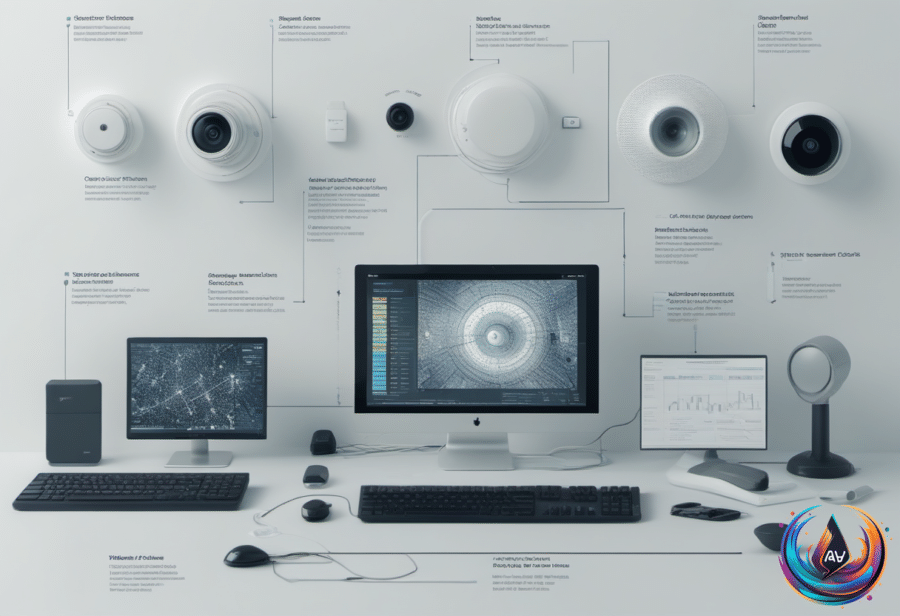
The workplace is becoming a data collection site. Employers are using CCTV, instant-message tracking, card-swipe records and keystroke monitoring to measure what workers do, where they go and how often they make mistakes. The systems now reach factories, offices, delivery work and retail, with employees often left unaware that monitoring is taking place.
Workers have always faced oversight from bosses, first through output targets and later through computer software labelled “bossware”. AI changes the scale of that surveillance by processing huge volumes of data and producing minute-by-minute accounts of activity and productivity. The old clipboard has acquired a data pipeline.
Microsoft Teams has become a common platform for workplace surveillance. Microsoft also rolled out a tool earlier this year that updates a worker’s location automatically to show they are in the office when they connect to workplace Wi-Fi.
Other examples are less subtle. A fast-food restaurant uses surveillance cameras to stop workers using their phones, while AI tracking at a supermarket led to a cashier receiving a final written warning after the system flagged too many errors.
The cashier’s reported error rate was 0.18%—roughly one mistake every 533 items scanned. That figure was enough to trigger a formal warning, turning a tiny number inside a vast stream of transactions into a workplace judgment.
Most workers do not know where monitoring happens
A Minderoo-commissioned poll in March 2026 found that 43% of Australians knew some employers use technology, including AI, to monitor workers. Only 9% knew monitoring was used in their own workplace.
That gap matters because surveillance cannot be meaningfully challenged when workers do not know it exists. Employees across the globe are finding themselves minutely monitored, often through systems that blend ordinary workplace software with tracking tools designed to record activity, location and performance.
Prof Edward Santow said transparency over workplace surveillance was “necessary but far from sufficient”. His position points to the weakness of a model that treats disclosure as the whole privacy solution: telling workers about an intrusive system does not make the system fair.
The Human Technology Institute, linked to the University of Technology Sydney, has called on the Australian federal government to build privacy protections into workplace laws. It also argues that employers should engage with employees about workplace surveillance and improve the quality of consent.
Australia’s workplace rules need a stronger test
Exemptions in the Privacy Act related to employee records, along with small-business exemptions, have allowed workplace surveillance to grow. The result is a patchwork where monitoring technology can advance faster than the rules governing its use.
The Fair Work Act should be overhauled to include a test asking whether the introduction of workplace monitoring was appropriate. Employers would also face a clearer obligation to consult workers rather than treating surveillance as a private management decision.
Prof Santow said lawmakers should “Make really clear that if you are going to be … monitoring [workers], it has to be fair and reasonable”. That standard would force employers to justify monitoring, not simply deploy it because the software exists.
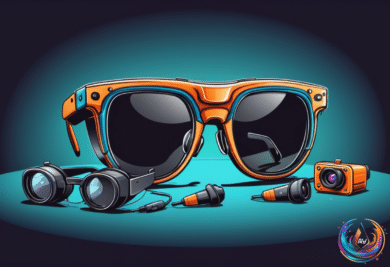
Smartglasses add another concern. A report warned that “Such concern is likely to be particularly strong in a workplace context, as smart glasses could be used to covertly surveil workers”. Their ability to capture information without obvious notice raises the prospect of privacy violations inside ordinary work routines.
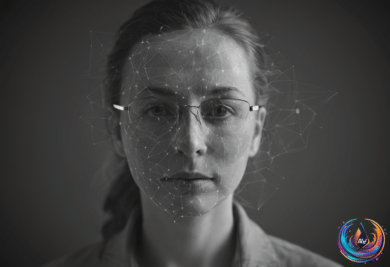
AI surveillance is not just another productivity dashboard. It can connect location data, messages, access records, keystrokes, camera footage and transaction errors into detailed accounts of individual workers. Without stronger privacy protections, the technology will keep expanding while consent remains a box workers barely see, let alone control.
Based on
- Calls to strengthen workplace privacy in Australia as employers turn to AI to track staff — theguardian.com
- Employees all over the world find themselves monitored by AI at work | Technology | The Guardian — theguardian.com
- Is your boss watching you? The rise of AI surveillance at work – video | Science | The Guardian — theguardian.com