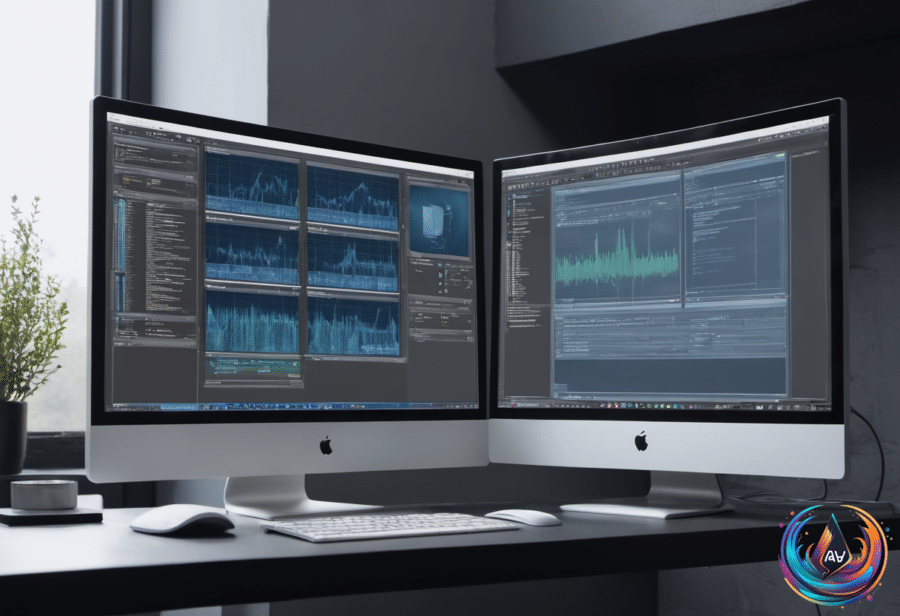
Adding a second monitor can change how a workspace feels and how tasks get done. Instead of keeping one application in view and switching to another, two screens create more room for the work in front of you.
That extra space can help with productivity, organization, and satisfaction across different tasks and professions. Christine Persaud explains that a dual-monitor setup gives people more ways to arrange their work without relying on a phone or tablet as a second screen.
More Space, Less Switching
The main benefit of two monitors is simple: they provide more real estate for applications. One screen can show the main task while the other keeps a related application visible, reducing the need to switch between them.
That arrangement can make it easier to work with documents, reference material, and other applications at the same time. Rather than moving back and forth between windows on one display, users can keep more of the information they need in view.
A user mentioned in the article captured one part of the experience with the comment, “Dragging and dropping documents is so easy.” The extra screen space makes that kind of movement more straightforward because applications can remain open beside each other.
This setup can also help people stay focused on the task in front of them. When the needed applications are already visible, there is less reason to keep opening and closing windows or searching for a document that was just being used.
A More Organized Workspace
A second monitor gives users another place to organize their work. One display can hold the primary application, while the other can show supporting material. This creates a clearer separation between the main task and the information connected to it.
That organization can also eliminate the need to print reference documents. Instead of placing paper beside the computer, users can keep the reference document on the second screen while working on the first. The information stays available without requiring a printed copy.
The benefit is not limited to one type of task. The verified information describes dual monitors as useful across various tasks and professions, which means the extra space can support different ways of working. The common advantage remains the same: more room to keep related applications visible and organized.
Upgrading to dual monitors can boost both productivity and satisfaction. The improvement comes from having a workspace that gives each part of the task a place, rather than forcing everything into one crowded display.
Why a Second Monitor Beats Using a Phone
People sometimes use phones or tablets as a second screen, but that can introduce mobile distractions. A dedicated monitor keeps the additional workspace separate from the devices people may use for other activities.
Using a second monitor helps avoid those distractions by removing the need to rely on a phone or tablet as the extra display. The result is a setup built around two computer screens, with the applications and documents arranged across them.
That distinction matters when the goal is organization. A second monitor adds space for work without turning a mobile device into part of the workspace. Users can keep applications visible on both screens while leaving their phones and tablets out of the process.
What MacBook Users Should Know
Most modern MacBooks can support at least two monitors. That gives MacBook users a way to build a dual-monitor setup without treating a laptop as the only screen in the workspace.
The point of the setup is not to make work more complicated. Two screens provide more room, keep applications available, reduce the need to switch between them, and can remove the need to print reference documents. They also offer an alternative to using a phone or tablet as a second display.
For anyone weighing the move from one monitor to two, the benefits come down to space and organization. A second screen can keep more of the work visible, make document movement easier, and support a more satisfying way to manage tasks.