Waymo, the leader in self-driving taxis, has paused robotaxi service in five U.S. cities. The reason? Their cars keep driving into floodwaters. This problem is more than a technical glitch. It exposes a bigger challenge for autonomous vehicles in tricky weather.
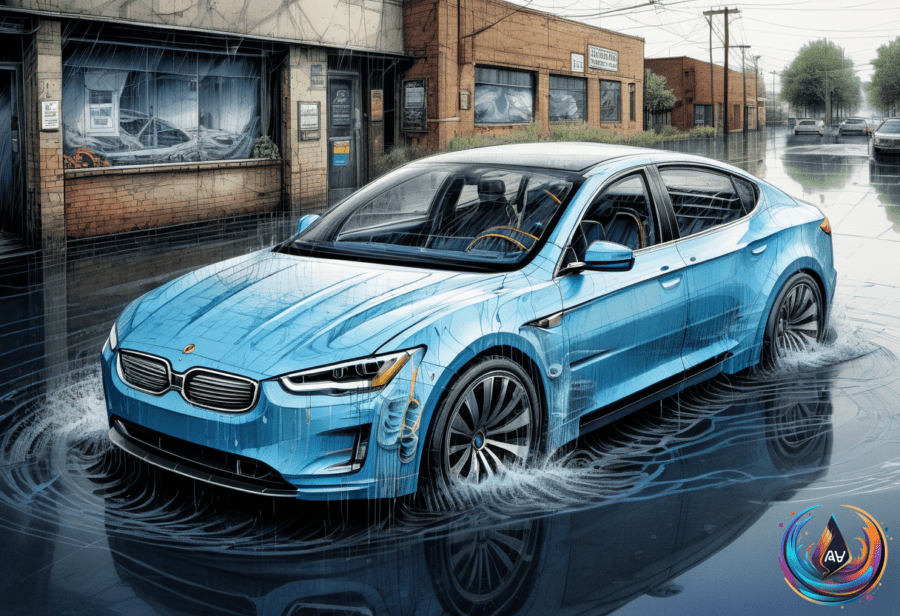
The trouble started in April when an empty Waymo robotaxi in San Antonio drove into a flooded road. The car slowed but didn’t stop and was swept into a creek. Luckily, no one was hurt. Still, it was a clear warning sign.
In response, Waymo recalled nearly 3,800 vehicles and pushed out a software update. The update aimed to restrict robotaxi operations during high flood risk. But less than two weeks later, another empty Waymo vehicle got stuck in floodwaters in Atlanta.
Waymo then paused services not just in San Antonio and Atlanta, but also in Austin, Dallas, and Houston. These are cities where storms and flooding frequently disrupt roads. At the same time, Waymo halted freeway rides in San Francisco, Los Angeles, Phoenix, and Miami. The reason? Their cars struggled navigating construction zones on highways.
Why Can’t Robotaxis Detect Flooded Roads?
Here’s the tricky part. Waymo’s robotaxis use some of the most advanced sensors available—LiDAR, radar, and cameras. These sensors map roads and spot obstacles in detail. Yet, standing water remains a blind spot.
Water reflects LiDAR pulses poorly, making it hard to tell how deep the water is. Cameras lose clarity during heavy rain, and radar struggles to measure water depth. So the vehicle might recognize there’s water but can’t judge if it’s safe to drive through.
More than sensing, the software’s decision-making is the core issue. In the San Antonio case, the car detected water and slowed down. But its system had no rule to stop completely if water was in the path. On a 40 mph road, it just kept going.
Why Interim Fixes Didn’t Work
The recent software update was meant as a stopgap, not a permanent fix. Waymo’s system relies partly on official weather alerts to decide when to restrict driving in flood zones. But storms can flood streets before weather services issue warnings.
That’s what happened in Atlanta. The flooding started before any flash flood warnings were issued. So the car’s software didn’t get a signal to avoid the water. This gap meant the patch wasn’t enough to prevent another robotaxi from getting stuck.
Experts say this shows a structural problem. Autonomous vehicles need to handle unexpected, fast-changing conditions on city streets. But official alerts and maps can’t keep up with sudden weather shifts. This mismatch creates real risks.
It also points to a tough question: how should robotaxis decide when it’s too risky to drive? Human drivers use judgment and experience. Robotaxis have rules and data, which don’t always cover every situation.
Why This Matters for Autonomous Vehicle Growth
Waymo is expanding fast. The company aims to offer a million paid rides per week by the end of 2026. It’s also testing robotaxis in London and plans to launch in cities like San Diego and Detroit.
But these flooding issues show that the technology isn’t ready to handle every road condition yet. Weather disruptions limit where and when robotaxis can operate safely. For passengers, that means no rides during storms in affected cities.
The problem also raises questions for regulators. They want to ensure autonomous vehicles don’t create new hazards during emergencies. So far, no federal rules require robotaxis to prove they can handle floods before launching service. That could change after these incidents.
Meanwhile, Waymo faces other challenges. It has had two other recalls since 2024. These involved collisions with stationary vehicles and barriers. There are also ongoing federal investigations into accidents and rule violations, like passing stopped school buses.
All these issues add pressure on Waymo to prove its robotaxis are safe in complex urban environments. Stopping service in multiple cities shows the company is cautious but highlights the limits of current systems.
For the wider autonomous vehicle industry, the lesson is clear. It’s not enough to drive well on clear days. Cars must handle messy, unpredictable conditions like floods and storms. Until then, robotaxis will face real barriers to becoming everyday urban transport.
Waymo says it’s working on better software safeguards. But no timeline exists for a permanent flood fix. Until then, riders in affected cities must wait for safer, more reliable robotaxi service.
Based on
- Waymo’s robotaxis keep driving into floods. The software patch didn’t work. Five cities are now shut down. — thenextweb.com
- Waymo Halts Service in Five Cities: Flood Patch Fails Weeks After Recall, Permanent Fix Missing — techtimes.com
- Waymo’s flood pause shows robotaxis still have a weather problem – Startup Fortune — startupfortune.com
- Waymo pauses robotaxis in four Texas cities and Atlanta over flooded road risk — bbc.com
- Waymo pauses robotaxi service in four cities over flooding risks | Developments Today — developmentstoday.com
- Waymo suspends robotaxi service to Atlanta and several Texas cities due to flooding — washingtontimes.com