A small device from Atlas wants to turn an invisible mental state into something you can track. The company’s first product, Atlas 1.0, is a wearable EEG designed to monitor how present a person is during everyday activities.
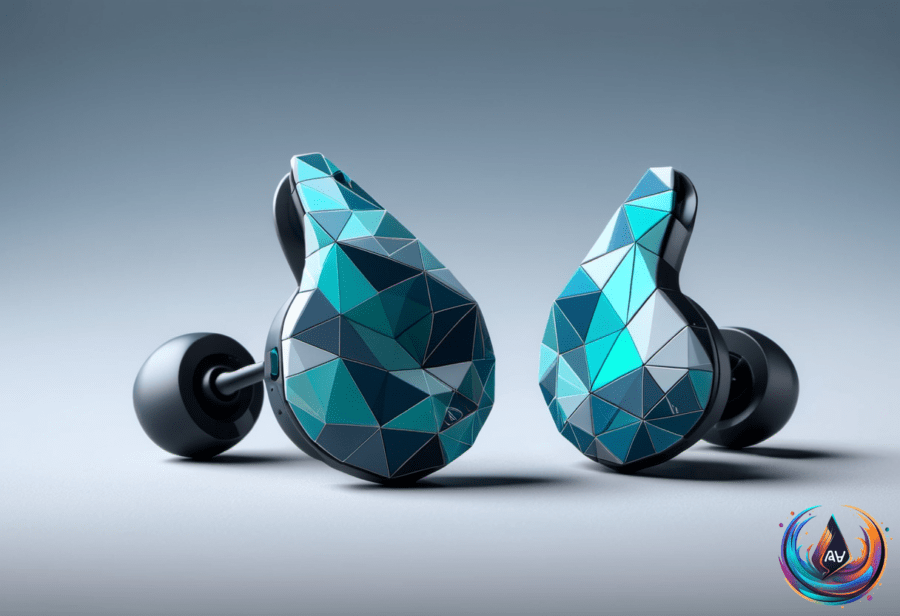
Atlas 1.0 sticks to the skin behind the ear with an adhesive pad. It records brain waves, electrodermal activity, movement and a voice signature, then uses an algorithm to quantify where a person’s cognitive and attentional resources are pointed.
That idea puts Atlas inside a much bigger shift. Brain-monitoring technology is moving into earbuds, headsets, wristbands and other devices that people may use as part of ordinary routines. The technology is not limited to laboratories or medical settings; in some workplaces, including the mining industry, employees already wear EEG devices that track fatigue levels.
Atlas turns attention into a personal metric
Atlas says its app can tell users how present they are, how well they perform under pressure and how well they recover from stress. Those measurements give the wearable a clear purpose: help users see changes in attention and stress through data gathered from the body.
The device does not capture speech. Instead, it records speaking activity and patterns to identify the state a person is in. That distinction matters because Atlas is measuring activity linked to communication without recording the words being spoken.
The company is launching pre-orders for Atlas 1.0 at a cost of $500, along with a $30 monthly subscription. The price places the wearable alongside other high-end personal technology, but its purpose is different from a standard fitness tracker. Rather than focusing on steps or heart rate, Atlas centers its product around brain activity, attention and recovery from stress.
Users would not need to wear a large headset to collect these measurements. Atlas puts the sensor behind the ear, where it can record several signals while remaining separate from the face and headgear used by traditional EEG systems.
Brain sensing is spreading across familiar devices
Atlas is not the only company connecting brain signals to consumer hardware. Neurable claims that its headphones, equipped with electroencephalography, or EEG, sensors can track fatigue and reduce burnout. The headphones frame brain monitoring as a way to understand when work is draining a person’s attention and energy.
NextSense takes a different approach with its Smartbuds. The earbuds pick up electrical signals from the brain at night to chart sleep, placing neural sensing inside a device people can use while they rest.
Apple filed a patent application in 2023 for AirPods with electrodes that would measure brain activity. A patent application does not describe a product launch, but it shows how brain sensing has reached the design work surrounding familiar consumer devices.
Meta launched a wristband in 2025 that reads neuroelectrical signals from muscle activity to control glasses. This system connects signals from the body with another device, allowing the wristband to serve as an input method for glasses.
Taken together, these products and plans show several paths for neural sensing. Atlas focuses on presence and attention, Neurable focuses on fatigue, NextSense focuses on sleep, Apple explored electrodes in AirPods, and Meta uses signals from muscle activity to control glasses.
A new generation grows up with neurotechnology
Neural sensing is being integrated into consumer devices used by millions. That changes the place of neurotechnology in daily life, because people may encounter it through products that feel as familiar as headphones, earbuds or a wristband.
Many of today’s young people will be the first to grow up with neurotechnology as part of daily life. Daniel Cooper has proposed the term “neurotechnological natives” for people growing up with these tools.
The phrase points to a change in experience, not just a change in hardware. For users of Atlas, the question is how present they are. For Neurable users, it is fatigue and burnout. For NextSense users, it is sleep. Meta’s wristband focuses on control, while Apple’s patent application points toward brain activity becoming part of the input systems built into familiar devices.
That range also shows why these products may attract attention. They promise to make private signals visible through apps, headphones, earbuds and wearables. Atlas is making that promise concrete with a product that measures brain waves, electrodermal activity, movement and voice patterns from behind the ear.
The next stage of this shift will depend on how people use those measurements in daily routines and workplaces. For now, Atlas’ pre-order launch adds another device to a growing group of products that bring brain and body signals closer to ordinary consumer technology.
Based on