Creative work is losing ground. The United States has lost more than 200,000 jobs in creative industries during the four years since the first version of ChatGPT became available to the public. Almost 50,000 of those jobs disappeared in the last year alone.
The figures come from the US Bureau of Labor Statistics, whose data has faced repeated attacks since Donald Trump returned to office. Even with that political noise surrounding the numbers, the direction is clear: job growth across media and creative industries has remained negative since 2023.
Digital Arts Bear the Heaviest Losses
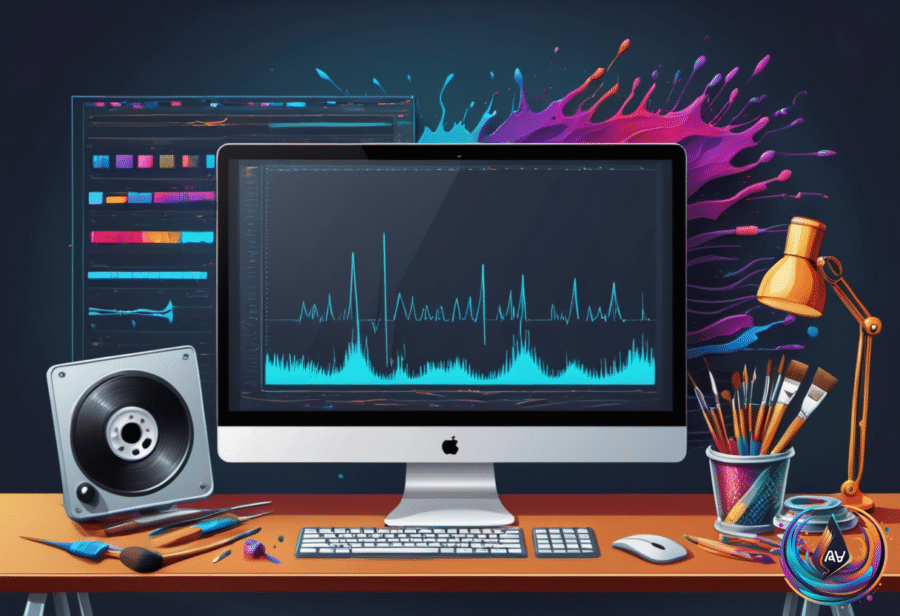
The steepest losses hit digital arts, including graphic design, broadcasting, publishing, films, and sound recording. These fields sit close to the kind of work generative AI tools can produce, making them vulnerable to companies seeking an accessible alternative to human design, video, literary, and audio work.
That alternative does not need a hiring process, a résumé, or a chair in the office. It needs a prompt and a budget line, which is a grimly efficient replacement strategy for anyone whose job can be reduced to an output file.
The decline has not reached every corner of the arts in the same way. Some sections of the live arts sector, including museum work and performing arts, have grown, while employment connected to an independent artist has decreased compared with previous years.
That split matters because “creative industries” covers work with very different conditions and demands. Growth in one live arts category does not offset losses across digital production, publishing, broadcasting, film, and sound recording—and it does not make the wider labor market easier to enter.
A Longer Downturn With Few Modern Comparisons
Data journalist Joseph Politano described the period as an unusually severe stretch for media employment. “That makes for one of the worst stretches for media employment in modern US history, with similar job loss intensity and duration occurring only during the major economic recessions of 2001 and 2008.”
The comparison places the current decline beyond a short hiring pause. Creative and media employment has stayed negative since 2023, and the losses have continued into the latest year measured by the Bureau of Labor Statistics.
AI is not operating in isolation. The rise of these tools has collided with the decay of the labor economy, making it harder to secure employment in creative industries even as the technology offers employers a cheaper way to produce familiar forms of work.
That combination creates a tighter market for human workers. Designers, writers, video workers, audio workers, and others now face competition from tools that provide an accessible alternative while employers confront a labor economy already losing strength.
The result is not a clean story about technology replacing every creative job. Museum work and performing arts have grown, and some live arts categories have resisted the broader decline. But more than 200,000 lost jobs over four years, including almost 50,000 in the last year, describe a labor market under serious pressure.
Creative industries have spent years treating AI as a production tool, a threat, or both. The employment data supplies the less glamorous answer: whichever label companies prefer, human workers are already absorbing the cost.
Based on