Anthropic has opened a public beta for self-hosted environments of Claude Code. This new option lets organizations run Claude Code on their own servers. It’s available for those on Claude Team and Enterprise plans.
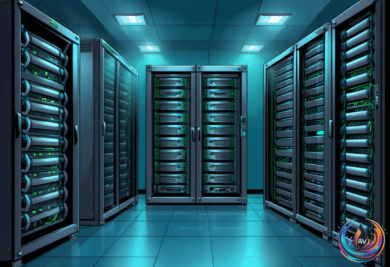
Running Claude Code inside a company’s network means the AI works next to internal tools and security systems. All repository checkouts, build artifacts, secrets, and modified files stay on the organization’s machines. This keeps sensitive data under tight control.
However, conversation data like prompts, responses, and tool results still go to Anthropic’s API for model inference. Anthropic also stores session transcripts. This setup balances control and AI power.
George Jacob, a senior engineering manager, praised the new environment. He said it lets teams integrate Claude Code into their workflows while keeping security intact. Claude can generate pull requests, fix continuous integration issues, and respond to developer events. The compute scales with demand.
Kenton Varda, a principal engineer, added that security teams can confidently let non-technical users run code without worry. The self-hosted option reduces risks while boosting productivity.
Anthropic’s Push into Custom AI Chips
On August 5, 2026, Anthropic confirmed it is building an in-house silicon team to design AI chips specifically for Claude. This move aims to make Claude faster and more efficient at the scale customers need.
Anthropic plans a multi-chip approach. They will use hardware from AWS, Google, Nvidia, and AMD alongside their own custom designs. This hybrid strategy lets them optimize performance without relying solely on third parties.
The company is hiring engineers experienced in chip design and verification. One job listing highlights the need for someone who has shipped silicon and can make crucial decisions independently. Salaries range from $320,000 to $485,000, reflecting the importance of this role.
Anthropic is also exploring Samsung as a manufacturing partner. The goal is to co-design both hardware and AI models, tailoring each to work perfectly together.
What’s Happening in AI Chip Development
Anthropic’s chip plans come amid a wave of AI companies building custom silicon. Meta is set to launch its Muse Spark 1.2 chip in September. According to Meta’s AI chief Alexandr Wang, Muse Code is one of the most affordable coding agents worldwide.
OpenAI released its Jalapeo semiconductor, developed with Broadcom. Mistral is also considering its own silicon. This trend shows how AI developers want tighter control over hardware to boost speed and efficiency.
Anthropic’s focus on chips signals a serious push to compete in this growing field. Custom chips could help Claude stand out by delivering faster code generation and AI assistance.
For users, the self-hosted Claude Code means more control and security while still tapping into Anthropic’s AI power. Meanwhile, the new silicon team could deliver big performance gains in the near future.
Based on
- Claude Code Sessions Can Now Run on Infrastructure Your Team Controls — unite.ai
- It’s official: Anthropic is building an in-house chip team for Claude | Business Insider Africa — africa.businessinsider.com
- Cloudflare open-sources vibe-coding platform for people who aren’t coders – Ars Technica — arstechnica.com
- Anthropic will design its own hardware to power Claude – Ars Technica — arstechnica.com
- Meta to take on Anthropic’s Claude and OpenAI’s Codex with new coding agent | Business Insider Africa — africa.businessinsider.com