Gidi Littwin left Apple in 2020. He helped build FaceID and worked on hand-tracking for Vision Pro. Now, he’s back with a startup called Hemispheric.
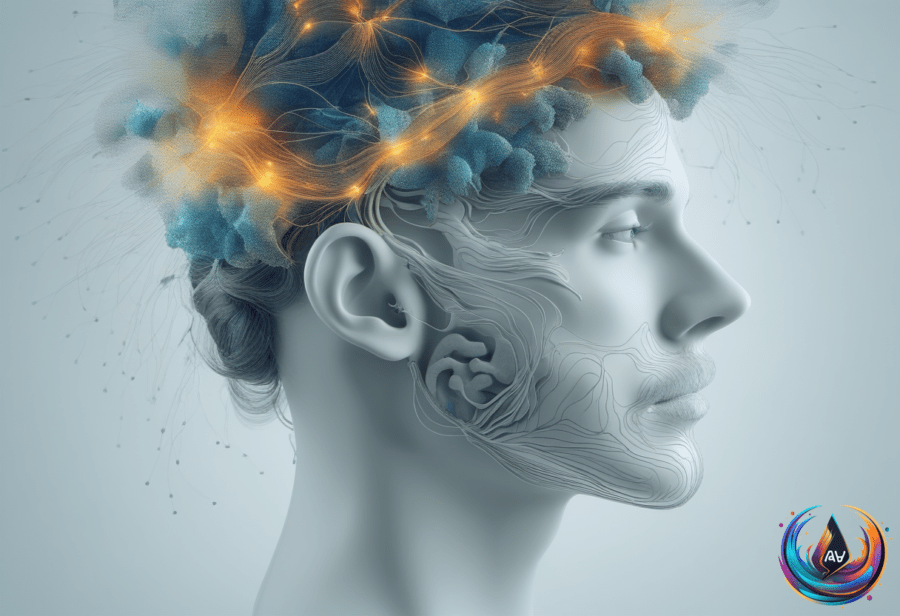
Hemispheric has raised $52 million to build brain diagnostic tools powered by AI. The company has collected data on 100,000 people’s brains through activities that feel like games but actually stimulate different brain regions. That effort generated 250,000 hours of brain data from paid volunteers.
The startup’s goal is to turn brain health checks into something as routine as a blood test. Patients wear a lightweight EEG headset for about 15 minutes during diagnosis. Hemispheric is even developing its own brain scanners to gather data on millions more people.
Co-founder Hagai Lalazar says their device will be cheap enough for mental health clinics, hospitals, and psychologists. Littwin and Lalazar plan to submit Hemispheric’s first product to the FDA early next year, aiming for a public rollout later in 2027.
Littwin admits the approach mirrors the massive data collection behind Apple’s projects. “We knew we had to build something very similar at Hemispheric, and we have,” he said.
This isn’t the first AI brain experiment. Joseph Weizenbaum created ELIZA in the 1960s, the earliest chatbot, which he described as concealing its lack of understanding. Hemispheric’s effort is the opposite—collecting real brain data, not just simulating conversation.
Meanwhile, Apple pushed iOS 27 into public beta. It’s the first time their revamped Siri is widely available. And in a notable move, Apple sued OpenAI and its hardware chief last Friday.
Hemispheric’s leap from biometric security to brain scans shows a new frontier: treating our minds like software interfaces. The tech world watches as AI tools move from unlocking phones to unlocking brains.
The question now: can a startup replicate Apple’s hardware and data scale in healthcare? Their $52 million bankroll and 100,000 brains later, the bet is on.
Keep in mind—brain data isn’t just another dataset. It’s deeply personal and complex. Hemispheric plans to make sense of it with AI. If they pull it off, mental health diagnostics may never look the same.
Based on
- An Inventor of Apple’s FaceID Wants to Analyze Your Brain’s Health With AI — wired.com
- Siri AI Is Becoming Apple’s Everything Tool | WIRED — wired.com
- I Built a Self-Improving AI, and So Can You | WIRED — wired.com
- The Chatbot That Foretold Why People Share Secrets With ChatGPT | WIRED — wired.com
- Apple Is Suing OpenAI for Allegedly Stealing Hardware Secrets | WIRED — wired.com