The world feels unsafe to many children. Climate change, pandemics, conflicts, economic instability, and political division are not distant headlines to them; they form one continuous source of anxiety. Children are experiencing symptoms of depression and anxiety at higher rates than earlier generations, while support networks are trying to give that fear somewhere to go.
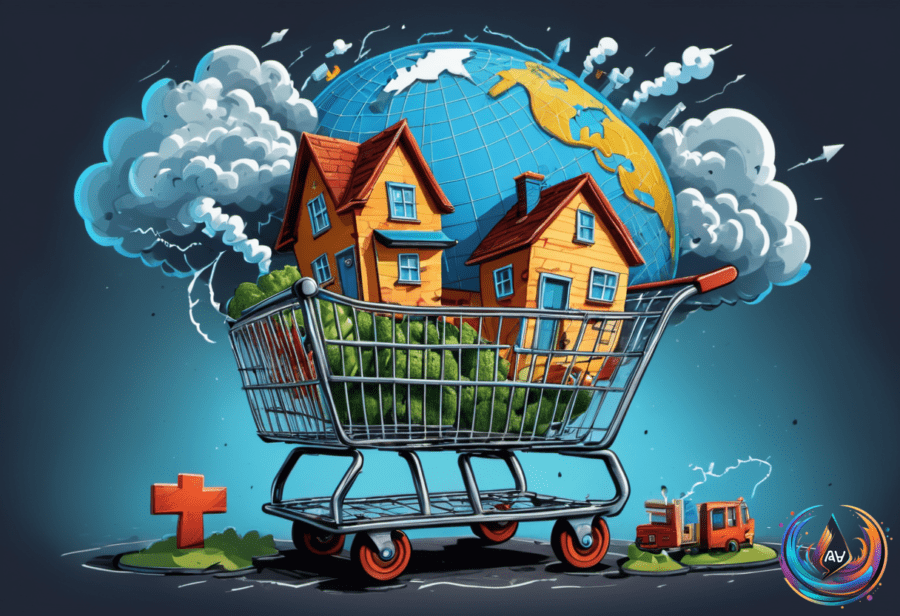
The pressure comes from every direction. The planet is warming, a pandemic has occurred and could happen again, conflicts keep erupting, and nuclear weapons are present; housing is expensive, groceries and gas cost more, healthcare costs are rising, jobs are hard to get, and concern about AI taking jobs is spreading alongside increasing authoritarianism and partisanship.
That combination has produced what researchers and support groups describe as a wider crisis rather than a single problem. Online networks such as Force of Nature address climate as one facet of a troubled world, connecting children and young people who are dealing with several threats at once. Thousands have joined support networks like Force of Nature, which spun up its Becoming a Force of Nature online group therapy program in 2021.
Climate anxiety becomes a wider diagnosis
A 2021 study measured climate anxiety among children and young people in 10 countries, and its findings offered little comfort. Fifty-six percent of 10,000 respondents agreed with the statement, “Humanity is doomed.” That is not a fringe response or a bad afternoon with the news—it is a large share of a very large group.
The American Psychological Association calls eco-anxiety a “chronic fear of environmental doom,” according to Liza Jachens. The phrase captures the constant threat, but Jachens also describes something deeper: “What people describe is closer to grief. A real sense of loss—not just fear of what is coming but mourning for what has already gone.”
Lise Van Susteren has called the experience “pre-traumatic” stress, and she sees it as a kind of anticipatory trauma. The distinction matters because children are not only reacting to events that have already happened; they are trying to live with the expectation that more crises are coming.
Pim Sullivan-Tailyour described one moment that shaped this recognition: “They were just quarried out, like half the mountain just dug out and disappeared, and so there was just this huge orange face.” Later, the shared experience offered a different kind of discovery: “I realized that I wasn’t alone.”
Support networks make isolation less powerful
That sense of not being alone is the central promise of networks built around shared fear. Force of Nature’s group therapy program gives young people a place to discuss climate anxiety while acknowledging the other pressures surrounding it, from pandemics and conflict to rising costs and uncertain work.
The need for those spaces is reflected in a 2025 study from Polish researchers that attempted to define “polycrisis syndrome” in young people. Using established scales to assess reactions to crises, the study found that more than 60% of young individuals reported problems with emotional regulation.
Emotional regulation is a dry research term for a messy daily reality: fear, grief, anger, and uncertainty arriving together. When multiple crises overlap, a support network cannot make the planet cooler, housing cheaper, or conflicts disappear, but it can help children process what those pressures are doing to them.
Kids Help Phone also sits within this expanding support landscape. An article about increased demand for its services was published August 14, 2026, followed by a Kids Help Phone CEO interview published August 16, 2026. The dates point to a need that support organizations are already having to meet, not a hypothetical concern waiting for a future crisis.
Support networks are not a cure for the polycrisis. They are an answer to one part of it—the isolation that turns shared danger into private distress. As children face a world marked by climate change, pandemics, conflict, economic instability, political division, and anxiety about AI taking jobs, giving them language, connection, and room to process the damage is no small intervention.
Based on