Europe faced a brutal heatwave in June 2026 that pushed temperatures to new highs. France recorded its hottest day since 1947, with temperatures soaring over 44 °C (111 °F). This extreme heat did more than bake streets and close schools; it strained the power system and forced power plants to cut back or shut down.
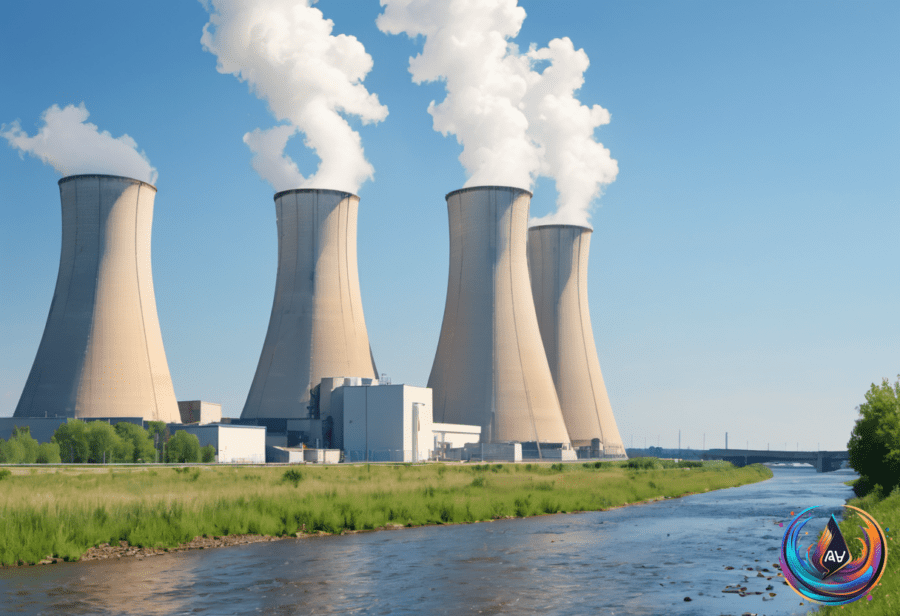
One major impact was on France’s nuclear power plants. Unit two at the Golfech Nuclear Power Plant in southern France shut down when the river water used for cooling became too warm. The Garonne River temperature hit 28 °C, breaching French environmental rules that limit how warm water returned to rivers can be. When limits are exceeded, reactors must reduce output or shut down completely to protect the ecosystem.
EDF, which operates all of France’s nuclear reactors, cut output at several plants. At the Bugey plant, power dropped from 900 MW to 180 MW. Nogent-sur-Seine reduced output from 1,300 MW to 400 MW. Overall, about 4.1 gigawatts of nuclear power was reduced during the heatwave. This amounted to a 7% drop in nuclear output during a similar heat event in July 2025. EDF said these cuts won’t stop France from meeting electricity demand.
But nuclear plants weren’t the only energy sources affected. Hydropower supplies in Europe fell 13% in the first five months of 2025 due to high temperatures. In the UK, five gas plants reported output cuts totaling about 2.5 gigawatts because of heat. These disruptions show how fragile the energy system becomes when water and air temperatures rise.
Heatwave’s Wider Toll on France
The heatwave’s effects went beyond power supply. In France, more than 106,000 customers lost electricity late on a Tuesday in June 2026. About 68,000 households faced outages. Some of the country’s most famous landmarks closed early. The Eiffel Tower shut down early on both Tuesday and Wednesday. The Louvre Museum closed early from Wednesday to Saturday, citing its historic building’s vulnerability to heat.
Schools also closed. About 1,800 schools shut their doors on a hot Tuesday to protect students. The heat proved deadly for many. Since June 18, 2026, 40 people, many of them youths, drowned in France. Temperatures reached 39 °C to 41 °C in 58 departments, with some areas expected to top 44 °C.
Looking Ahead: Climate and Energy Challenges
Experts say this heatwave is a sign of things to come. Europe has warmed at more than twice the global rate since the 1980s. Scientists warn heatwaves like this will become more frequent, longer, and stronger. The current event in France was driven by an Omega-block weather pattern, trapping hot air over the region.
Alessandro Armenia, an energy analyst, said, “Climate change is demonstrating how extreme heat can be as disruptive as the price spikes from cold weather and low renewables witnessed during winter.” EDF is aware of these risks. It shared a climate-change vulnerability assessment and plans upgrades costing about €600 million annually over 15 years. These upgrades cover nuclear plants and hydropower to prevent future disruptions.
Energy demand for cooling is growing fast worldwide. By 2050, cooling needs could double compared to 2023 levels. The UK Met Office issued a red warning for extreme heat, with temperatures expected to reach 38-40 °C in central and southern England. Spain, Italy, Poland, Croatia, and Hungary also issued heat alerts, with some places expecting temperatures above 40 °C. This broad heatwave shows how many countries face similar challenges.
France’s Prime Minister, Sébastien Lecornu, called the heatwave a serious test. People like John Beeler described life in the heat, saying, “We’re suffocating in the streets, we’re suffocating in the subway and we’re even suffocating in our rental.” Gin Dujardin, working in construction, added, “It’s very, very hard because the zinc is very hot. The welds don’t hold. It’s Dubai temperatures. It’s impossible.”
These stories show how heat affects daily life and critical infrastructure. The power plants, landmarks, schools, and people all struggle to cope. The heatwave is a clear reminder that energy systems and communities must adapt fast to a warming world.
Based on
- Europe’s extreme heat is shutting down power plants — technologyreview.com
- Europe’s Heatwave Reduces French Nuclear Output, Boosts Power Prices — globalbankingandfinance.com
- Major power outage in France as Europe wilts under record heat | Khaleej Times — khaleejtimes.com
- Europe heatwave: France records hottest day since 1947; power outages hit thousands – The Times of India — timesofindia.indiatimes.com
- France outage leaves 68,000 homes without power as record heatwave spreads north – France 24 — france24.com