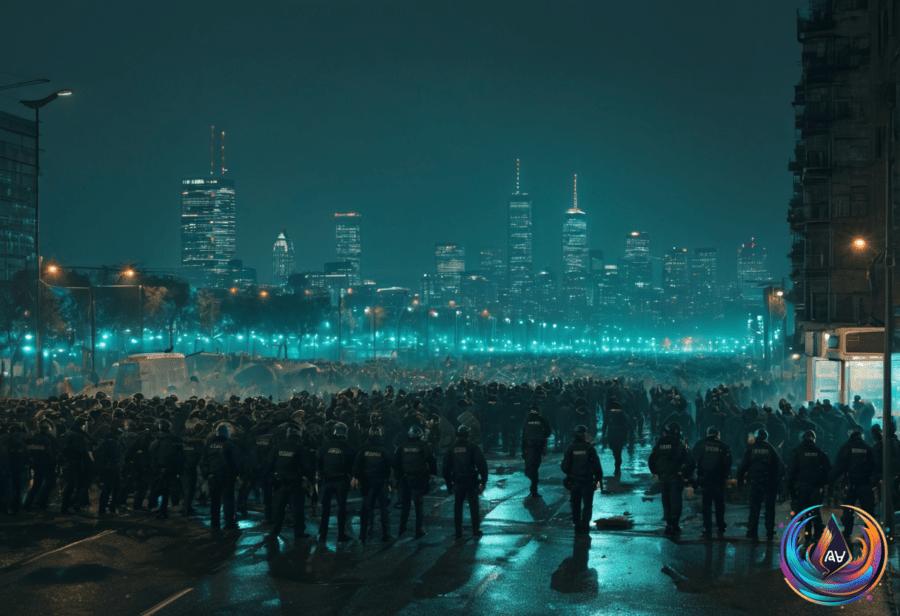
Protests surged worldwide in July 2026, revealing sharp political and social tensions. India bore the brunt, with nationwide demonstrations led by the Gen Z-driven Cockroach Janta Party (CJP).
The movement forced Education Minister Dharmendra Pradhan to resign. Authorities arrested over 100 protesters across the country. Yet, responses varied by state. Bihar and Assam released detainees and dropped charges. Meanwhile, West Bengal doubled down, filing new charges and arresting Muslims for “offensive posters” and criticism of Prime Minister Modi.
Delhi police cracked down on social media posts deemed “objectionable” toward Modi. The Chief Justice of India, Surya Kant, publicly condemned police for using excessive force against students. The judiciary’s rare intervention highlights growing concerns over civil rights.
Across continents, London protesters marched from Hyde Park to the Pakistan High Commission. Their cause—support for residents of Pakistani-administered Kashmir—underscores long-standing regional conflicts spilling into global activism.
Political shifts also shaped Latin America in July. Keiko Fujimori assumed Peru’s presidency amid ongoing regional volatility. Argentina’s President Javier Milei escalated tensions by calling Brazil’s Luiz Inácio Lula da Silva a “thief” and a “delinquent,” signaling worsening diplomatic relations.
Environmental issues surfaced as Mexico announced plans to tackle sargassum growth in the Caribbean. The seaweed bloom has quadrupled this year, threatening tourism and marine life. Meanwhile, Liberia destroyed 4.2 metric tonnes of cocaine, a stark reminder of ongoing drug enforcement challenges.
Mid-2026 reveals a world where protests, political upheaval, and environmental crises collide. From India’s streets to Latin America’s power corridors, power struggles intensify. Governments clamp down on dissent while regional rivalries flare. The digital realm, especially social media, remains a battleground for free speech and control.
This volatile mix marks 2026 as a year where political and environmental pressures test global stability. The response will shape governance, human rights, and regional alliances for years ahead.
Based on
- What does protest look like in 2026? | Fiona Katauskas — theguardian.com
- The top photos of the day by AP photojournalists | The Independent — independent.co.uk
- Could India’s ‘cockroach’ protest movement flare up again? | The Independent — independent.co.uk
- London protesters march through streets in solidarity with Azad Kashmir | Elections | Al Jazeera — aljazeera.com
- Peru swears in new president and other top photos from Latin America and the Caribbean | The Independent — independent.co.uk