Wearable tech is changing fast. This year, new AI-powered devices promise to make our lives easier and more connected. From smart wristbands to AI glasses, these gadgets aim to blend into daily life.
Amazon’s Bee wearable is one such device. It sits on your wrist and listens to your conversations. It records, transcribes, and summarizes what you say throughout the day. The goal is to help you stay organized and remember details without lifting a finger.
Bee pairs with your phone and calendar. It can remind you about appointments and tasks. When recording, a green light indicates it’s active, so you always know when it’s listening. After conversations, it creates summaries and full transcripts for easy review.
This sounds useful, especially for busy professionals. The device works well during meetings or phone calls, breaking down key points and action items. However, Bee’s transcripts can miss some parts, and you usually have to name speakers yourself.
Privacy is a big concern with Bee. It collects a lot of personal data, including your location, contacts, and health stats if you allow it. All this information is stored in the cloud, which makes some users uneasy about constant recording.
Dedicated AI Note-Taking Devices Gain Ground
Phones and apps can record and transcribe meetings, but they don’t cover all scenarios. That’s where dedicated devices come in. Plaud Note Pro is a small gadget designed to capture conversations whether on a call, around a meeting table, or in noisy environments.
Plaid Note Pro uses multiple microphones and AI to pick up voices clearly, even from a distance. It filters background noise and can automatically switch between phone call and room conversation modes. After recording, it delivers transcripts, speaker labels, summaries, and action items.
In practical tests, Plaud Note Pro caught details that manual note-takers missed. It handled multi-speaker meetings well and even extracted more action items than a colleague’s notes. However, in louder places like coffee shops, its accuracy dropped.
The device requires a monthly subscription for AI transcription beyond a free limit. It processes data in the cloud, which might be a drawback for privacy-conscious users. Still, for professionals juggling many meetings and calls, it offers a clear advantage over phone apps and conference software.
Google and Amazon Push AI Glasses and Voice Assistants
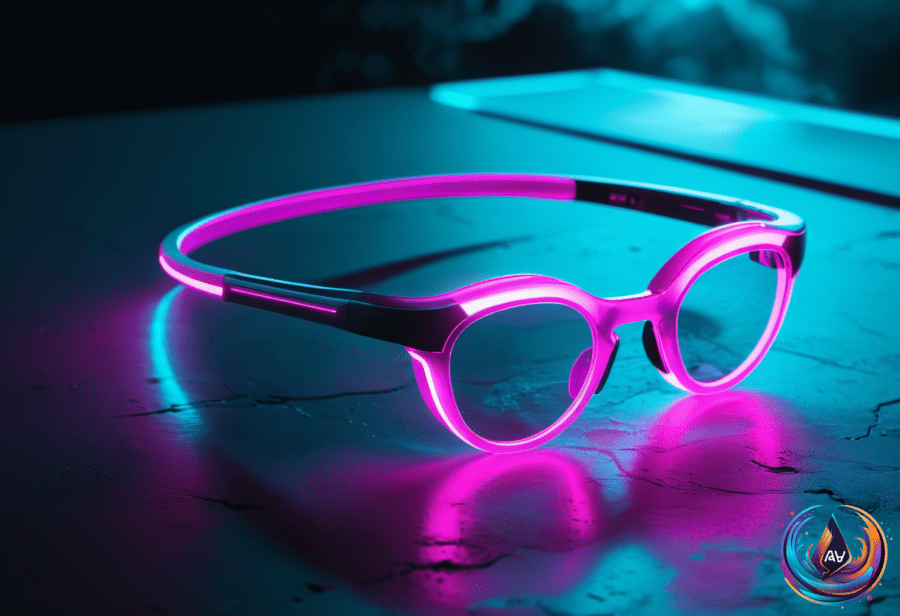
AI glasses are another frontier. Google showed prototypes with an in-lens display and voice assistant called Gemini. These glasses overlay useful info like weather, directions, and live translations right in your field of view.
The glasses connect to your phone and offer hands-free control of apps, music, and camera. They can translate spoken language instantly, showing text on the lens while speaking the translation aloud. This feature alone could help travelers and multilingual users.
Early versions have some bugs. The display can cause eye strain, and photo and video functions are still basic. Sound quality is okay but not a replacement for earbuds. Still, the potential is huge for combining augmented reality and AI in daily wearables.
Amazon’s Alexa+ is a smart assistant upgrade powered by generative AI. It understands natural language better than before and learns your preferences over time. Alexa+ can control smart home devices, handle complex commands, and pull info from emails, documents, and photos.
It struggles with local business info and lacks support for popular work calendars, but it improves with use. Its ability to extract and organize information from PDFs and photos can save time, making it a strong home assistant choice.
Why Smart Glasses Still Face Challenges
Despite advances, smart glasses haven’t won over everyone. Some find them bulky or unnecessary, especially if they don’t already wear glasses. For others, the idea of wearing tech on their face feels intrusive or uncomfortable.
Google’s collaboration with brands like Warby Parker and Samsung aims to improve style and comfort. But some early testers report eye strain and fuzziness in the display. The technology is promising but not yet perfect for everyday wear.
Still, smart glasses offer features phones can’t match. Real-time translation, heads-up directions, and quick access to AI assistants could make them indispensable with a few more iterations.
The wearable tech landscape is evolving rapidly. AI is no longer confined to apps on our phones. It’s moving onto our wrists, into our ears, and even onto our faces. These devices promise to save time, boost productivity, and keep us more connected.
But they also raise questions about privacy and convenience. As these gadgets improve, users will need to balance the benefits with how much they want to share and carry every day.
Based on
- I tried Amazon’s Bee wearable and am both intrigued and slightly creeped out — techcrunch.com
- Plaud Note Pro Review: Are There Dedicated AI Note-Taking Devices, and Is This One Worth It? | The AI Journal — aijourn.com
- Amazon Alexa+ Review – The Ambient — the-ambient.com
- I’m not buying Google’s ‘Intelligent Eyewear’ — here’s why they’re dead on arrival for me | Tom’s Guide — tomsguide.com
- We tried Google’s AI glasses and they’re almost there | TechCrunch – Entertainment Buzz — entertainment.runfyers.com