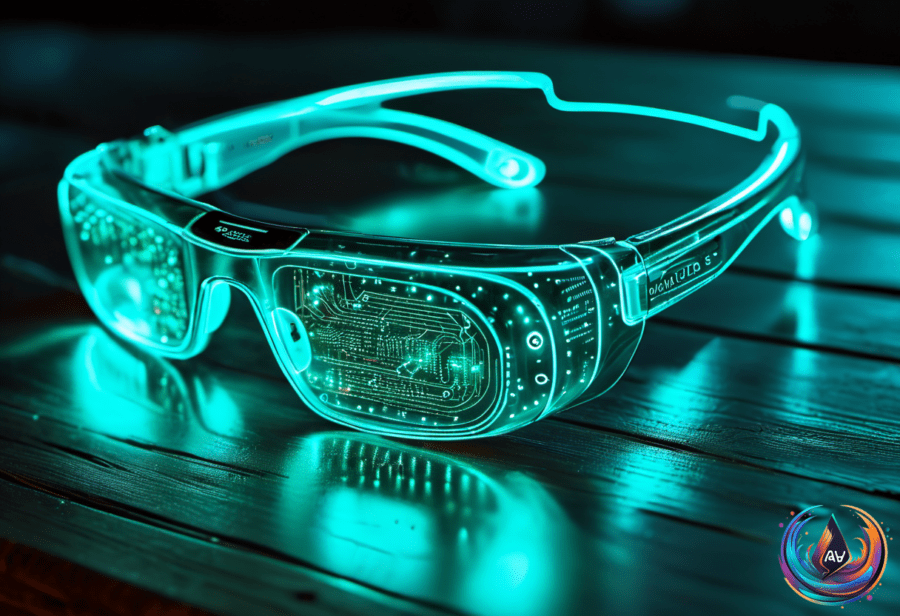
Meta has quietly added face recognition technology to the app that powers its smart glasses. The software, called NameTag, can scan faces seen through the glasses’ camera. It creates digital profiles and alerts the wearer if it recognizes someone.
The feature hasn’t been turned on yet. Meta says it is still exploring whether to use it. But the face-recognition code is already inside the app, which millions of people have downloaded. That means parts of the system are in the hands of users, even if inactive.
NameTag works by detecting faces in view, cropping them, and turning them into biometric data called faceprints. These faceprints can then be matched against others stored locally on the user’s phone. If a match happens, the wearer could get a notification with the person’s identity.
This raises big privacy questions. Unlike a phone camera, smart glasses sit on your face and capture scenes naturally. People nearby might be scanned without knowing it. This could happen in public places like coffee shops, schools, or events.
From Government Tech to Consumer Devices
Meta licensed this face recognition technology from Rank One Computing, a company that builds tools for law enforcement and the military. Rank One’s software is used by the US Marshals Service and the Navy’s criminal investigative unit. It can identify faces from long distances, even up to a kilometer away.
This connection shows how military and police surveillance tech is moving into consumer products. Meta’s smart glasses would use the same kind of software designed to track suspects and prisoners. It blurs the line between public safety tools and everyday gadgets.
Rank One’s leadership includes former FBI and CIA officials. Their experience helped shape the algorithms Meta is testing. The company went public on the stock market earlier this year and continues to grow its government clientele.
Privacy Concerns and Legal Risks
Meta’s history with facial recognition has been rocky. The company shut down its Facebook tagging feature in 2021 after legal battles. It agreed to pay $650 million over lawsuits in Illinois and another $1.4 billion in Texas for collecting biometric data without consent.
Privacy advocates warn that wearable tech like smart glasses creates new risks. Collecting biometric data from people who never agreed to it could violate laws. It’s unclear how Meta would get consent from those scanned in public.
The Electronic Frontier Foundation called the technology a potential “distributed surveillance machine.” Even if the face recognition runs locally on the user’s phone, it still means individuals can be identified without their knowledge.
Meta says it has no plans to activate NameTag yet. The company promises a “thoughtful approach” if it decides to release the feature. But finding this code already in a widely downloaded app has shaken trust. People want to know why such a powerful tool was added quietly.
Face recognition is sensitive because it deals with biometric data, which many privacy laws protect. For example, California’s Consumer Privacy Act gives people rights to know what data is collected and to opt out. South Africa’s privacy law also restricts biometric data use.
The debate isn’t just about Meta. It’s about the future of wearable AI devices. If glasses can identify strangers automatically, that changes how public anonymity works. It could help with accessibility or memory support. But it could also be abused by stalkers or marketers.
The key question is consent. Should one person’s glasses be able to identify another person in public? That’s a question regulators and companies will face soon as AI devices become more common.
Based on
- Meta Tapped a Pentagon Supplier to Prototype Face Recognition for Its Glasses — wired.com
- Meta secretly integrated facial recognition software with smart glasses, report says | The Star — thestar.com.my
- Report: Meta secretly added facial recognition to its smart glasses — tech.yahoo.com
- Meta’s Smart Glasses Face-Recognition Code Raises Alarm – Memeburn — memeburn.com
- Meta Quietly Added Facial-Recognition Tech to Smart Glasses — chasetactical.com