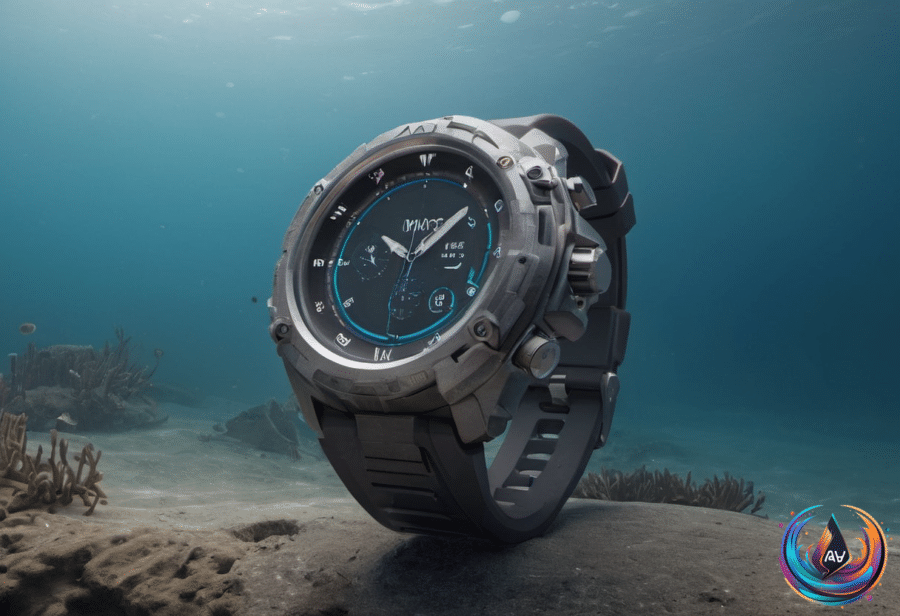
The Fenix 9 is expensive. Garmin’s new smartwatch starts at $999.99 for the 43mm model and rises to $1,099.99 for the 51mm version, putting the headline price at about $1,000 before size enters the conversation.
That makes the Fenix 8 look more interesting than a previous-generation device usually does. During the week the Fenix 9 launched, the 43mm Fenix 8 was available for $850, creating a $149.99 gap between the discounted older model and the new entry-level watch.
The Fenix 8 was the previous generation model, but its AMOLED panel remains bright and vibrant. Garmin says the Fenix 9’s AMOLED display is “twice as bright” as the Fenix 8’s, and the Fenix 9 Pro version reaches up to 3,000 nits of brightness.
A brighter screen with familiar durability
The display is the clearest visual change in the Fenix 9 lineup. Garmin’s brightness claim gives the new model a straightforward advantage over the Fenix 8, even though the older watch does not arrive with a dull screen by any reasonable description.
The Fenix 8 offered a stainless steel bezel with a glass lens on its base configuration. Both watches are rated for diving up to 40 meters, so the Fenix 9 does not change that particular limit.
Garmin has also increased the Fenix 9’s internal capacity to 64GB, doubling the Fenix 8’s storage. The new model includes 50 percent more RAM than the Fenix 8, while Garmin says panning is up to 30 percent faster on the Fenix 9.
Those upgrades matter most to people who use the watch for maps, media, and several activities rather than treating it as a clock with notifications. The Fenix 9 can store up to 7,000 songs from Spotify, Deezer, or Amazon Music accounts — enough storage to make a phone feel optional during a long outing.
More tools, not a new category
The Fenix 9 includes a built-in LED flashlight, onboard speaker and microphone, ECG capability, Garmin Pay, music streaming, and daily metrics. Garmin has also introduced Garmin Epic, a feature that groups multiple activities into a shareable story in Garmin Connect.
That list makes the Fenix 9 a broader device than a simple fitness tracker, but the central pitch remains familiar: a rugged smartwatch with health tools, activity tracking, navigation-related performance, and stored music. The hardware gains are clear; the price makes the upgrade decision less automatic.
At $850 during the Fenix 9 launch week, the Fenix 8 offered a bright AMOLED display, a stainless steel bezel with a glass lens on its base configuration, and the same 40-meter diving rating. The Fenix 9 counters with a brighter display, 64GB of capacity, 50 percent more RAM, faster panning, and its newer features.
That is a credible upgrade list, but it is not a quiet one for the wallet. The Fenix 9 starts at $999.99, and the 51mm version reaches $1,099.99 — because apparently a smartwatch can now cost like a small appliance and still expect you to charge it.
The wider smartwatch market offers a different angle through Samsung’s Galaxy Watch Ultra 2, a companion to Samsung’s latest smartphones. It features advanced health monitoring, specialized training tools, and seamless Galaxy device connectivity.
The Galaxy Watch Ultra 2 also offers personalization through various case colors and band styles. That gives Samsung’s watch a different emphasis from Garmin’s Fenix line, pairing health and training features with Galaxy device connectivity and visible customization.
Garmin’s Fenix 9 is therefore an upgrade built around display brightness, storage, memory, performance, and added hardware. The Fenix 8 remains the value question — especially at $850 — while the Fenix 9 reserves its strongest case for buyers who want the latest screen, more capacity, and Garmin’s newest activity-sharing feature.
Based on