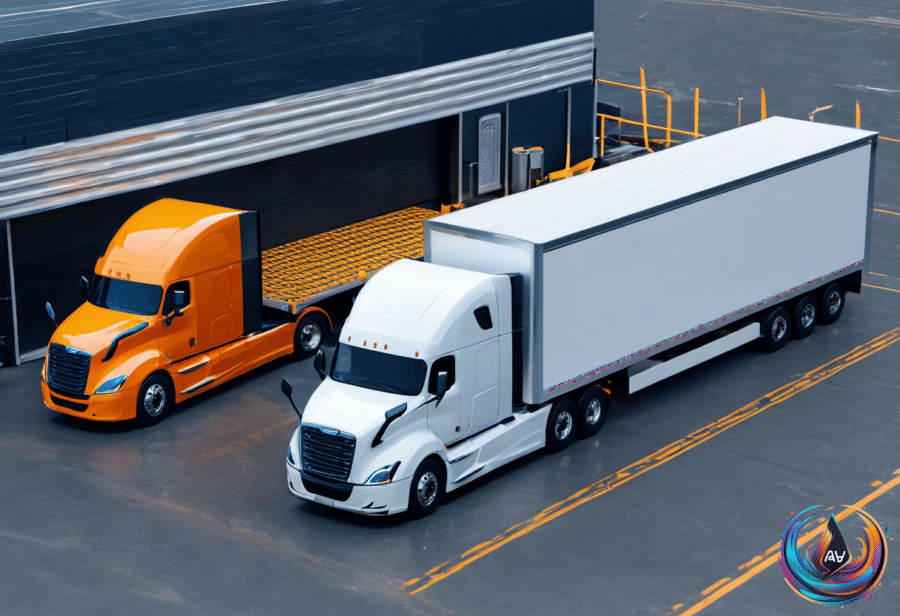
The Tesla Semi has finally reached customers. First deliveries began on September 25, 2026, after nearly a decade of development, delays, and one very long wait for a truck that was first revealed as a concept in late 2017.
Tesla officially entered high-volume production in April 2026, with plans to build 50,000 Semis each year at its factory in Sparks, Nevada. The factory can produce roughly 1,000 trucks per week, giving Tesla a serious manufacturing target rather than another impressive slide deck.
Tesla revealed the Semi’s final production design in February 2026, and the truck appeared at the IAA Transportation auto show in Germany on September 15. Tesla also delivered a handful of trucks to PepsiCo in 2022, but the current rollout marks the start of customer deliveries at production scale.
Range and cost claims meet commercial reality
The long-range Semi will travel an estimated 500 miles per charge, while the standard version will get an estimated 325 miles. The truck uses an 822 kWh battery pack built with Tesla’s in-house 4680 battery cells, and the most capable version is expected to travel 500 miles or more on one charge.
Tesla says the Semi can carry heavy loads over long distances while keeping recharge manageable. At a Megawatt charger, the truck can charge from 3 percent to 60 percent in about 30 minutes — a useful figure for fleets that measure downtime in money rather than optimism.
The long-range version is rumored to cost $290,000. Tesla claims the Semi will cost less to run than a diesel truck because electricity costs less and the vehicle has fewer parts to maintain.
Lars Moravy, Tesla’s vice president of Vehicle Engineering, framed the operating-cost argument around price stability: “Volatility in the oil market and the diesel market goes up and down. But typically, we’ve seen in the last 20 years, electricity is pretty flat. And wouldn’t it be great to have a flat cost in your shipping rates?”
The timing gives that argument extra weight. US diesel prices hit record highs this month, up nearly double from last year, while heavy trucks account for 7 percent of US greenhouse gas emissions and 16 percent of emissions despite making up 1 percent of vehicles on the road.
The charging network is the harder promise
A truck that can travel 500 miles is useful only when the charging network can keep pace with its routes. Tesla is building Megacharger stations capable of delivering up to 1.2 megawatts of power per stall, and plans to have more than 30 Semi charging stations with over 200 megawatt-capable posts by the end of the year.
That network must support a vehicle designed to carry heavy loads over long distances, not a passenger car making occasional stops. Tesla’s plan links the Semi’s range, battery capacity, and recharge time to an infrastructure buildout that now matters as much as the truck itself.
A coalition of shippers including Microsoft and PepsiCo has ordered 2,500 trucks. DHL, WattEV, ABF, Einride, IMC, and OK Produce are also listed as customers, giving Tesla a customer base beyond the early PepsiCo deliveries.
Tesla says its existing fleet has demonstrated more than 98 percent uptime. The company is also building a dedicated Semi service operation, mobile service, remote diagnostics, and over-the-air updates — a support system intended to keep commercial trucks moving when a missed delivery can cost more than a software bug.
Elon Musk described the vehicle in familiar Tesla language: “It’s going to be, really, a driver’s truck. It’s like a sports car in truck form.” He also called it “a revolutionary truck” and said, in a pre-taped message, “The semi will be the funnest truck to drive.”
The less theatrical claim comes from Tesla executives: “The Semi will help fleet owners lower their total cost of ownership, reduce emissions, and benefit from greater reliability.” That is the standard fleets will apply, regardless of how entertaining the truck is from the driver’s seat.
Bill Gates has been mentioned as a doubter of electric big rigs, while Tesla’s executives are betting that operating costs, charging speed, and uptime will settle the argument. The Semi now has customers, production capacity, and a charging plan. The next test is whether all three can expand together.
Based on
- Tesla’s big electric truck faces an even bigger infrastructure challenge — arstechnica.com
- Nearly a Decade Later, the Electric Tesla Semi Is Here | WIRED — wired.com
- Here’s the Tesla Semi… again | The Verge — theverge.com
- Tesla finally moves to electrify trucking after a decade of work and delays | TechCrunch — techcrunch.com