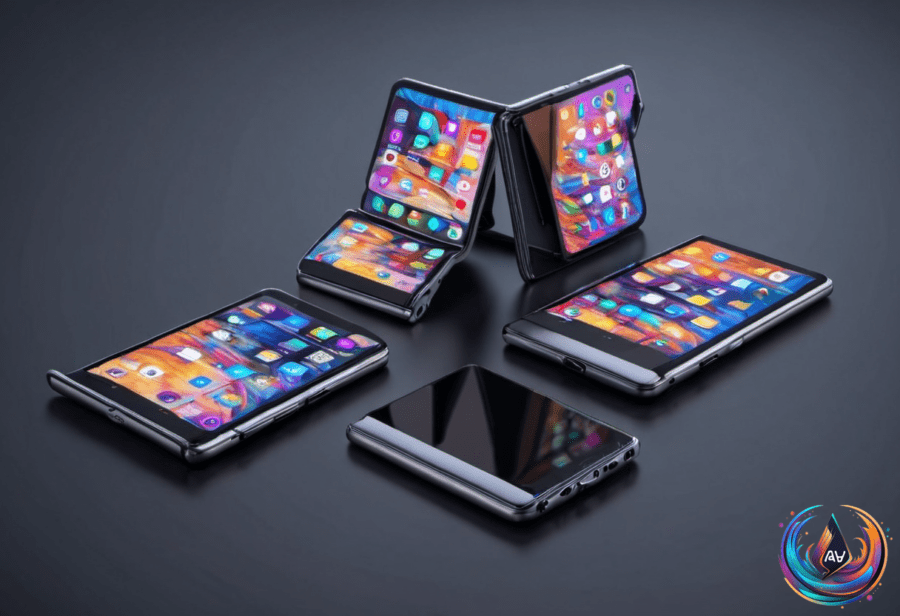
The foldable phone race is changing shape. Google’s Pixel 11 Pro Fold and Samsung’s Galaxy Z Fold 8 family push toward wider screens, slimmer hardware, brighter displays, and camera systems built for serious photography.
Google announced the Pixel 11 Pro Fold on Aug. 12, 2026, while Samsung released the Galaxy Z Fold 8 and Galaxy Z Fold 8 Ultra on Aug. 7, 2026. That timing sets up a direct clash between two companies taking different paths to the same goal: making a folded phone feel like a full-size device.
Two Different Design Paths Meet on Eight Inches
Samsung opted for a wide aspect ratio for the first time with the Galaxy Z Fold 8. Google began its foldable run with a passport-style fold before moving to a narrow aspect ratio, so the Pixel 11 Pro Fold represents another step in that design journey.
The Pixel 11 Pro Fold features a 6.5-inch Super Actua external display and an 8-inch Super Actua internal display. Both displays use a 120Hz refresh rate, giving the phone a strong foundation for smooth scrolling and motion. The display reaches 3,600 nits peak brightness.
The Galaxy Z Fold 8 also uses 120Hz displays and reaches 3,000 nits peak brightness. The Galaxy Z Fold 8 Ultra matches the Pixel’s screen dimensions with a 6.5-inch cover display and an 8-inch unfolded display, creating a close contest for users who want a tablet-sized workspace in a pocketable design.
Samsung’s Ultra model brings a striking physical advantage. It measures 8.9mm when folded and 4.1mm when unfolded, making it the slimmest folding phone Samsung has produced. At 215g, it also gives Samsung a clear set of numbers to emphasize as foldables become thinner and easier to carry.
The design still carries a familiar outline. “The Z Fold 8 Ultra retains the boxy shape of Samsung’s previous foldables,” Dominic Preston said, while Kate Mendonca described the Galaxy Z Fold 8 Ultra as looking like last year’s model, apart from the colour finishes.
Battery, Cameras, and the Ultra Advantage
Google gives the Pixel 11 Pro Fold a 4,750mAh battery. The Galaxy Z Fold 8 has a slightly larger 4,800mAh battery, while the Galaxy Z Fold 8 Ultra raises the figure to 5,000mAh.
Samsung also packs the Ultra model with a triple rear camera system led by a 200MP main sensor. Its camera hardware includes a 50MP ultra-wide camera and a 10MP telephoto camera with 3x zoom, while 8K video capability adds another major feature for recording.
The regular Galaxy Z Fold 8 carries a triple rear camera system, and the dedicated telephoto camera from the Z Fold 7 has been removed. The listed camera figures for the Galaxy Z Fold 8 include a 50MP main camera, a 50MP ultra-wide camera, and a 10MP telephoto camera with 3x zoom.
Google takes a different approach with the Pixel 11 Pro Fold. Its camera setup includes a 48-megapixel main sensor, a 10.5MP ultra-wide camera, and a 10.8MP telephoto camera with 5x optical zoom. That longer optical zoom gives the Pixel a clear specification advantage over the Galaxy Z Fold 8 Ultra’s 3x zoom.
Camera numbers do not tell the entire story, but they show how each company is positioning its foldable. Samsung emphasizes a 200MP main camera and 8K video on the Ultra, while Google highlights 5x optical zoom on the Pixel 11 Pro Fold.
Samsung’s Ultra Ambition Comes With a Bigger Price
The Galaxy Z Fold 8 Ultra starts at $2,699 CAD and lists at £1,899 on Samsung.com. Its price has increased by £100 from last year, placing the Ultra model firmly at the premium end of Samsung’s foldable range.
Samsung’s first foldable with the Ultra name is not simply a souped-up version of the regular Galaxy Z Fold 8, as Dominic Preston put it. The model has its own combination of dimensions, cameras, battery capacity, software, and pricing.
The Galaxy Z Fold 8 Ultra runs on Android 17, but it does not support the Samsung S Pen. That trade-off matters for buyers who want a large internal display for stylus use, since the huge unfolded screen does not come with S Pen compatibility.
Samsung’s hardware updates reach beyond the headline specifications. “Samsung has improved the displays, battery, charging, cameras, chipset, and crease,” David Phelan said. He also described the crease as less evident compared with some folding phones, adding that the new technology making it less visible is “hugely welcome.”
Kate Mendonca called the Galaxy Z Fold 8 Ultra “very highly specced” and said it comes with useful upgrades compared with the class of 2025. Those upgrades now face Google’s Pixel 11 Pro Fold, which answers with bright Super Actua displays, a 4,750mAh battery, and a 5x telephoto camera.
The choice is taking shape around priorities. Google’s foldable brings the brighter listed display and longer optical zoom, while Samsung’s Ultra pushes a 200MP main camera, 8K video, a 5,000mAh battery, and a 4.1mm unfolded profile. With both families moving toward wide, 8-inch-class screens, the next phase of foldables will be decided by how much premium hardware buyers want to carry—and pay for.
Based on
- Pixel 11 Pro Fold vs Galaxy Z Fold 8: How Google and Samsung’s foldables stack up — engadget.com
- Google Pixel 11 Pro Fold Hands-On: Stagnating Instead Of Innovating — engadget.com
- Samsung’s Z Fold 8 Ultra is more of the same, but better than ever | The Verge — theverge.com
- Galaxy Z Fold8 Ultra review: What I learned after weeks of daily use | National Post — nationalpost.com
- Samsung Galaxy Z Fold 8 Ultra, reviewed by a tech critic | The Independent — independent.co.uk