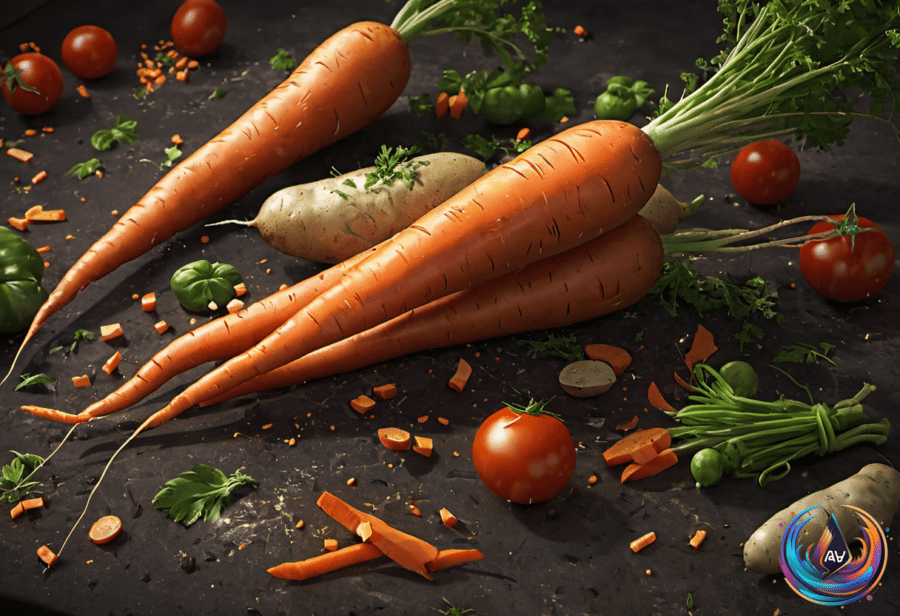
What happens when a carrot becomes a militant leader, a potato explodes, and violent messages hide inside absurd TikTok clips? Researchers from the Global Network on Extremism and Technology warn that AI-generated fruit and vegetable videos may help promote extremism and radicalisation among young people.
The clips look strange, repetitive, and easy to dismiss as nonsense. Yet some bypass TikTok’s moderation policies for extreme violent content, carry messages linked to extremist organisations, and turn shock into an endless stream of entertainment. That combination gives surreal humour a darker direction.
From Absurd Vegetables to Graphic Violence
Some AI-generated scenes show animated foods using guns and axes to kill enemies. The violence can begin as absurdist drama, but researchers warn about its escalation into explicitly graphic content. That shift matters because repeated exposure can normalise cruelty, emotional numbness, and a culture built around algorithmically amplified shock.
GNET analysts describe the trend in direct terms: “Violence-based AI slops reinforce a fascination with violence for violence’s sake, thereby allowing the so-called online ‘ode to violence’ to progressively gain ground among young people within the digital space.”
The videos are built for the mechanics of endless scrolling. “Scenes with AI fruit and vegetables are simple and highly repetitive. They require no cognitive effort, provide constant rewards through unexpected scenes, and are perfect for endless scrolling,” GNET analysts said.
That formula can make violent material easy to consume and easy to repeat. The transition from surreal humour to graphic AI gore reflects a broader dynamic of online radicalisation, where familiar jokes and strange images can lay the basis for further violence-based audiovisual material.
Extremist Messages Hidden Inside the Chaos
Researchers found that some videos convey messages connected to extreme right “accelerationism,” “nihilistic violence extremism,” and the Islamic State (IS) group. Some clips also link to specific criminal groups, pushing the content beyond random fictional violence and toward identifiable extremist references.
One example replicates content from official IS videos, showing a carrot that makes a potato explode. Another features a “Carrot Khalifah” telling his army, “the Carrot State will rise again.” Two IS posts included hashtags often used by the terrorist group’s supporters.
Another account shares violent fruit and vegetable AI content while referencing the neo-Nazi terrorist organisation Atomwaffen Division and the nihilistic violence subculture No Lives Matter. Comments include statements of extreme right-wing ideology, including “potato supremacy,” a phrase referring to white supremacy.
One post shows an AI image of a tomato saying, “No vegetables matter.” The playful appearance does not erase the meaning attached to the message. Instead, the food imagery can create a strange layer of distance, allowing extremist themes to travel through content that looks ridiculous before its words and symbols receive closer attention.
Why AI Makes the Problem Harder to Contain
AI-generative platforms are crucial tools for creating viral content, including violent and extremist material. Food violence-based content empowered by AI is easily accessible, putting minors and youth at risk of inadvertently consuming graphic or disturbing material.
Experts said, “Food violence-based material empowered by AI is easily accessible, putting minors and youth at risk of inadvertently consuming graphic or disturbing content.” The warning focuses on access as well as intent: young viewers may encounter disturbing scenes through a feed built to deliver constant unexpected rewards.
TikTok’s moderation policies are designed to ban extreme violent content, yet these clips can bypass those rules. Their cartoon-like subjects, surreal plots, and repetitive structure may make them harder to identify as extremist or graphic material, even when the videos carry messages tied to violence-based movements.
The concern is not only one shocking clip. A steady flow of simple AI scenes can reinforce fascination with violence for its own sake, while the platform’s engagement system supplies more opportunities for the material to spread. That online path can move from absurd images to explicit gore and then toward extremist messaging.
GNET urges TikTok to develop countermeasures that limit this AI-generated content. The challenge reaches beyond removing individual videos because the same tools can create new violent scenes, new characters, and new variations built around familiar extremist themes.
The next stage of this fight will depend on whether platforms can recognise the meaning inside synthetic entertainment before it reaches young viewers. A carrot, potato, or tomato may look harmless on its own, but AI gives these objects a fast-moving role in a wider culture of shock, cruelty, and online radicalisation.
Based on