GameCube discs looked tiny beside standard DVDs, but that size was never a random design choice. Nintendo used proprietary miniDVDs to fight piracy, reduce hardware size, and load games faster, creating a console with a different identity from the PlayStation 2 and Xbox.
That decision also shaped the GameCube’s limits, sales, and long afterlife in emulation. Now, as Gecko challenges Dolphin and Nintendo Switch 2 carries some GameCube games through its Nintendo Classics lineup, those small discs still sit at the center of a much bigger technology story.
A Small Disc With Several Jobs
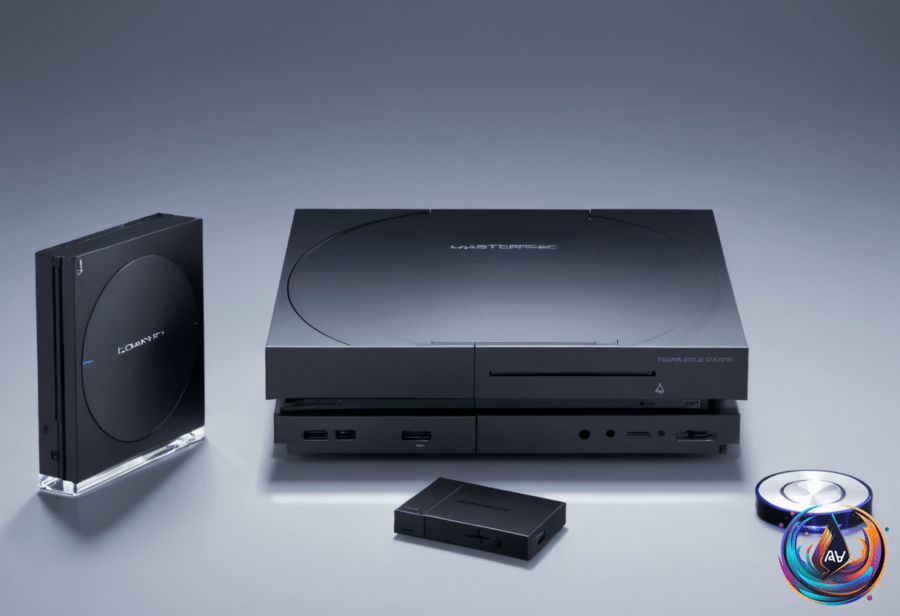
GameCube discs measured 3.15 inches in diameter, compared with 4.17 inches for standard DVDs. Each disc held just under 1.5GB, giving Nintendo a compact format that stood apart from the larger discs used by competing consoles.
Nintendo’s choice of miniDVDs served as an anti-piracy decision. Back in the early 2000s, there were basically no standard PC DVD burners that could read the company’s proprietary disc technology, making it harder to copy GameCube games through ordinary computer hardware.
The small format also brought design benefits. The GameCube could use a smaller optical drive, which helped Nintendo create a more compact console. The machine weighed 5.7 pounds, while the Xbox weighed 8.8 pounds, giving the GameCube a clear hardware advantage in size and weight.
Speed was another benefit. The GameCube’s tiny discs could be loaded more quickly than PlayStation 2 DVDs, giving Nintendo a way to turn a smaller storage format into a practical feature. The tradeoff was capacity: just under 1.5GB left less room than a standard DVD.
The Price Was Right, But Sales Still Fell Behind
The GameCube launched in late 2001 at $200, undercutting both the PlayStation 2 and Xbox, which launched at $300. Nintendo had a lower-priced console with a smaller design and a disc format built around piracy resistance and fast loading.
Those advantages did not translate into the same sales totals as the leading competitors. Nintendo sold 21.74 million GameCube units in total, while Xbox sold 24 million. The PlayStation 2 reached 160 million units.
The numbers show why the disc decision remains interesting. Nintendo created a distinct machine with a lower launch price and compact hardware, yet the GameCube still finished behind both competing consoles in total sales. The small discs may have helped shape the system’s design and security, but they also formed part of a platform that never matched PlayStation 2’s reach.
That history now connects to Nintendo Switch 2, whose Nintendo Classics lineup includes some GameCube games. The original discs were designed for a specific console, but the games continue to move into newer ways of playing.
Gecko Opens a New Chapter for GameCube Emulation
For many years, Dolphin has been the only major GameCube emulator. Its compatibility list currently shows zero percent of GameCube titles as completely broken, setting a high bar for any new project that wants to challenge it.
A new emulator called Gecko has been developed by GitHub user Layle. Gecko is designed for homebrew development and reverse engineering, and it aims to provide an authentic experience rather than simply reproduce a familiar list of playable games.
The project’s current expectations are more cautious than Dolphin’s compatibility record. The Gecko GitHub states that most games will likely have visual glitches or be outright broken, while Layle’s own answer on one point is direct: “Probably none.”
That gap creates a clear contrast. Dolphin focuses on broad GameCube and Wii emulation with a compatibility list showing no completely broken GameCube titles, while Gecko enters with goals tied to homebrew development, reverse engineering, and authenticity.
Emulators are not illegal to use; only the software used to acquire games can be problematic. The legal way to use ROMs is to develop your own or dump physical games you own. The Dolphin FAQ puts that process in blunt terms: “You don’t. Buy games and dump them with a Wii.”
The Legal Pressure Around Emulation
Nintendo’s history with proprietary GameCube discs reflects a long effort to control how its games are copied and distributed. That pressure continues in modern emulation, where technical projects can attract legal attention even when the emulator itself is not illegal to use.
Nintendo filed a $2.4 million lawsuit against the creator of Yuzu in 2024. In 2025, Nintendo served Valve with a DMCA notice regarding Dolphin’s release on Steam. Those actions show how the debate around emulation reaches beyond software design and into distribution, platform access, and the way players acquire games.
GameCube’s 3.15-inch discs began as a tightly controlled hardware decision. Today, Dolphin and Gecko show how that same platform can live through software, research, and preservation efforts, while Nintendo Switch 2 brings some GameCube games to a new generation. The discs were small, but the questions they created about design, access, and ownership are still expanding.
Based on