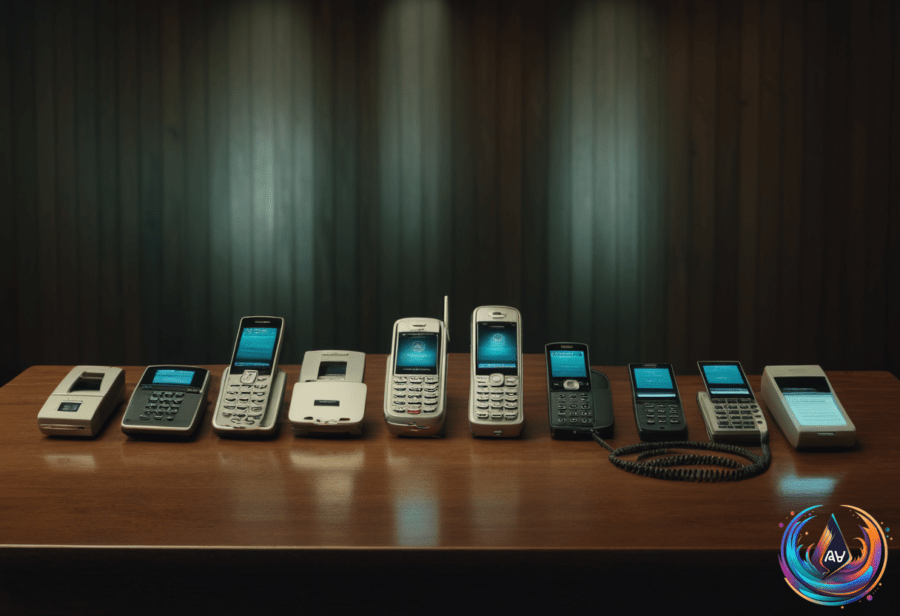
The Federal Communications Commission (FCC) is planning a big change for how we get phone plans. Their goal is to stop robocalls, but the plan could kill anonymous phone use. That means no more burner phones without sharing your ID.
The FCC wants phone providers to collect and keep personal details from every customer. This includes your name, home address, a government-issued ID number, and even an alternate phone number. Phone companies would have to verify this info before activating a new or renewed phone service.
Right now, providers are supposed to check new customers to prevent illegal calls. But the FCC thinks these rules aren’t strong enough. They want to make sure companies can trace every phone line to a real person. This is meant to stop scammers and robocallers from hiding behind fake or anonymous accounts.
But this plan could cause problems for people who rely on burner phones. These phones are often used by people who need privacy or safety. Victims of domestic violence, whistleblowers, and low-income users might lose a simple way to protect themselves. If you can’t get a phone without giving your ID, some people could be left exposed.
Privacy experts warn that this move resembles what authoritarian countries do when they force citizens to register phones. The U.S. has never required this level of tracking before. Now, the FCC is pushing for it with the goal of fighting robocalls. But privacy comes with a cost.
What This Means for Privacy and Surveillance
Collecting more personal data means phone companies become gatekeepers of your identity. They would also face heavy fines if illegal calls come from their networks. The FCC proposes fines of $2,500 per illegal call. That’s a huge risk for providers, so they will likely crack down hard on customer behavior.
That pressure could lead to more invasive monitoring of phone users. Companies might flag suspicious activity and report it to law enforcement. This raises questions about how much privacy consumers will really have. It also creates new risks for people who need to stay anonymous for safety or freedom of speech.
The FCC acknowledges there are privacy concerns with collecting so much personal info. They have asked the public how to reduce those risks. But critics say privacy protections may not be strong enough to stop abuse. Once this data is collected, it could be vulnerable to hacks or misuse.
Why Burner Phones Matter Beyond Robocalls
Burner phones are not just a tool for criminals. Many people use them to protect their identity. Journalists use them to communicate safely. Activists rely on them to avoid surveillance. People without stable housing use them to maintain contact with employers or support networks.
Making it harder to get a burner phone could silence these voices. It also puts pressure on marginalized groups who face more privacy threats. Anonymity on phones helps keep some level of personal freedom in a world that constantly watches.
There’s also a practical side. Some people want a second phone for work or different parts of their life. Requiring full ID for every phone might just make managing multiple lines impossible for many.
In the end, the FCC’s fight against robocalls could change how we all use phones. The question is whether stopping annoying calls is worth losing anonymity and privacy that many depend on.
As this proposal moves forward, it will be important to watch how the balance between security and privacy plays out. The rules could reshape phone access in ways most of us haven’t imagined yet.
Based on
- Podcast: The Government Wants to End Anonymity on Phones — 404media.co
- Robocalls Are Annoying. Eroding Privacy Is Not the Right Way To Stop Them. – iftttwall — ifttt.itbehere.com
- Google Employees Meme About Ho… – The 404 Media Podcast – Apple Podcasts — podcasts.apple.com
- The FCC Wants to Kill Burner Phones | WIRED — askhoma.pages.dev
- The FCC Wants to Kill Burner Phones | WIRED — wirednews.pages.dev