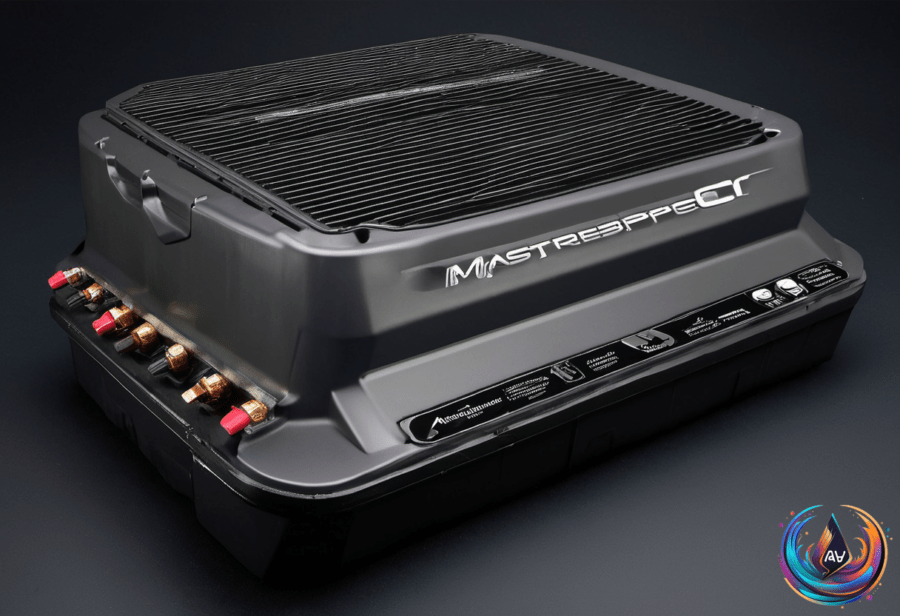
When a hybrid refuses to start, the word “battery” can make the problem sound bigger than it is. Hybrid vehicles use two different batteries, and each one plays a separate role. Knowing which battery has failed can help explain what the car is doing and what kind of repair it needs.
The smaller battery is the low-voltage auxiliary battery, often called the 12-volt battery. It wakes up the car’s computers and runs conventional accessories, including systems needed before the vehicle can enter its initial READY state. If that battery is dead, the car may be completely inoperable even when the high-voltage traction battery remains in good condition.
The larger battery is the traction battery. It stores energy for the electric motor and helps keep the 12-volt system charged through a DC-to-DC converter. In a conventional hybrid, the gasoline engine and regenerative braking recharge the traction battery, so it should never run completely empty during ordinary driving.
How to tell which battery has a problem
A failing 12-volt battery often creates simple electrical symptoms. The lights may look dim, the locks may not respond, or the dashboard may not wake up at all. These signs point toward a problem with the low-voltage system, especially when the vehicle cannot reach READY mode.
Many hybrids can be jump-started at a designated terminal, but the correct procedure depends on the vehicle. The owner’s manual explains where that terminal is and how to use it. Honda, for example, explains jump-start procedures for its vehicles, but the manual for the specific hybrid should always guide the process.
A jump-start is only for the 12-volt system. Jumper cables should never be connected to the traction battery, and a conventional jump cannot recharge a failed high-voltage pack. If the symptoms point to the 12-volt battery, use only the jump-start procedure described in the manual.
Plug-in hybrids can create another source of confusion. When the dashboard shows zero electric miles, the vehicle has usually reached the end of its EV-only range rather than suffered a battery failure. Plugging the vehicle in can restore that electric range after depletion, but charging will not repair damaged cells or fix a system fault.
What traction-battery failure can look like
A traction battery that deteriorates or develops a fault can produce more serious driving problems. The car may keep moving with reduced power, or it may stop and refuse to restart. A high-voltage battery warning requires prompt attention because certain traction-battery service messages can lead to a hybrid system that will not start if the driver keeps going.
Not every hybrid-system warning means the entire battery pack needs replacement. A cooling problem, an overheated pack, and an internal battery failure are different faults, and the correct response varies among hybrid designs. The message on the dashboard matters, so drivers should read it carefully instead of treating every warning as the same problem.
If the dashboard says to stop safely, pull over, switch off the car, and call roadside assistance. The owner’s manual provides model-specific responses and towing methods. That information matters because hybrid systems do not all handle faults or towing in the same way.
A proper diagnosis requires more than checking whether the vehicle starts. A trained technician should read the trouble codes and check the traction pack, cooling system, wiring, sensors, and 12-volt charging circuit. Those checks can separate a weak auxiliary battery from a cooling fault, wiring issue, sensor problem, or damaged high-voltage pack.
Repair costs, safety, and warranty coverage
High-voltage work should only be done by trained technicians. The traction battery stores energy at a level that requires specialized handling, so drivers should not open the pack or attempt repairs with ordinary tools. Even when the vehicle appears to have a simple battery problem, the two battery systems must be treated as separate parts of the car.
Battery failure can be expensive, but coverage depends on the brand, model year, mileage, and location. Toyota’s US warranty covers the traction battery in many 2020-and-newer hybrids for 10 years or 150,000 miles. Owners should check the warranty information for their own vehicle before paying for a major repair.
The safest approach starts with the symptom. A dark dashboard and unresponsive locks may point to the 12-volt battery, while reduced power or a high-voltage warning calls for professional attention. A plug-in hybrid showing zero electric miles may only need charging. In every case, the manual provides the model-specific instructions, and trained technicians should handle high-voltage diagnosis and repair.