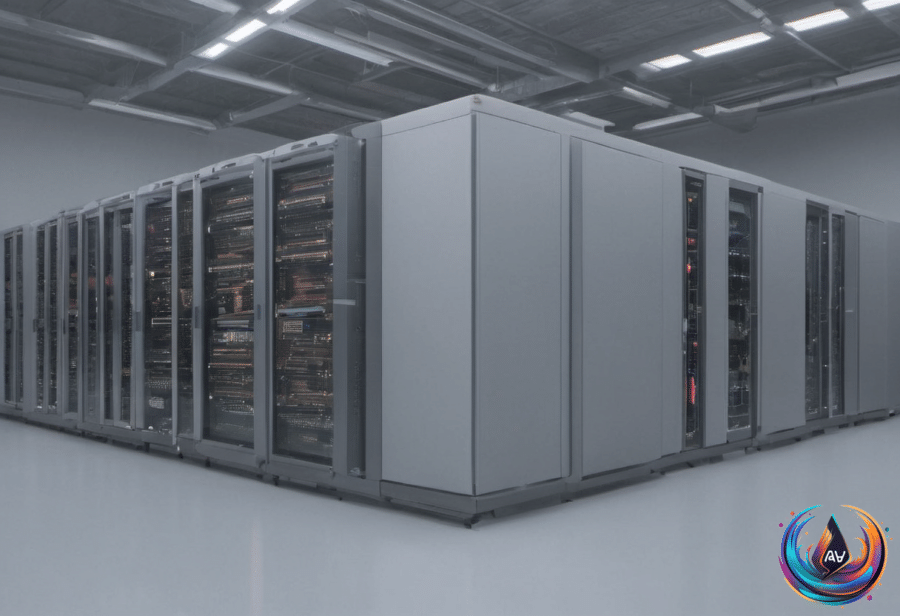
Meta has turned its enormous AI data center projects into a powerful tax-saving strategy, classifying construction investments as research and experimentation. That move helped the company save $2 billion in 2024 and almost $4 billion in 2025, but Meta now warns that the IRS could demand some of the money back.
The heart of the issue is a tax break for “pilot models.” Meta is writing off its multibillion-dollar data center construction projects under that label, using a Reagan-era tax credit created to support companies testing risky research and experimentation. Instead of treating these facilities only as infrastructure for AI computing, Meta is classifying its AI data center investments as “experimental research” to claim research tax credits.
How Meta Turned Data Centers Into Tax Credits
Meta has exploited the “pilot models” tax break for two years, according to the verified claims surrounding its tax filings. The approach lets the company claim taxpayer-subsidized discounts tied to its AI expansion, including discounts on AI chips from suppliers such as Nvidia.
The result is a huge financial benefit. Meta saved $2 billion in 2024 and almost $4 billion in 2025 by exploiting tax credits, creating billions of dollars in savings as the company builds out its AI data center network.
That scale makes the classification important. A tax credit designed for experimental work is being applied to enormous construction projects, while Meta continues to invest in the data centers and hardware needed for its AI operations. The company’s strategy connects research tax credits, AI infrastructure, and chip purchases in one sweeping financial structure.
Meta is led by Mark Zuckerberg, and the company’s AI ambitions depend on large computing systems and specialized chips. By labeling its data center projects as “pilot models,” Meta is using those investments to claim credits that reduce its tax bill.
Meta Warns the Savings May Not Last
Meta’s own securities filings indicate that the company may have to pay back the IRS for tax credits it claimed. Meta said that it may have to pay the IRS back the money it saved due to “uncertainties with our research tax credits.”
That warning puts a major condition on the savings. The company has recorded billions of dollars in tax benefits, but those benefits could face a challenge if the IRS rejects the way Meta classified its AI data center investments.
The IRS is already trying to claw back $355 million that Meta saved after exploiting a tax break in 2013. That earlier dispute adds a clear number to the broader fight over Meta’s use of tax credits and shows that claimed savings can remain under review long after a company records them.
The possible repayment does not erase the scale of Meta’s recent savings. The company saved $2 billion in 2024 and almost $4 billion in 2025, while its filings acknowledge uncertainties tied to the research credits. The central question is whether massive AI data center construction qualifies for a tax break meant for pilot models and experimental research.
A Bigger Test for AI Infrastructure Spending
Meta’s tax strategy highlights the financial stakes behind the AI data center race. These facilities require major construction projects, AI chips, and research tax decisions, so the way companies classify each investment can shape how much they pay in taxes.
The case also brings taxpayer subsidies into the AI hardware market. Meta is claiming taxpayer-subsidized discounts on AI chips from suppliers such as Nvidia, while using its data center investments to claim research tax credits. Together, those moves reduce the cost of building and equipping the systems that support Meta’s AI work.
That creates a sharp line between experimentation and expansion. The “pilot models” tax credit was originally intended to support companies dabbling in potentially risky research and experimentation, while Meta is applying it to enormous, multibillion-dollar data center construction projects.
Now the company’s filings point toward a possible reckoning. If the IRS challenges Meta’s use of the credits, Meta may have to return money connected to its AI infrastructure spending. The $355 million dispute from 2013 shows that the IRS can pursue past tax savings, while the billions saved in 2024 and 2025 raise the stakes for the current strategy.
Meta’s AI buildout is therefore moving on two tracks at once: the company is expanding the computing foundation for its AI systems, and it is defending a tax approach that helped fund that expansion. The next phase will depend on whether the IRS accepts data centers as “pilot models” or demands that Meta repay part of the savings.
Based on