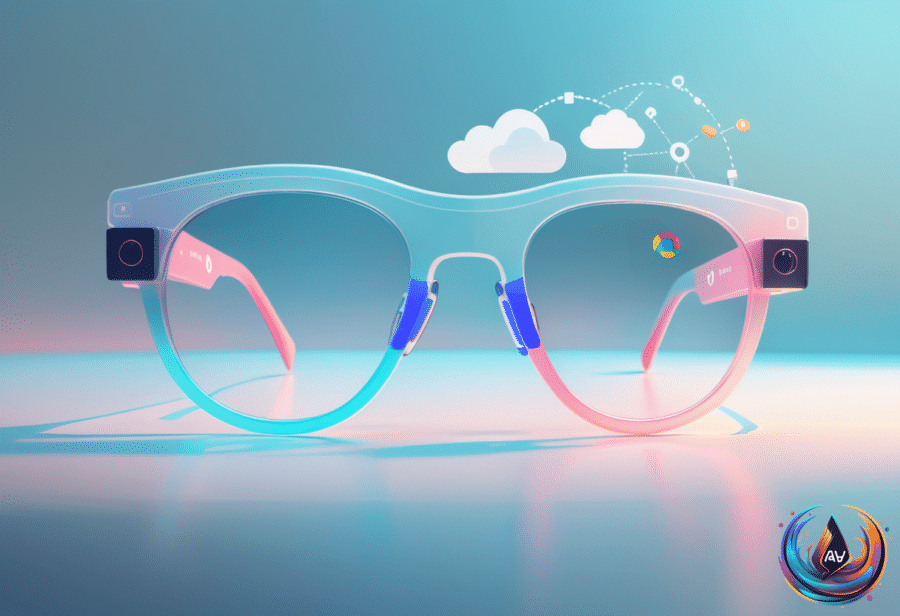
Meta’s smart glasses now have a privacy problem. Oregon Senator Ron Wyden and Massachusetts Senator Edward Markey sent Meta a letter on Wednesday demanding answers about safeguards, data retention, and the use of imagery captured by the company’s glasses. Their questions follow investigations, studies, lawsuits, and reports that turn a convenience device into something less charming: a camera worn by strangers.
The letter cites 404 Media’s October 2025 investigation into people using Meta’s Ray-Ban glasses to harass massage parlor workers. Instagram accounts with hundreds of thousands of followers and millions of views uploaded videos filmed inside massage parlors across the country, showing men soliciting workers for sex work.
Research published in August described how pickup artist influencers use smart glasses to create content from interactions with people at workplaces and in public. A January BBC report described one woman who was “bombarded” with phone calls after someone posted her phone number alongside a video; men who had seen the video also stalked her at work.
That is the visible harm. The less visible problem begins after the recording ends.
“Meta’s own disclosures confirm that imagery processed through its glasses’ visual AI features may be retained and used to train AI systems, including with the assistance of human reviewers,” Wyden and Markey wrote. They argue that using intimate imagery for AI development violates privacy when the people shown never consented, and that retaining the material extends the time it can be accessed, disclosed, or misused.
The senators specifically asked what safeguards Meta has to prevent the nonconsensual “capture, disclosure, or processing of sensitive and intimate imagery.” They also want to know whether Meta evaluated the glasses’ potential to facilitate voyeurism or nonconsensual intimate image capture, what imagery the company uses for AI training, and whether people can request deletion of biometric and other data captured by the glasses.
“The reported disclosure of intimate footage to contractors for the purpose of AI training is particularly disturbing,” Wyden and Markey wrote. Earlier this year, more than 70 people sued Meta, claiming their intimate images and videos were exposed to workers hired to label data for AI.
In March, Swedish journalists reported that Kenyan data labelers were viewing and annotating uncensored footage from Meta’s smart glasses, including sexual and violent content. Meta ended its contract with those workers less than two months later. The senators said people whose naked bodies, sexual activity, and private moments were captured did not agree to share those images with strangers or use them to improve Meta’s commercial AI systems.
The settings offer control, with homework attached
Meta gives users several privacy controls through the Meta AI app, though the controls are scattered across menus and require attention. In the United States, users can no longer prevent Meta from storing recordings of AI voice interactions in the cloud; they can manually delete saved recordings through the Voice activity log, but Meta leaves that chore to the user.
Users can deactivate the “Hey Meta” voice trigger under Meta AI preferences. The touchpad can still call the assistant, and the microphones remain available for calls and videos. Cloud media can also be disabled, but when enabled it allows Meta to keep copies on its servers for up to 30 days.
Turning off Cloud media does not stop images from being sent to Meta when users ask visual questions, such as identifying a plant or translating a menu. Meta says ordinary gallery captures are not used to train its AI models or serve ads, regardless of that setting, while visual data sent for AI answers has operated under a different system.
In September 2026, Meta introduced an option to stop visual data from smart glasses interactions being used for AI training. Users can disable “Store visual data from AI experiences” in the glasses settings, after which Meta says it will process images to answer questions but will not retain them for AI training or make them available to human reviewers for product improvement.
The trade-offs are familiar. Visual reminders may stop working, Meta has not specified whether other features are affected, and the setting does not clear previously processed visual information or change voice processing. Owners with more than one pair must change the setting separately on each pair. Privacy remains a menu option with a checklist attached.
The recording light is doing too much work
People have been modifying these glasses for years to disable the light that indicates recording. Most smart glasses include an indicator LED, but low-cost duplicate glasses sold through TikTok Shop and Temu may not have one. Audio-first glasses, including Ray-Ban Meta Audio Glasses, do not have cameras.
Fortune reported that Meta’s main warning to bystanders is a small white light that flashes when the wearer captures a photo or video for their gallery. There is no off switch, and second-generation models shut off the camera if they detect that the light is blocked. That is a technical safeguard, not a social solution.
California Gov. Gavin Newsom vetoed a bill that would have required prominent recording indicators on wearable devices sold in the state beginning in 2028. The bill also would have prohibited disabling those indicators and made recording people without explicit consent in physical places of business a misdemeanor, with penalties of up to a year in county jail, a fine of up to $1,500, or both.
Newsom said reports of invasive uses “demand a legislative response,” but argued the bill could sweep in smartwatches and create “significant confusion and unintended consequences.” Existing laws against recording people where they reasonably expect privacy and recording confidential communications without consent remain in place.
Meta has also faced criticism over changes to privacy policies for business accounts that granted it permission to scrape user content and connected websites for AI products. Adam Schiff and Marsha Blackburn urged Meta to “compensate creators and publishers for their work”; Schiff said the changes were pushed back until November 20th, but “a delay isn’t enough.”
Meta has spent years selling these glasses with celebrity ads featuring Chris Pratt, Chris Hemsworth, Kris Jenner, Doja Cat, Jennie Kim from BLACKPINK, and Kylie Jenner. The senators are asking whether the product’s privacy design deserves the same promotional confidence.
For people worried about being recorded, Nearby Glasses and ZuckOff can scan for nearby Bluetooth devices and identifiers often associated with AI glasses, though both apps can produce false positives and miss glasses with Bluetooth disabled. The practical advice is less futuristic: move away if someone is following you, speak to authorities, and calmly ask about recording in a public setting. For confidential meetings or events, a neutral ban on smart glasses is clearer than hoping a tiny light will save the day.
Thorin Klosowski, a security and privacy activist at the Electronic Frontier Foundation, put the larger issue plainly: “I hope that there is not just a general giving up toward the inevitability of everyone having a camera strapped on their face all the time.” That outcome is not inevitable. It is what happens when product design, consent, and regulation keep arriving after the camera does.
Based on
- Senators Demand Meta Answer for ‘Pervert Glasses’ Following 404 Media Investigation — 404media.co
- 4 Ray-Ban Meta Privacy Settings You Should Change Before Wearing Them — engadget.com
- Fortune Tech: Which privacy rules do smart glasses need? | Fortune — fortune.com
- Another senator wants Meta to reverse its business term revisions. | The Verge — theverge.com
- The Best Ways To Tell If Someone Is Using AI Glasses — engadget.com