Orakl Oncology is putting $34 million behind its cancer prediction platform. Norrsken VC announced on November 12, 2026, that it co-led the oversubscribed Series A alongside Singular, bringing Orakl’s total funding to $50 million. The company plans to expand its dataset and AI research team, increase data generation fivefold, and cover more cancer types.
Orakl will use the proceeds to establish teams in the United States and the United Kingdom, deploy predictions across more than 10 drug programs, and discover and validate drug co-targets. Those targets will come from patient biology and experimental screens — a useful reminder that cancer AI still needs actual cancer material.
New investors in the round include InfraVia, Serena, the Patient Autonome Fund managed by Bpifrance, teampact.ventures and Plug and Play. Existing backers Verve Ventures, Speedinvest and HCVC also remain involved.
From Patient Samples to Predictive Systems
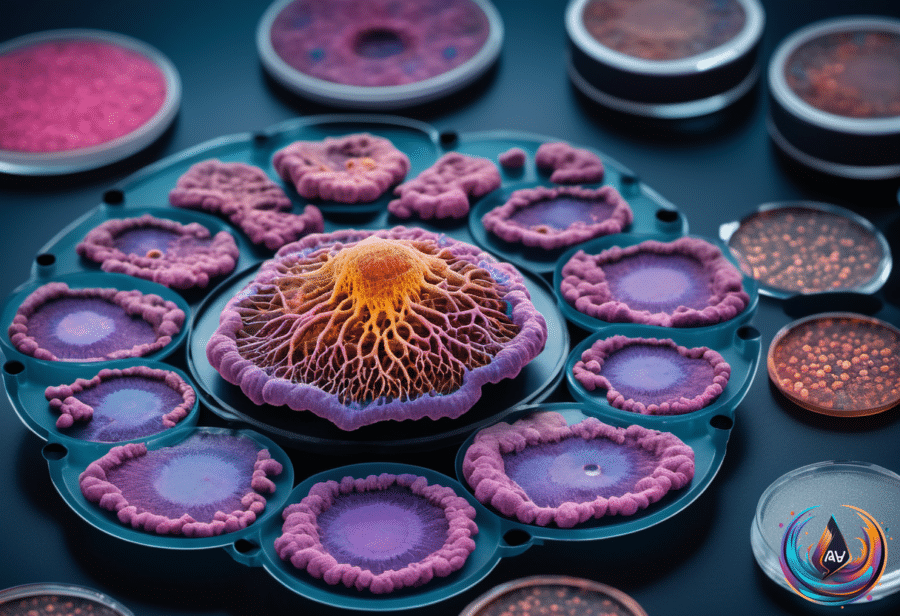
Founded in 2023 as a spin-out of Gustave Roussy, Orakl grows patient-derived tumor organoids and screens them against drugs. The company describes tumor organoids as laboratory models of individual patients’ cancers, allowing its systems to connect drug responses with patient-specific biology.
Orakl’s platform enriches those results with genomic, transcriptomic and phenotypic data, then anchors them to longitudinal clinical histories. The result is a multimodal dataset for its predictive systems, built from patient samples, laboratory infrastructure and hospital partnerships rather than assembled from existing databases.
Every experiment adds proprietary data linking patient biology, clinical information and observed drug responses. Norrsken calls the resulting patient cohorts “virtual cancer patients,” a phrase that sounds like venture capital until the underlying work becomes clear: growing models, screening drugs and matching results to clinical histories.
Orakl divides its biopharma products between O-Predict and O-Target. O-Predict is designed to anticipate trial endpoints including tumor response, progression-free survival and overall survival, identify biomarkers that distinguish likely responders, and assess drug combinations alongside their benefit-risk profiles.
O-Target focuses on therapeutic-target discovery. Together, the products cover both sides of the development problem described by Orakl: predicting which patients may respond and finding the targets that could produce better treatments.
Early Results From SCOPE
Orakl reports 90% accuracy for prospective predictions of individual patient responses across more than 30 clinical trials. A separate April 2026 preprint co-authored by Orakl staff provides detailed arm-level results for SCOPE, the Screening-to-Clinical Outcome Prediction Engine.
The preprint is marked as early-stage research that may not yet have been peer reviewed. SCOPE was trained on 54 treatment lines from 52 patients with metastatic colorectal or pancreatic cancer, using matched clinical data and organoid screens covering nine compounds.
To predict trial outcomes, SCOPE generated synthetic patient profiles from published eligibility criteria and matched them to a biobank of 81 patient-derived organoid lines. External validation covered 32 arms from 23 published trials.
The authors report an R² of 0.85 and a mean absolute error of 0.82 months for predicted median progression-free survival, the time patients live without disease progression. For objective response rate — the share of patients with a measured tumor response — SCOPE reached an R² of 0.71, with a mean absolute error of 7.3 percentage points.
The source states that combining organoid and clinical data significantly outperformed either data type alone. That result supports Orakl’s focus on multimodal evidence, but the preprint’s early-stage status leaves the findings short of a final verdict.
Orakl now plans to move beyond colorectal and pancreatic cancers into lung and gastric cancers, while expanding data generation fivefold and applying predictions across more than 10 drug programs. The company says SCOPE also selected the superior treatment a.
Based on
- Orakl Oncology Raises $34M Series A to Expand AI Cancer Drug Prediction — unite.ai
- Clene Nanomedicine Partners with Veristat to Reduce Biostatistical Output Time by 80% for ALS New Drug Application | AFP.com — afp.com
- Akara Raises $5.5M to Bring Privacy-Preserving AI to Hospitals | Markets Insider — markets.businessinsider.com
- Kura Oncology Reports Third Quarter 2026 Financial Results and Corporate Update | Markets Insider — markets.businessinsider.com
- Rakovina Therapeutics Expands Strategic Engagement with Renowned AI Drug Discovery Pioneer Dr. Artem Cherkasov | Markets Insider — markets.businessinsider.com