Japan just rewrote the rules on throat exams. A company called Iris created Nodoca, an AI system that analyzes pharynx images for influenza in about 10 seconds. It’s fast. It’s accurate. And it became Japan’s first AI-equipped medical device approved as a “new medical device” in 2022.
Nodoca works with a small camera-equipped device, capturing throat images that AI scans instantly. Iris collected data by lending cameras to around 100 medical institutions over three years. The dataset grew from hundreds of thousands to several million images. This scale powers Nodoca’s precision.
Sho Okuyama, founder of Iris and former emergency physician, says the real breakthrough is in sensing, not diagnosis. “When people hear ‘medical AI,’ they think of diagnosis. But the real differentiating factor lies in sensing—how the data is acquired.” Low inference costs mean Nodoca can scale without breaking the bank, even as tests multiply.
October 2025 brought Nodoca approval for Covid-19 assessment, expanding its role. Okuyama sees bigger ambitions. Within a decade, he envisions a single throat photo running tests for diabetes, hypertension, and more. He’s eyeing AI as the foundation for healthcare’s redesign.
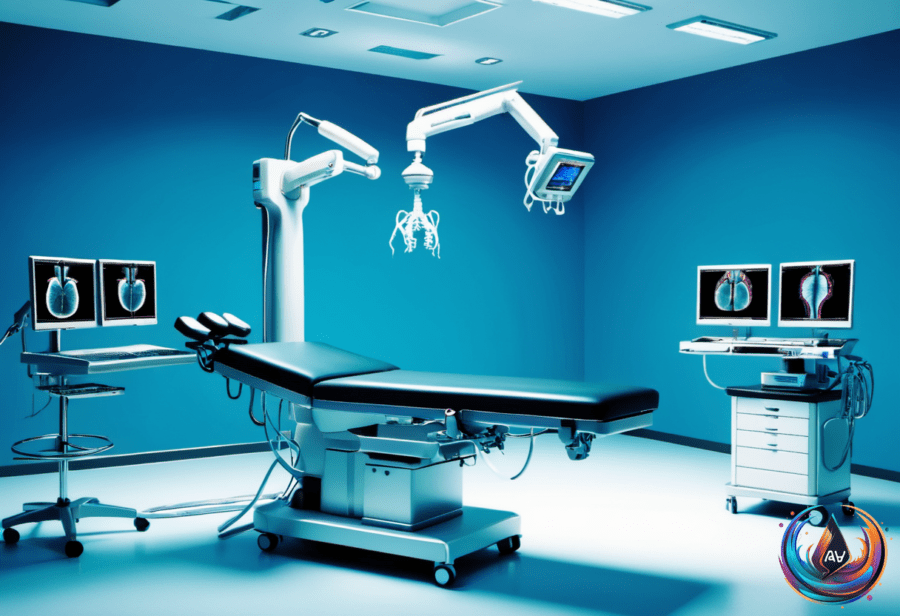
Across the ocean, the UK pushes robotic surgery into the mainstream. The government wants robotic assistance in 90% of keyhole surgeries by 2035. Thoracic surgeon Sasha Stamenkovic showcased the da Vinci 5 system, made by US company Intuitive, in a live demo on August 2, 2026.
Stamenkovic’s surgery saved lung tissue and expertly navigated tiny vessels and airways. “We’ve done some very, very intricate operating today,” he said. “Robotic surgery has brought you back to what surgeons wanted to do, which was to have an art form able to create something with their hands.”
Despite progress, access to robotic surgery in England is uneven. The Royal College of Surgeons called out the “postcode lottery” in availability. Ian Macleod, a 76-year-old retired detective, was the NHS’s first patient to get robotic lung cancer surgery. He walked out with one stitch and was back on his feet within 30 minutes.
Robotics is one of five “big bets” in England’s 10-year health plan. Stamenkovic insists, “We need to embed robotics into training programmes” to spread expertise.
Meanwhile, AI is sneaking into meetings. Wispr Flow launched an AI notetaker that transcribes and summarizes meetings in real time. It syncs with calendars and listens during sessions, producing instant notes. CEO Tanay Kothari declared, “This is the year of meeting recorders and notetakers.”
The Wispr Notetaker launches first on Mac laptops, with Windows support coming later. It can record meetings up to six hours long and offers a Privacy Mode to block data use for AI training. San Francisco rules require consent from all parties to record private conversations, a detail users should mind.
On a lighter note, Amanda Jewson shared a Japanese sleep trick called Mokan Undo. Details remain sparse, but its timing aligns with Japan’s tech-driven health innovations.
Based on
- A New Device Eases One of the Most Annoying Parts of Routine Physicals — wired.com
- Training the UK ‘surgeons of the future’ using robots | AFP.com — www-pp.afp.com
- The AI Notetaker Has Been Invited to All the Meetings | WIRED — wired.com
- Sleep: How this Japanese trick can help you get some shut-eye — ctvnews.ca