Creators are pushing back hard against AI bots that steal their work. Patreon just flipped the switch from “please don’t scrape” to full-on blocking. The game is changing fast. AI scraping has grown sharper and sneakier since 2023. Patreon isn’t taking chances anymore.
Patreon’s Bold Move to Protect Creators
On July 17, 2026, Patreon announced it teamed up with Cloudflare to stop AI bots dead in their tracks. These bots crawl creators’ content to train AI models without permission. Patreon’s paywall locked much of this content away from scrapers before. But new discovery tools like a redesigned Home Feed and the Quips feature could expose more content to bots.
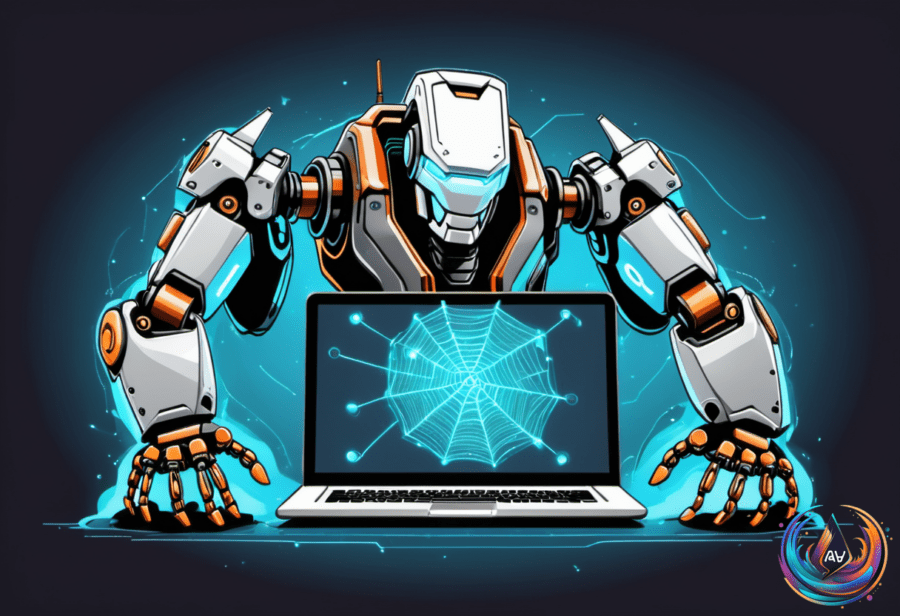
Patreon says robots.txt files — the polite “please don’t scrape” bots follow — just don’t cut it anymore. Instead, they’re using Cloudflare’s AI Crawl Control technology to actively block AI training bots. The results? Weekly AI bot attempts dropped from thousands to zero. That’s a knockout!
- Patreon’s technology blocks unauthorized AI bots.
- It still allows helpful bots that index pages and direct users back to Patreon.
- Creators get to grow their audience and control their content’s use.
As Patreon’s product chief, Drew Rowny, puts it: “Consent shouldn’t depend on whether a scraper chooses to behave.” This is a powerful stance. It puts creators first and sets a new standard for digital content protection.
Other Platforms Step Up Content Defense
Patreon isn’t alone in this fight. X, formerly Twitter, is cracking down on content theft with tough new AI tools. Their latest Grok AI model detects duplicate stolen content at triple the previous rate. X found 1.5 million stolen posts in their most recent sweep. That’s a lot of content thieves exposed!
X’s executive Nikita Bier explains what happens to thieves trying to disguise stolen work: “Adding watermarks, intros, and other edits meant to fool people into thinking stolen content is your own will result in sending the monetized impressions to the original uploader.” That means creators get paid back for their stolen work. Over $1 million in payouts will return to rightful owners.
In April, X suspended bots at a rate of 208 per minute. Their rules are clear: repeated or intentional theft leads to removal from the creator revenue-sharing program. X is showing zero tolerance for content abuse.
Legal Battles Heat Up Over AI Training Data
The fight isn’t just technical. It’s legal and massive. Google faces a class action lawsuit from major publishers and authors. Hachette Book Group, Cengage Learning, Elsevier, and author Scott Turow accuse Google of ripping off millions of copyrighted works without permission or payment. The complaint says Google stripped copyright management information (CMI) to hide training sources. It claims Google’s Gemini AI encourages copycat works without credit or compensation.
A similar lawsuit targets Meta, involving many of the same parties. Authors have also tried and failed to challenge Meta’s AI copyright practices. Plus, a $1.5 billion settlement with Anthropic in 2025 over copyright infringement was rejected by a judge as “nowhere near complete.” Anthropic CEO Dario Amodei remains at the center of this storm.
Music AI and Data Security Controversies
Suno, an AI music generator, faced a dark moment in November 2025. A supply chain attack exposed employee credentials and source code revealing how Suno scraped audio from YouTube Music, Deezer, Genius, stock music libraries, and podcast feeds. Suno claims it trains AI on publicly available music under fair use. But major record labels are suing, saying this violates the DMCA and YouTube’s terms of service.
The hack also exposed customer emails, phone numbers, and partial credit card data. Suno called it a “limited security incident” and did not notify customers. This breach raises fresh questions about data security and ethics in AI training.
What’s Next for Creators and AI?
The digital content world is shifting fast. Platforms like Patreon and X are no longer waiting for bots to behave. They’re fighting back with aggressive tech and rules. Lawsuits are pushing AI companies to rethink how they train their models.
Creators finally have allies standing guard. The message is clear: your work is yours. AI can’t just take it without consent or compensation. As new tools roll out and legal battles continue, this fight will only intensify.
Will AI models learn to respect creators? Will platforms keep building stronger defenses? One thing’s certain — the era of easy AI content theft is ending. Creators, get ready for a new wave of protection. The future belongs to those who control their own work.
Based on
- Patreon stops asking AI bots not to scrape — and starts blocking them — techcrunch.com
- X cracks down on creators who steal content | TechCrunch — techcrunch.com
- Three Publishers Challenge Google Over AI Copyright Infringement — engadget.com
- AI Giants Learn the Hard Truth of the Modern Internet – Business Insider — businessinsider.com
- Hack suggests AI music generator Suno scraped YouTube for training data | TechCrunch — techcrunch.com