Google has entered the tracker battle with Pixel Tag, a Bluetooth device built for Android phones and positioned as a competitor to Apple’s AirTag. The company announced Pixel Tag on August 12, 2026, alongside the Pixel 11 smartphones, creating a new hardware pairing for people who want to keep track of their belongings and upgrade their phone at the same time.
Pixel Tag brings a key feature to the Android experience: Precision Finding through Ultra Wideband. When you search for the tag, it can show your exact distance from it and tell you which direction to go, turning a vague search into a guided path toward the missing item.
Pixel Tag Packs Precise Finding Into a Small Tracker
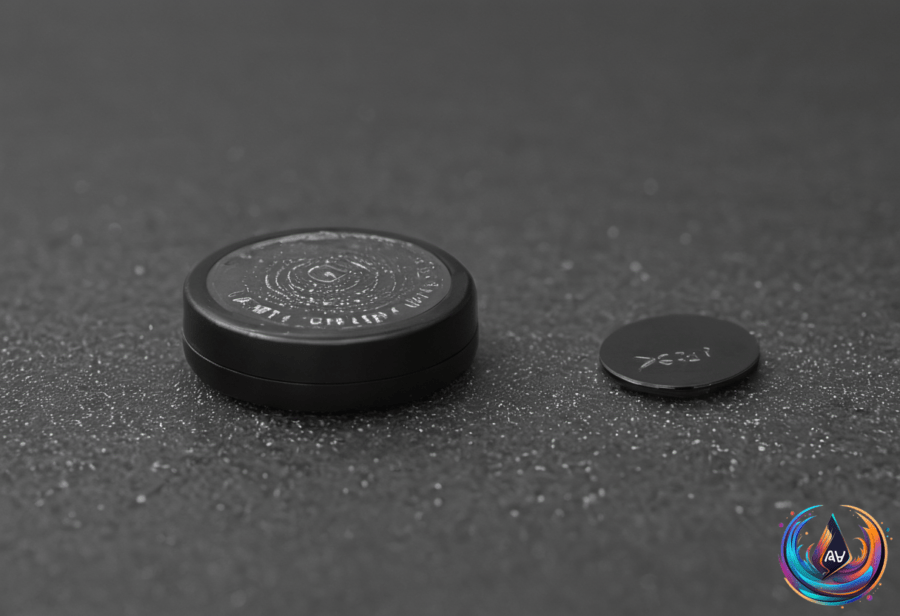
The tracker measures 1.8 inches tall, 1.1 inches wide, and 0.2 inches thick, with a weight of 0.4 ounces. Apple’s AirTag measures 1.26 inches in diameter and 0.31 inches in height, weighing 0.39 ounces, so the two devices sit close together in weight while using different shapes.
Pixel Tag works with phones running Android 9 and later, allowing owners to pair it with older devices that have not received newer updates. The device also works with Pixel Watch, letting you locate and ring the tag directly from the watch instead of relying only on a phone.
Its most advanced distance feature depends on newer hardware and software. Pixel Tag’s Bluetooth Channel Sounding capability works only with Android 16 or later and Bluetooth 6.0, while Ultra Wideband powers Precision Finding.
That combination gives Pixel Tag a clear place in Google’s device lineup. An Android phone can pair with the tracker, and a Pixel Watch can locate and ring it, extending the search experience across Google’s devices without changing the basic purpose of the tag.
Water Resistance and a Replaceable Battery
Pixel Tag carries an IP67 rating for dust and water resistance. It can withstand submersion in 3.28 feet of water for up to 30 minutes, giving the tracker protection against a defined amount of water exposure.
The device uses a CR2032 coin cell battery that lasts about a year. When the battery runs out, users can replace it themselves, so keeping Pixel Tag powered does not require replacing the entire tracker.
Google will sell Pixel Tag for $29 as a one-pack or $99 as a four-pack. The tracker becomes available for purchase on November 11, 2026, placing its retail launch after the Pixel 11 begins shipping.
- One-pack price: $29
- Four-pack price: $99
- Battery: CR2032 coin cell
- Battery life: roughly one year
- Water resistance: IP67
- Submersion rating: 3.28 feet for up to 30 minutes
- Compatibility: Android 9 and later
Pixel 11 Brings Google’s New Phone Hardware
Google also launched the Pixel 11, powered by Google Tensor G6 processors. The phone offers more than 30 hours of battery life depending on usage, and its redesigned, slimmer camera bar houses three rear lenses: a 48-megapixel main lens, a 13-megapixel ultra-wide lens, and a 10.8-megapixel telephoto lens with up to 5x optical zoom.
The camera system supports 4K video at 24, 30, or 60 frames per second. On the front, a 10.5-megapixel camera can also capture 4K video, giving the Pixel 11 video recording across both sides of the phone.
The Pixel 11 uses a 6.3-inch OLED display with a resolution of 1080 x 2424 pixels and a refresh rate ranging from 60 to 120Hz. Buyers can choose Frost, Pistachio, Hibiscus, or Obsidian colors, along with 256GB or 512GB of storage and 12GB of RAM.
Pre-orders for Pixel 11 open on August 12, 2026, and the phone starts shipping on August 20. Pricing begins at $899, placing the smartphone and Pixel Tag announcement in the same hardware push, even though the two products reach buyers on different schedules.
Pixel Tag gives Android users a direct AirTag competitor with Ultra Wideband Precision Finding, a replaceable battery, and support for devices running Android 9 and later. Its November 11 release will show how Google’s tracker fits alongside the Pixel 11, Pixel Watch, and the wider Android device experience.
Based on
- Google’s Pixel Tag is an AirTag for Android phones — engadget.com
- Google takes on AirTag with the new $29 Pixel Tag | TechCrunch — techcrunch.com
- Google’s finally launching a Pixel Tag to rival the Apple AirTag | The Independent — independent.co.uk
- Google’s Pixel 11 Has A 30-Hour Battery Life And A Slimmer Camera Bar — engadget.com