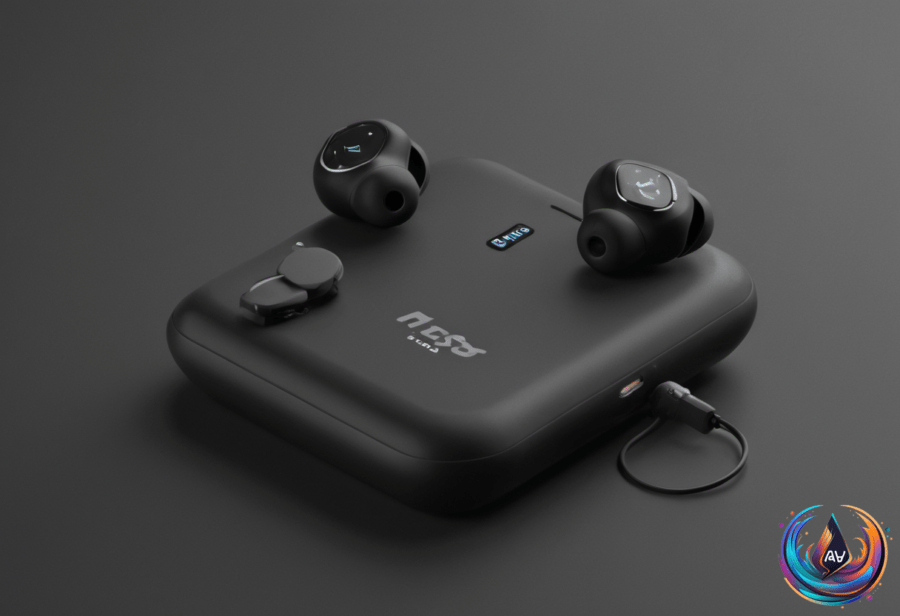
Earbuds made music pocket-sized. By the mid-2000s, tangled buds filled pockets across the globe as the iPod and other portable media players reshaped the music business. Downloaded MP3s from iTunes and other sources let listeners cram more music into their pockets, while digital distribution turned the local record shop into a relic.
Music had become truly mobile, and easily pocketable earbuds symbolized that freedom. The old iPod earbuds were plastic white buds considered poor in sound quality, but they helped define an era when convenience mattered more than acoustic precision.
Now the market has split in two directions. Wired earbuds are making a comeback, even as new devices often arrive without a headphone jack or earbuds in the box — a neat way to make customers buy yesterday’s accessory twice.
Technically, an “earbud” rests on the outer ear. In-ear monitors, or IEMs, protrude into the ear with silicone or foam tips, but most people use “earbud” for both designs; high-end buds are almost invariably in-ears.
Two kinds of expensive earbuds
The most expensive earbuds tend to fall into two categories: in-ear models and high-end true wireless stereo earbuds. In-ear earbuds are usually wired and built for audiophiles, musicians, and audio engineers, while premium TWS models target recreational listening through convenience and connected features.
Premium true wireless earbuds are marketed as high-tech lifestyle accessories with active noise cancellation, ambient audio passthrough, and spatial audio. Sound quality is not their primary selling point, though models such as the Apple AirPods Pro 3 and Sony WF-1000XM6 often sound excellent.
IEMs take a different route. Most are designed for transparent or analytical listening and create superior passive noise canceling, while their prices rise with more complex craftsmanship and higher-end audio components. Paying more here buys a listening tool; paying more for TWS usually buys a package of sound, software, noise control, and battery hardware.
The practical question remains: “Will you notice the difference if you buy an expensive pair?” The answer depends on whether the priority is analytical listening, recreational listening, battery life, water and dust resistance, or features such as ANC and ambient audio passthrough.
What the current price ladder buys
At the low end, the JLab Audio Go Pop ANC costs $30 and is discounted to $20. The JLab Audio Go Air Sport costs $30, discounted to $25, and offers up to 35 hours of battery life — a reminder that low prices and long endurance can coexist.
The Google Pixel Buds 2a cost $129, discounted to $99, with 7 hours of battery life with ANC and 20 hours with the case. The Soundpeats Q40HD costs $50, discounted to $40, and offers up to 20 hours, giving budget buyers another route to extended listening.
Moving upward, the Google Pixel Buds Pro 2 cost $229, discounted to $189, and provide 8 hours with ANC and 30 hours with the case. Apple AirPods Pro 3 cost $249, discounted to $190, with 8 hours using ANC and 24 hours with the case.
Samsung Galaxy Buds4 Pro offer Bluetooth 6.1, 6 hours of battery life with ANC, 26 hours with the case, and IP57 water and dust resistance; their price is unspecified. Beats Powerbeats Pro 2 cost $250, discounted to $200, with 6 hours using ANC, 24 hours with the case, up to 10 hours of battery life, and IPX4 durability.
Bose QuietComfort Ultra Earbuds (2nd Gen) cost $299, discounted to $249, with 6 hours using ANC, 24 hours with the case, and up to 30 hours of battery life. Bose QuietComfort Ultra 2 cost $449, discounted to $370, and offer up to 30 hours of battery life — expensive, yes, but not magically exempt from charging.
Open-ear options follow their own logic. Shokz OpenDots 2 offer 8 hours of battery life and IP57 water and dust resistance, while Shokz OpenRun Pro 2 offers up to 12 hours with IP55 durability. Shokz OpenSwim Pro offers up to 9 hours and IP68 durability; prices for all three models are unspecified.
Premium earbuds are worth paying for when their specific advantages match how they will be used. IEMs suit listeners who want transparent or analytical sound, while high-end TWS models make more sense for people who value ANC, ambient audio passthrough, spatial audio, battery life, and a polished wireless experience.
Based on