Qualtrics wants experience data to do more than report the past. On September 9, 2026, the company announced its XM Data & AI Platform, a system designed to simulate outcomes, predict what individual customers are likely to do, and act inside the moment.
The platform is scheduled for release in 2027. Qualtrics previewed it during a livestream on September 9, 2026, at 2:30 p.m. MT, offering a look at its plan to turn experience management into a system for testing decisions before commitment and delivering trusted outcomes when they matter.
Qualtrics created the experience management category, and the new platform extends that position with a single purpose-built system. It replaces disconnected listening tools, survey applications, and static experience data hubs — the familiar software pileup that leaves companies collecting signals without a clear way to use them.
A Larger Data Foundation
The platform’s foundation includes Qualtrics’ $6.75 billion acquisition of Press Ganey Forsta, which closed in May 2026. Press Ganey extends the experience data with forty years of healthcare experience data drawn from more than 41,000 facilities.
That healthcare foundation joins more than two decades of Qualtrics intelligence on how customers, patients, and employees feel and behave across 18,000 organizations. The result is a data layer built to connect experience information across those groups instead of treating each interaction as an isolated survey response.
The scale matters because Qualtrics says close to $3 trillion in sales is at risk from poor customer experiences. That figure frames the platform as a business decision system, not a polished dashboard for admiring last quarter’s unhappy comments.
From Listening to Simulation
Qualtrics structures the system around Experience Loops, or X-loops, and Experience Moments, or X-moments. The X-loop model organizes the larger cycle of understanding experience data and acting on it, while X-moments focus on what happens inside a specific interaction.
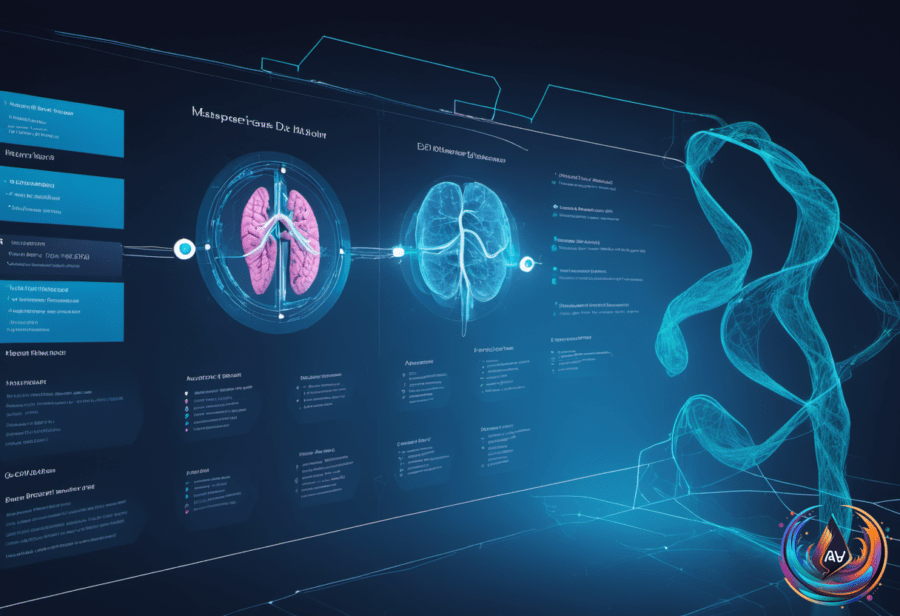
The platform generates synthetic data and builds digital twins of real customers for testing and evaluation purposes. Those digital twins let organizations examine possible outcomes before committing to a course of action, using simulated customer behavior as part of the evaluation process.
Its stated capabilities follow a clear sequence: simulate outcomes before commitment, predict individual behavior, and deliver trusted outcomes inside the moment. That sequence moves experience management away from simply asking what happened and toward deciding what may happen next.
Jason Maynard, Chief executive of Qualtrics, tied that shift to the financial value of experience: “Customer lifetime value determines how a company performs over time, and experience is what builds and compounds that value.”
The platform’s 2027 release will test whether Qualtrics can turn that argument into a usable system across customers, patients, and employees. For now, the company has announced an experience management platform that combines its existing intelligence, Press Ganey Forsta’s healthcare data, synthetic data, digital twins, prediction, and action in one planned product.
Based on