A dangerous phishing pattern is gaining ground: fraudulent bank-support pages are guiding people toward remote-access software, giving an operator a path into the same digital session as the victim. Fortra reports a 475% rise in phishing attacks abusing remote-management tools during the first nine months of 2026 compared with all of 2025.
That number does not describe a global census or confirmed financial losses. It reflects attacks observed by Fortra, but the scale still demands attention: the observed count reached 5.75 times the baseline. A tactic once associated with isolated support scams is now part of a broader cybersecurity picture shaped by deception, stolen information, and AI-fueled fraud.
The Remote-Access Trap Starts With a Fake Support Page
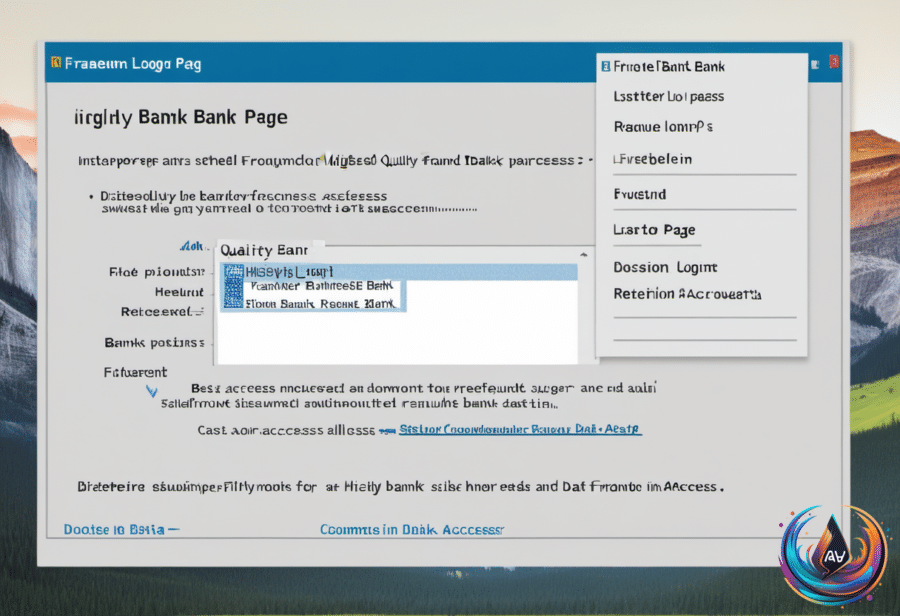
Fortra describes fraudulent bank-support pages that lead people to download remote-access software, commonly AnyDesk. The page presents a false reason for requesting help, then moves the interaction toward software that can allow remote control of the device.
The danger comes from the story built around the request. The remote-access products themselves do not need to be compromised for the scheme to work; the abuse comes from deception about who is requesting access and why. A person may believe the session is part of bank support, while an operator gains a position alongside the victim.
The campaign infrastructure has also shifted. After restrictions were placed on downloads linked from Firebase, campaigns moved their delivery infrastructure elsewhere. That change shows how the operation adapts when one path becomes harder to use, keeping the same basic deception in motion through a different route.
The attack can combine two forms of pressure. A fake login page attempts to obtain information from a person, while a remote-control session can place an operator alongside that person during the interaction. Together, those steps turn a support story into access to accounts and sensitive information.
AI Adds Fuel to a Fraud Landscape Already Moving Fast
The surge in remote-management phishing arrives alongside warnings about AI-fueled scams. On October 7, 2026, cybersecurity specialist Chester Wisniewski of Sophos described the effect in clear terms: “With AI powering these scams, it’s just like rocket fuel, making them faster and more sophisticated.”
That warning points to a wider problem than one delivery method. Fraud can combine convincing messages, fake pages, phone calls, and remote-access sessions, creating a chain in which each step supports the next. The stronger the deception sounds, the easier it becomes to push a person toward a transaction or download.
Wisniewski also warned that stolen information feeds this environment: “Hundreds of millions of records are stolen every week from hacked websites where many of us have shopped or done business with.” For people receiving unexpected contact about a bank account, that means familiar details cannot prove that the caller or page is genuine.
His advice is direct: “If you got a phone call from your bank, be suspicious. Hang up and call the bank back, verify it’s your bank.” He adds another rule for remote transactions: “You need to have initiated the transaction; never allow someone else to initiate it.”
Remote-access software can make that warning especially urgent. Wisniewski calls it “the digital skeleton key to your accounts.” The phrase captures why a support scam can become more serious than a single stolen password: the operator may sit inside the same session while the person believes help is being provided.
Cybersecurity Warnings Keep Expanding Across Regions
This tactic is not new. A joint advisory issued in January 2023 by CISA, NSA, and MS-ISAC described a phishing campaign abusing remote-access tools. The 2026 rise reported by Fortra shows that the approach remains active, with observed attacks now reaching a level 5.75 times the 2025 baseline.
Japan is also facing growing cybersecurity concerns. On October 8, 2026, Ariana King wrote that authorities were calling for renewed vigilance after the disclosure of a flurry of incidents exposing users’ personal data. Her warning adds another layer to the current picture: the threat is not limited to one country, one platform, or one kind of stolen information.
Wisniewski offers a blunt conclusion about personal data: “You do have to give up on the idea your information is not going to be stolen.” That does not remove the need for caution. It changes the goal from assuming information is safe to questioning unexpected requests, verifying bank contact independently, and refusing remote access that someone else tries to initiate.
The numbers from Fortra put fresh pressure on that behavior. A 475% increase in observed phishing attacks abusing remote-management tools marks a sharp expansion in a tactic built on trust. As AI gives scams more speed and sophistication, the safest response is clear: verify who is asking, verify why access is needed, and keep control of every transaction.
Based on
- Fortra Reports 475% Rise in Phishing Attacks Abusing Remote-Management Tools — unite.ai
- How AI is supercharging fraud and making scams impossible to detect | Globalnews.ca — globalnews.ca
- Japan and cybersecurity: What’s behind recent attacks and what’s being done? – The Japan Times — japantimes.co.jp