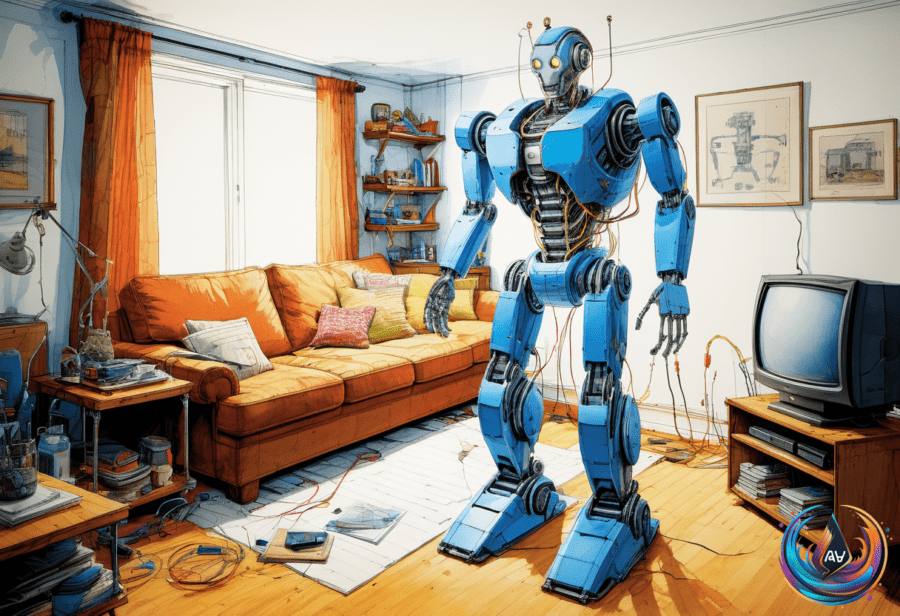
A San Francisco-based robotics startup is in hot water for turning Airbnb rentals into secret robot testing labs. The Bot Company, co-founded by former Cruise CEO Kyle Vogt, faces a lawsuit after allegedly booking homes under false pretenses and trashing them while testing prototypes.
Sean Donovan, an Airbnb host in the Portola neighborhood, rented his property to supposed remote workers from Thailand. Instead, over 11 nights in April, more than 30 people came and went in shifts. Donovan’s outdoor Ring camera caught the unusual traffic, and when he visited the home, he discovered a six-foot robot prototype wired into the house.
The damage was extensive. A 70-year-old family dining table was scratched and water-stained. A prized pottery set vanished. Bathroom tiles chipped, furniture scratched, and a shoe rack disappeared from a locked closet. Kitchen appliances, including dishwasher racks, were bent or scratched. Silverware was moved to different drawers and rooms. Donovan estimates $12,383 in damages and lost income.
The Bot Company has kept tight-lipped about its technology. The startup, valued at around $2 billion and backed by major venture capital firms, aims to build household chore robots. Its secretive approach extends to testing—using real homes instead of sanitized labs to simulate the chaos of domestic life. That makes sense in theory, but doing so without permission crosses legal and ethical lines.
Donovan uncovered that guests associated with his booking left negative reviews from at least a dozen other Airbnb hosts. Similar complaints involved property damage, missing items, and rule violations. The Bot Company allegedly booked rentals under the guise of short-term stays rather than commercial use or filming, allowing them to avoid higher fees and disclosure.
The lawsuit accuses the startup of unauthorized commercial activities, including robotic testing and filming, all under false pretenses. Donovan says honesty would have solved the problem. If The Bot Company had disclosed their plans, he might have agreed to a commercial rental rate. Instead, he feels deceived and violated.
This incident spotlights a murky area in robotics testing. Real homes are unpredictable, cluttered, and fragile—ideal for developing practical household robots. But covert testing risks property damage and breaches trust. Similar issues have arisen with robotaxi companies treating public roads as test tracks without clear accountability.
The Bot Company declined to comment. Meanwhile, the lawsuit pushes a broader conversation: how should startups balance innovation with respect for privacy and property? Testing robots in homes demands transparency and consent. Otherwise, the damage extends beyond scratched furniture to the startup’s reputation.
Based on
- Kyle Vogt’s Bot Company is being sued for turning an Airbnb into a robot lab — thenextweb.com
- Ex-Cruise CEO Kyle Vogt’s Robot Startup The Bot Company Sued for Allegedly Trashing Airbnbs During Covert Robot Tests | AI Weekly — aiweekly.co
- Allegedly trashing Airbnbs to test robots puts startup in legal trouble – NEWSx.io — newsx.io
- Airbnb Hosts Fall Victim to Robot Testing Scams by SF Startup (2026) — azasa.org
- Airbnb host sues US startup for using rental home to test humanoid robot – VnExpress International — e.vnexpress.net