Amazon is stepping up its warehouse game with a new generation of robots that understand plain speech. Instead of typing commands or using special software, workers just tell the robot what to do. It listens, plans its route, and gets the task done.
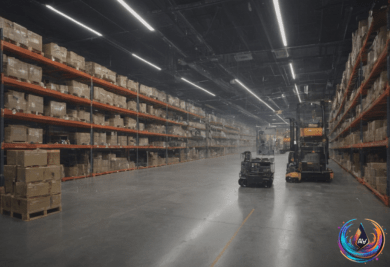
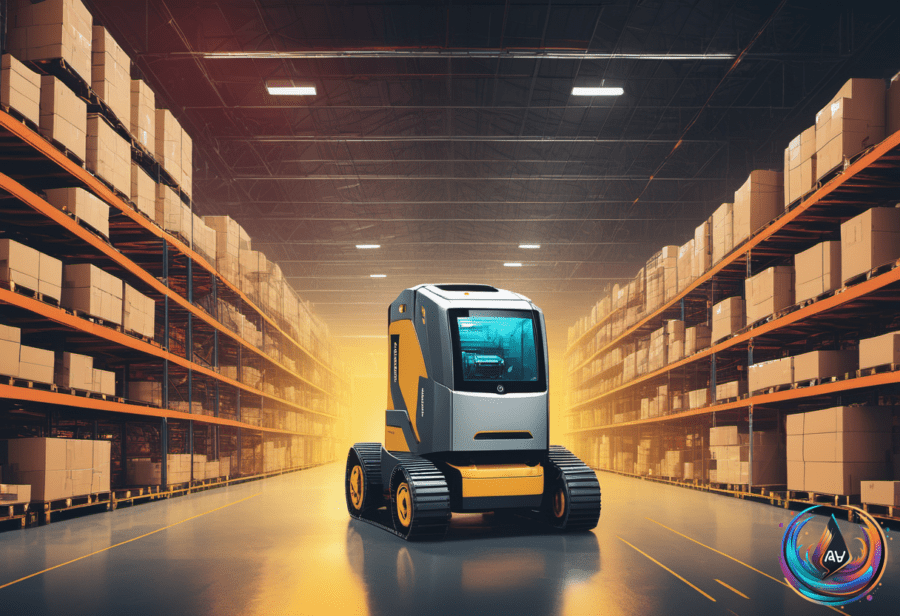
The star of this new wave is the Proteus robot. It looks like a heavy-duty version of a Roomba and hauls carts weighing up to 400 kilograms. Unlike earlier models limited to dock areas, the upgraded Proteus can move freely around the entire warehouse. It carries containers from arrival points to various workstations, helping employees stay focused on more complex tasks.
This upgrade is not just about moving stuff more efficiently. By letting employees give spoken commands, Amazon blends AI and robotics in a way that feels natural. The company calls Proteus an “assistant for material movement.” It figures out priorities and timing on its own, reducing the need for human micromanagement.
Big Investment and More Robots on the Way
Amazon plans to roll out these new robots in Europe starting in early 2027. This launch is part of a massive €10 billion investment to modernize fulfillment centers across the continent. The company also aims to add 25,000 new warehouse jobs there, balancing automation with workforce growth.
Proteus is just one piece of the puzzle. Amazon is expanding other robots like Vulcan, which has a sense of touch for handling tricky objects, and STARK, a collaborative robot designed to manage smaller containers called “totes.” STARK has already been tested in Barcelona and will soon operate at 15 European sites.
All these robots focus on reducing physical strain for workers. They take on repetitive, heavy lifting and transportation, freeing people to manage inventory, oversee quality, and perform technical maintenance. This shift creates new jobs in engineering and reliability to keep the machines running smoothly.
Robots That Understand and Adapt
What makes the new Proteus special is its ability to understand natural language. No more coding or button pressing. Workers just say what they need, like “move these carts to packing” or “transfer containers to the next station.” Proteus then maps out the best way to complete each job.
This approach could transform warehouse work. It makes robots easier to use and integrate. It also reduces the chance of errors from miscommunication or complex software interfaces. The AI inside Proteus handles the logistics, so employees can focus on tasks that require human judgment.
Amazon’s push for smarter robots comes amid a broader trend in warehouse automation. Beyond Proteus, the company recently introduced humanoid robots in a Reno, Nevada warehouse. These bots assist with sorting and packing, taking on repetitive chores while letting humans tackle more skilled work.
Despite automation fears, Amazon insists these robots are tools, not replacements. The company highlights its hiring plans and new roles created by robotics. Still, concerns remain about worker safety and job stability, especially since Amazon has faced scrutiny over warehouse injury rates.
So far, the next-generation Proteus is being tested in labs. The real test will come as these robots hit busy warehouse floors across Europe. If they work as promised, they could reshape how goods move from arrival to shipment. That means faster deliveries and safer, less tiring jobs for thousands of workers.
Amazon’s investment in robotics reflects a bigger AI-driven shift in logistics. As AI improves, expect smarter machines that talk back and take commands like team members. Proteus is an early glimpse of this future, where human and robot workers collaborate seamlessly.
Based on
- Amazon’s new Proteus warehouse robot is fully autonomous — engadget.com
- Amazon’s new Proteus robot takes plain-language orders, headed to Europe in 2027 — thenextweb.com
- Amazon unveils Proteus and €10 billion European logistics upgrade — newsbytesapp.com
- Amazon’s Proteus Robot Gets Smarter in Europe | StartupHub.ai — startuphub.ai
- Amazon Deploys Humanoid Robots in Reno Warehouse – OLD ZERO — oldzero.com