September 2026 is closing with a busy mix of new devices, software updates, streaming changes, and company shake-ups. Across the latest announcements, phones are gaining more capable voice tools, gaming hardware is becoming easier to repair, and familiar services are changing how people pay, watch, and play.
The activity also stretches beyond product launches. Undead Labs has separated from Xbox, Microsoft is planning thousands of Xbox layoffs, and Valve is testing a new video codec for Steam Remote Play. Taken together, the updates show a technology industry moving on several tracks at once: better hardware, more personalized software, and major business changes behind the scenes.
New tools for phones, screens, and homes
OpenAI is bringing ChatGPT Voice’s agentic capabilities to its mobile app, giving phone users a way to command ChatGPT Voice to do more things from their phones. The change puts more action-oriented features inside a mobile experience instead of keeping them tied to a desktop. It also adds another step to ChatGPT’s role as a phone-based assistant.
Elgato’s Stream Deck Neo is getting a more useful smallest screen through the Stream Deck 7.6 update. The Neo’s Infobar had been limited to a clock and page indicators, but the update expands what it can show. That may sound like a small software change, yet it gives a compact control device more information without requiring a larger display.
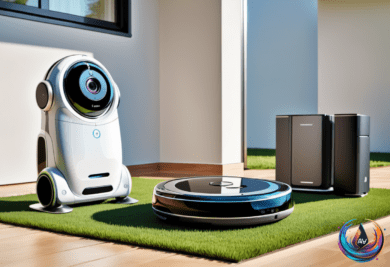
Switchbot is also upgrading a small-space appliance. The K11 Plus Pro robovac raises suction from 6,000Pa to 12,000Pa, doubling the figure. Its compact design and stronger suction position it as an option for homes where space matters, while the new pro version adds more cleaning power without changing the product’s basic focus.
Other hardware updates cover audio and Apple devices. The latest review recap includes 15 devices examined over the last two weeks, including the iPhone 18 Pro’s camera upgrades, Apple Watch Series 12 updates, and active noise cancellation in AirPods 5. The Mac mini and Mac Studio also benefit from new chips, while Sonos has the Ace Ultra headphones and Beam Ultra soundbar in the mix.
Gaming hardware gets attention
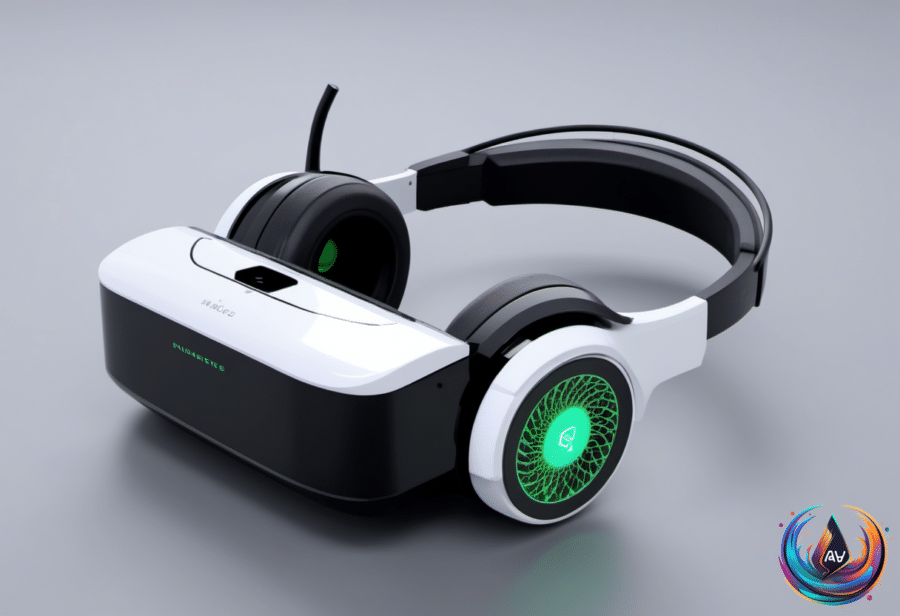
Valve’s Steam Frame teardown from September 22, 2026, found a headset that is surprisingly repairable. The design follows the same repair-friendly thinking Valve applied to the Steam Deck, which may help prolong the Steam Frame’s lifespan. The headset is priced at $99.99, and the teardown gives buyers a clearer look at how much attention Valve paid to serviceability.
Valve is also beta testing Pyrowave, a new high bandwidth, low latency video codec for Steam Remote Play. Pyrowave uses 5-10 times the bandwidth of other streaming codecs. That makes the test important for the way Steam games move video between devices, even before the codec reaches a final release.
Jsaux has opened preorders for magnetic Steam Machine faceplates first teased in November 2025. The E Ink faceplate costs $99.99, while the Pixel Matrix faceplate costs $89.99. Both options give Steam hardware owners another way to change the look of their devices, with the two models offering different display treatments.
CRKD’s Atom Plus is now available for $29.99 after shipping was announced for late June 2026. The tiny wireless gamepad uses drift-resistant thumbsticks, a detail aimed at one of the most frustrating problems in modern controllers. Its small size makes it a different kind of accessory from a full-size gamepad, but the core appeal is straightforward: wireless controls in a compact package.
Streaming platforms change the deal
Disney Plus is bringing a higher price to its ad-free plan, which is reported at $21.49 per month. For subscribers, the change matters because it raises the cost of watching without commercial breaks. The update puts more pressure on the value of premium streaming plans at a time when services continue to adjust their pricing.
YouTube is taking a different approach to the viewing experience. The platform expanded personalized AI feeds in September 2026, allowing users to create more than one custom AI feed. Instead of relying on one recommendation stream, viewers can set up multiple feeds around different interests, giving YouTube more ways to organize what appears on screen.
YouTube will also keep its Coachella broadcast relationship in place through 2030 under a renewed agreement with Goldenvoice. The extension gives the platform a long runway for the festival’s online broadcasts and keeps live music tied to YouTube’s streaming strategy for years to come.
Studio independence meets Xbox restructuring
Undead Labs announced its separation from Xbox on September 22, 2026, and has completed the move as an independent employee-owned studio. The developer behind State of Decay is now operating outside Xbox, but the change does not end its next major project. Development of State of Decay 3 remains actively underway, with a planned release in April 2027.
The transition comes alongside layoffs at the studio. That makes the news more complicated than a simple independence story: Undead Labs is gaining a new ownership structure while cutting jobs and continuing work on its next game. Its plans for State of Decay 3 remain in place despite the organizational change.
Microsoft is planning a much larger Xbox restructuring that will affect hundreds of employees, including 3,200 planned Xbox layoffs by the end of June 2027. The company also plans to consolidate several of its game studios. The Undead Labs separation and the wider Xbox cuts arrived on the same date, September 22, 2026, but they represent different paths for studios connected to the same gaming business.
Graphics updates round out the week
Nvidia released a new driver on September 22, 2026, with optimizations for Control Resonant, Gears of War: E-Day, and The Witcher 3: Wild Hunt – Remastered. The driver also enables DLSS 4.5 Ray Reconstruction in Control Resonant, adding a new graphics feature to that game.
These updates land as companies keep refining both the products people buy and the systems behind them. A repairable headset, a stronger robovac, a more capable AI feed, and a new game-streaming codec all address different parts of daily technology use. At the same time, price changes and layoffs show that the industry’s biggest moves are not limited to features on a product page.
Based on