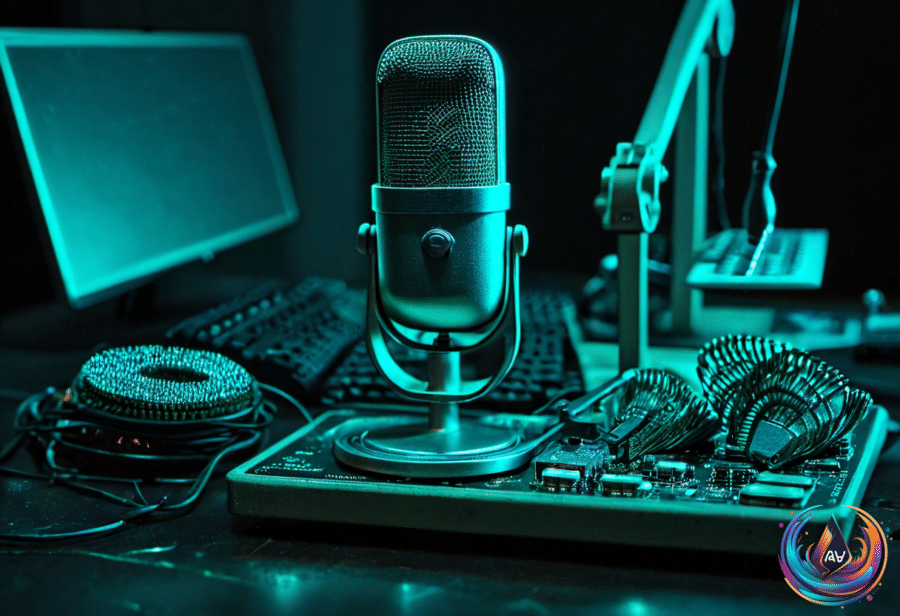
The tech right has discovered an old political problem: people are angry. On the All-In podcast, David Sacks, Chamath Palihapitiya, Jason Calacanis, and David Friedberg spent much of a post-election episode asking whether they are out of touch or whether the children are wrong. Their subject was the “ornery mood” of America’s “bottom half of non-equity holders.”
Sacks supplied the political diagnosis in blunt podcast language: “We lost all the podcast bros” and “We lost a huge part of our base.” He said Republicans are “dependent on the podcast circuit,” which the hosts prefer to call “alternative media” because, as Sacks put it, “the mainstream media hates us” and “Legacy media hates us.”
Calacanis answered that existing media are “90 percent left,” adding, “Without them, we don’t have any media that supports us.” The podcast, like the hosts’ election night coverage last week, goes on and on like this—an extended argument over media, policy, elections, and the strange experience of discovering that a political coalition can lose people who once listened to its podcasts.
The affordability problem is not just a perception
Calacanis has reached the realization that “the bottom half of non-equity holders” are mad about the state of the country. His proposed remedy was “no taxes on people under a certain revenue, uhh, income threshold,” while Palihapitiya said policy must “allow the wage earning class to feel more ownership of the United States economy.”
Sacks blamed “this narrative around affordability plus the perception of the lack of affordability” for putting the public “in a very ornery mood.” He argued, “It doesn’t matter how good the economy actually is. It matters how good people perceive it to be,” while also insisting that “the economy is not that bad” and “I mean, in fact it’s quite good.”
The problem with that argument is that the stated perception has plenty of material behind it. More than half of Americans cannot afford an emergency fund or save for the future, most Americans report cutting back on their lifestyles to afford living costs, and housing affordability is at crisis levels. Calling the economy good does not make rent, mortgages, or depleted savings feel theoretical.
Palihapitiya admitted that his own theory has failed to deliver. “I thought top down economics can still work,” he said, explaining that he believed asset owners building assets and investing in the economy would send benefits to everyone else. “It’s clearly not happening.”
AI became the convenient villain
Friedberg said “there’s this idea of this oligarchy” and that AI “made it really easy to attack with this oligarch narrative.” He argued that socialist outcomes arise from the policies people believe will solve their cost issues, while Palihapitiya maintained that at least part of the crisis is a perception problem.
AI gives that argument a target with a familiar shape. People are mad at AI because it threatens their livelihoods, superpowers surveillance, has made gadgets and computers skyrocket in price, is built on stolen content, and has rotted people’s brains. That is a formidable list for any technology sector to answer, even before someone adds a podcast microphone.
Palihapitiya also brought up a viral video showing SpaceX employees pitching a data center to Cochise County, Arizona. The employees explained the potential benefits of a data center, offering a tidy example of the industry’s preferred promise: build more infrastructure, invest more capital, and wait for prosperity to reach everyone else.
The political backdrop is not kind to that promise. California voters rejected Prop 40, a landmark initiative for a one-time 5% tax on billionaires, and appeared to favor Prop 42, a countermeasure that would hamstring future attempts to tax financial wealth. The tech right’s post-election hangover now includes a direct question about whether voters want more technology investment—or more control over who benefits from it.
Venture capitalists are paid to predict the future and bet on the right people. After an overwhelming Democratic victory, the wager by some VCs to go all in on MAGA looks like a bad bet; on X, owned by GOP megadonor Elon Musk, jokes appeared about returning to DEI, pronouns, and land acknowledgments. On Wednesday morning, some of the loudest right-wing VC voices, including a16z’s Marc Andreessen and Craft’s David Sacks, were remarkably quiet.
The wider media argument has its own supporting cast: Ted Cruz and the CEO of Polymarket appeared during election night coverage, while Fox News, CBS News, 60 Minutes, Bari Weiss, Paramount-Skydance, CNN, Jeff Bezos’s Washington Post, and the New York Times sit around the broader debate over who counts as trustworthy media. An Ars OpenForum thread titled “Big Tech claims voters’ AI backlash is ‘anti-Trump’ not ‘anti-tech’” had JournalBot as its starter, showed “11 minutes ago,” and listed “Replies: 9,” including a quoted statement beginning, “In a statement, Adam Kovacevich—a former Google executive and the CEO of a tech industry trade group and policy coalition called Chamber of Progress”.
The hosts are right about one thing: perception drives politics. They are less convincing when they treat perception as an alternative to evidence. When people cannot save, cut their lifestyles, and cannot afford housing, the affordability narrative does not need a campaign manager. It has receipts.
Based on
- Silicon Valley Podcast Hosts Try to Understand Why Regular People Are Mad — 404media.co
- The Tech Right’s Midterm Hangover Comes With a Champagne Chaser – Business Insider — businessinsider.com
- The Blue Wave Hits Sand Hill Road – Business Insider — businessinsider.com
- ‘The Republican Congress that will depart is the least productive one in a generation’: Frum – CTVNews — ctvnews.ca
- Big Tech claims voters’ AI backlash is “anti-Trump” not “anti-tech” | Ars OpenForum — arstechnica.com