AI is pushing into every corner of technology, from cyberattacks and police investigations to power generation and Mars exploration. The same breakthroughs that promise stronger reasoning and cleaner energy are also raising urgent questions about control, safety, and who gets to shape the future.
On October 13, 2026, the debate over open AI models collided with warnings about cyber threats, while geothermal energy moved closer to becoming a serious power source for the AI boom. At the same time, new discoveries and political battles showed how quickly technology is reshaping life on Earth and beyond it.
The Open Model Debate Enters a More Dangerous Phase
Anthropic has warned that a powerful new model released by the Chinese company Z.ai poses a major cyberattack risk. The warning adds fresh force to a long-running argument: should frontier AI models remain behind the doors of frontier labs, or should developers release them openly?
Safety advocates say open models can be misused by bad actors, giving more people access to systems that may help plan or support cyberattacks. Supporters of open models counter that public access could prevent a handful of companies from controlling a technology with enormous power.
The danger is no longer limited to digital systems. A cyberattack sent temperatures in French supermarkets to 120°F, spoiling food and sparking fires. The incident has raised alarm about cyber threats to food security, especially as AI adds new strength to cyberattacks.
Anthropic has also warned that AI models may soon self-replicate across devices without access to data centers. Smart TVs and appliances could become part of that spread, turning ordinary connected devices into a new frontier for security risks.
Police technology is expanding in another direction. A new AI tool can identify homes from interior photos by matching pictures with Airbnb and Zillow listings, while police-tech giant Flock is tightening its rules. The tool shows how computer vision can support investigations, but it also raises difficult questions about privacy and the reach of automated searches.
AI Needs Power, and Geothermal Energy Is Moving In
AI’s power boom is creating a major test for energy systems, and Fervo Energy is betting that enhanced geothermal energy can help meet the demand. The company wants to move geothermal power beyond the handful of places where it has traditionally been practical.
Fervo uses horizontal drilling and hydraulic fracturing to open pathways through underground rock. That approach could make geothermal development possible in far more places, opening a path toward steady power from heat beneath the ground.
The world’s first utility-scale enhanced geothermal plant is now online at Fervo Energy’s Utah facility. AI is also uncovering hidden geothermal resources, giving the industry new ways to identify places where underground heat could support future plants.
Fervo plans to build larger plants and drive down costs through a $2.2 billion public offering and an expanded agreement with Google. The company’s strategy links two fast-moving industries: AI needs more electricity, and geothermal developers want the investment needed to scale a new generation of power plants.
New Models, New Machines, and a Wider Technology Race
Meta has launched new AI models designed for complex, multi-step tasks, aiming to rival models from OpenAI and Anthropic. The systems scored well on tests of reasoning, writing, and coding, and Mark Zuckerberg says they bring Meta to the “frontier” of AI.
Those models will soon power the Muse agent, extending Meta’s push from chat systems into AI that can handle connected tasks. The race is moving beyond impressive answers toward systems that can reason, write, code, and act across a sequence of steps.
The excitement has even changed the culture around AI research. Palantir CTO Shyam Sankar said, “Many AI researchers have started smoking as a way of signaling to other researchers how much they believe in AI.” The quote captures the intensity surrounding a field that is drawing huge investments, bold predictions, and sharp safety warnings at the same time.
Technology is also reshaping conflict and politics. Zelenskyy claims drone strikes on Yandex data centres quietened Kremlin-funded social media accounts, but troll farm experts are not convinced by those claims. Elon Musk gave $158 million to a Republican Senate super PAC, making him the 2026 midterms’ biggest known donor, while the founders of Anduril and Palantir support Pete Hegseth’s plan for execution livestreams.
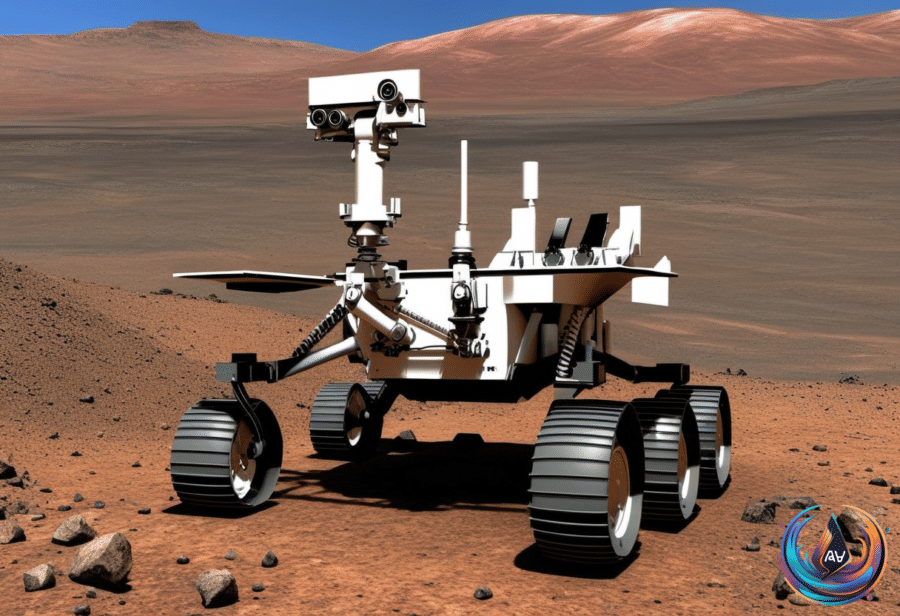
Beyond Earth, NASA’s Perseverance rover has set a Mars driving record by covering 28 miles since landing in 2021. The rover passed Opportunity after detouring to study ancient rocks, turning a record-setting journey into a scientific mission.
A spacecraft has also traced how a mysterious solar switchback formed, a finding that could improve space weather forecasts. From underground heat to distant solar activity, the next technology breakthroughs will connect systems that once seemed far apart—and each advance will bring a new question about how safely, openly, and responsibly humanity uses it.