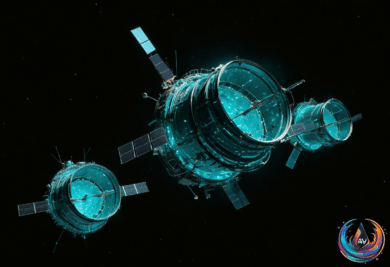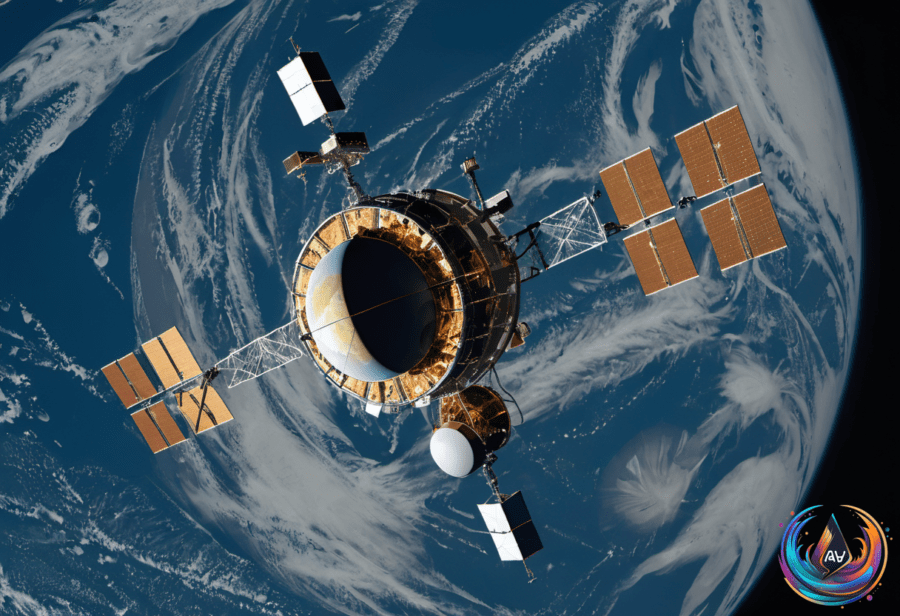
Space mirrors have a visibility problem. Reflect Orbital plans to launch a test satellite that will extend an 18-by-18-meter mirror in orbit, creating a controllable beam of sunlight aimed at Earth. The company says the technology could extend sunlight for solar panel charging, emergency response, and military activities.
The plan becomes harder to ignore at the proposed final scale: up to 50,000 larger satellites reflecting sunlight on demand. New research suggests those beams could shine as bright as 10,000 full moons and scatter light across tens of kilometers, meaning the night sky could brighten for many more people than intended.
That is the part where “on demand” stops sounding like a feature and starts sounding like a neighborhood policy dispute. A system designed to add daylight for useful work could also alter the night sky across a wide area, because light does not respect the neat boundaries in a product presentation.
AI Can Discover the Drug, But Not Own It
Insilico Medicine used computer models to propose a promising drug for pulmonary fibrosis, then claimed the molecule had been “discovered by” generative AI. When the company filed a patent, however, it named five humans as the drug’s “inventors.”
The legal answer remains blunt: no matter how fundamental an AI is to a discovery, humans—and only humans—can take credit for inventions. The machine can propose the molecule, but the paperwork still needs people attached to it. Bureaucracy has survived another technological revolution.
That tension sits inside a larger change in scientific writing. A new study suggests that 90% of biomedical papers show signs of AI use, while a third of new web pages also involve AI authorship.
Those figures describe more than a new tool for researchers and publishers. They point to a world where AI helps create both the scientific record and the web surrounding it, while responsibility for inventions, claims, and published work remains with humans.
Moon Ice, Longer Lives, and Very Expensive Property
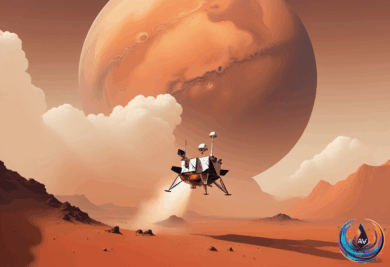
China’s Chang’e 7 mission will hunt for lunar ice at the moon’s south pole. The mission will deploy robotic landers, rovers, and “hopping” probes, turning a difficult search into a small fleet of machines built for uneven lunar ground.
The mission’s target is ice, but the broader theme is access: robots go first, test the terrain, and gather information before humans attempt more ambitious activity. The moon still demands machines that can land, move, and hop without expecting a paved surface. A harsh reminder from geology.
On Earth, a new study suggests humans could live for 194 years if all the theoretically curable causes of aging are cured. That number describes a theoretical limit, not a treatment plan, which is probably fortunate for everyone who has seen a medical bill.
Mark Zuckerberg has bought an Irish castle and a 440-acre estate, reportedly costing up to €30 million. The purchase adds a property headline to a news cycle already crowded with AI, orbital infrastructure, lunar exploration, and the possibility of exceptionally long human lives.
Other technology and security developments sit in the same orbit. Musk is associated with Starlink in a Ukraine drone operation, while Kyiv is seeking approval for drone use.
And then there is the quote attributed to Darth Vader—or, at least, a man in his costume: “The emperor is a fan of Flock, and we must continue utilizing Flock technologies so that we can follow and surveil the rebel scum.” It is a strange line, but it captures the mood of the wider story: surveillance, automation, and power keep arriving dressed as practical tools.