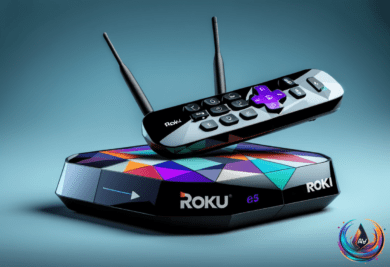
Roku has raised prices on its streaming devices by up to 60 percent. The price jump comes as a global memory shortage hits the tech world. This shortage is driven by soaring demand for AI technology.
The Streaming Stick 4K, one of Roku’s popular models, saw its price rise from $50 to $80. The Roku Ultra, a higher-end device, jumped from $100 to $150. Other devices like the Streambar SE also increased by $50, while entry-level Streaming Stick prices went from $30 to $40. The Streaming Stick Plus rose from $40 to $60. These are some of the biggest price hikes in Roku’s history.
A Roku executive explained the cause clearly: “The changes were driven by shortages in memory and other components caused by the AI boom.” The AI rush has pushed memory chip costs higher, affecting many tech companies. Qualcomm, for example, has also raised prices due to rising memory expenses.
Roku’s CEO, Anthony J. Wood, said the company’s devices use far less memory than competitors. He noted, “Roku has focused on keeping its bill of materials low and requires significantly less memory and storage than rivals.” Despite this, the price increases were necessary because of the overall market conditions.
Roku hardware is mostly made by third parties. Still, the company controls about 28 percent of the US connected TV platform market. More than 100 million households worldwide use Roku devices, making it a major player in streaming technology.
Price Changes and Market Impact
Even with the price hikes, Roku’s devices remain available at the old prices on its US website. These are shown under a “sale” label, suggesting Roku wants to keep deals attractive for now. However, the company expects international prices to rise soon. The UK and other regional websites have not changed prices yet, but increases appear likely.
The memory shortage that sparked these changes is expected to last well into 2027. This means higher costs for streaming devices and other electronics are likely to stick around for a while. Fox recently announced plans to acquire Roku for $22 billion. The deal could close in the first half of 2027 once regulators approve it. This timing overlaps with the memory shortage’s expected duration.
Comparisons with Other Companies
Roku’s price increases echo similar moves by Apple. Apple recently raised prices for its Apple TV boxes, with the 64GB version going from $129 to $199. The 128GB model jumped from $149 to $249. Both companies face the same supply challenges linked to memory shortages.
A Roku representative said, “We are doing our best to have great deals like what we have going on right now.” This suggests Roku is trying to balance higher costs with customer-friendly pricing. Still, customers should expect prices to stay elevated until supply improves.
Roku devices have long been seen as affordable options in the streaming market. Now, with prices climbing, that reputation could face pressure. For many users, the choice will come down to balancing cost with features and performance.
The global AI boom is reshaping many industries. Memory chips, a key part of electronics, are in tight supply. This shortage is forcing companies like Roku and Apple to adjust prices. For consumers, it means paying more for gadgets they once bought cheaply.
Based on
- Roku raises streaming device prices by up to 60 percent as the memory shortage reaches the living room — thenextweb.com
- Roku Is Increasing Prices Across Its Hardware Range — engadget.com
- Roku raises streaming hardware prices by up to $50 | The Verge — theverge.com
- Roku raises streaming stick prices by up to 60 percent – Ars Technica — arstechnica.com
- Roku raises streaming stick prices by up to 60 percent | Ars OpenForum — arstechnica.com