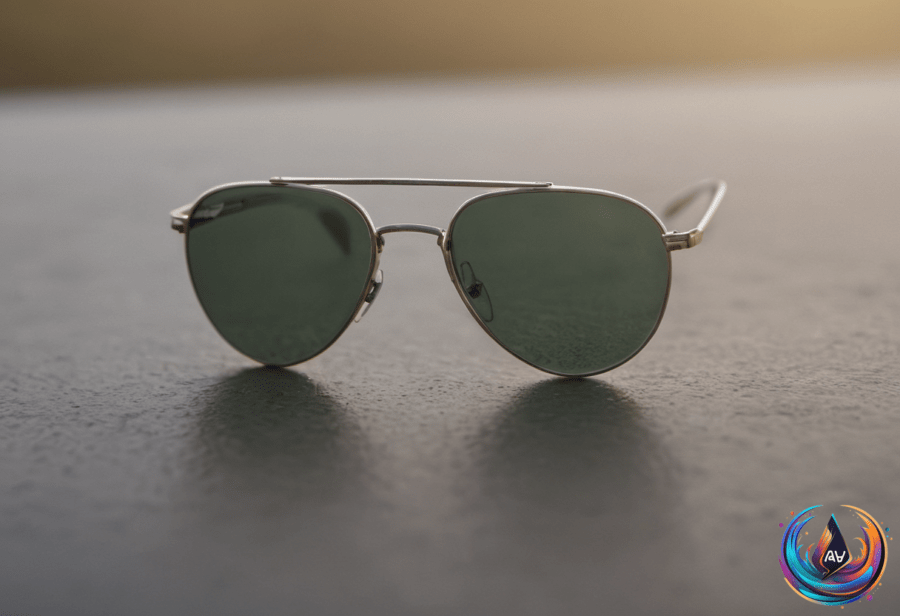
Seven million pairs of Meta glasses were sold last year, turning a privacy debate into a much bigger public problem. These AI glasses look like ordinary sunglasses, yet they can capture photos and video, creating new concerns about people being recorded without consent.
The central warning sign is a small white light built into the frame. When that light shines, people around the wearer are meant to know that the camera is active. But the light can be covered or switched off with a simple modification, and online communities provide instructions for doing it.
A Recording Light That Can Be Defeated
Meta’s Ray-Ban Meta glasses are designed to blend into everyday life. Their shape resembles ordinary sunglasses, and the recording light is the only visible warning that the device may be capturing content. That design has helped the glasses attract attention, including an edition created with Kylie Jenner and a moment when Camilla, Duchess of Cornwall, was seen trying them on.
Meta says the light protects people nearby. “Meta’s answer is the light. The company says the capture LED blinks briefly when a photo is taken and keeps blinking through a video, that it has no off switch, and that it is there so everyone around the wearer knows they are recording,” the company said.
Meta also claims the glasses use tamper detection technology. If someone tampers with or destroys the LED, the camera should disable itself. On July 7, 2023, Meta announced an update designed to disable the camera when the system detects tampering with the light.
That safeguard has not ended the concern. “People who want the light off find each other online, they said,” according to a description of online communities that share modification instructions. Once the warning light is hidden, a person nearby may have no clear way to know that a camera is recording.
More Glasses, More Places to Worry
Access to the technology expanded when Meta launched a cheaper second line of glasses with EssilorLuxottica in June 2023. The new line started at $409 in Canada, putting camera-equipped eyewear within reach of more buyers and widening the number of places where hidden recording could happen.
Privacy concerns include misuse sometimes described through the phrase “pervert glasses,” especially when people use the devices to film strangers without consent. Gyms and some venues have explicit no-filming rules, yet a small camera built into sunglasses can make enforcement difficult.
Some venues have already taken strong steps to block cameras. The Berlin nightclub Berghain covers phone cameras at the door, showing how physical controls can help protect privacy in spaces where recording is not welcome. AI glasses create a harder challenge because the camera sits inside an object that looks like normal eyewear.
Filming strangers in public is generally legal in Canada, but the purpose and volume of those recordings still raise concerns. Section 162 of the Criminal Code makes it voyeurism to secretly record someone who has a reasonable expectation of privacy, with penalties of up to five years in prison.
When Removing a Recording Becomes the Next Fight
Stopping a recording is only one part of the problem. If someone captures an image or video without consent, getting it removed can involve police and social media platforms, and the process often takes weeks.
That delay matters because Meta owns Facebook, Instagram, Threads, and WhatsApp, four major platforms where images and videos can spread. A person who discovers an unwanted recording may need to navigate both a legal process and a platform removal process before the material disappears.
Jake Moore, a cybersecurity advisor at ESET who tested Meta glasses, commented on the privacy issues around the devices. His testing highlights the gap between a privacy feature existing on paper and that feature remaining visible in real life.
The issue also reaches beyond product design. Suzie Dunn, a law professor researching technology-facilitated gender-based violence, believes the technology creates risks that warnings and safeguards may not solve. “I think they should stop making the glasses,” Dunn said.
Ottawa’s most recent move, the Safe Social Media Act, was introduced on June 10, 2026, adding to the wider policy debate around digital platforms, recording, and personal privacy. The question now reaches beyond whether Meta can make the LED harder to defeat: should people have to identify a hidden camera before they can feel safe in a gym, venue, or public space?
Meta’s CEO Mark Zuckerberg is associated with the glasses, and the company continues to position the devices as part of its growing hardware push. But every pair sold adds another camera to everyday surroundings, making consent harder to see and unwanted recording harder to undo.
The future of AI eyewear may depend on a simple test: can everyone nearby understand when recording is happening, and can they trust the warning? If the answer remains uncertain, the tiny white light will stay at the center of a much bigger privacy battle.
Based on
- As demand for Meta AI glasses explodes, it’s harder to avoid creepy recordings — arstechnica.com
- People are going to lengths to stop themselves from being filmed through Meta’s ‘pervert glasses’ | Fortune — fortune.com
- Meta’s ‘pervert’ problem is killing smart glasses – its best product ever | The Independent — independent.co.uk
- Meta ‘pervert glasses’: how to tell if you are being recorded | National Post — nationalpost.com