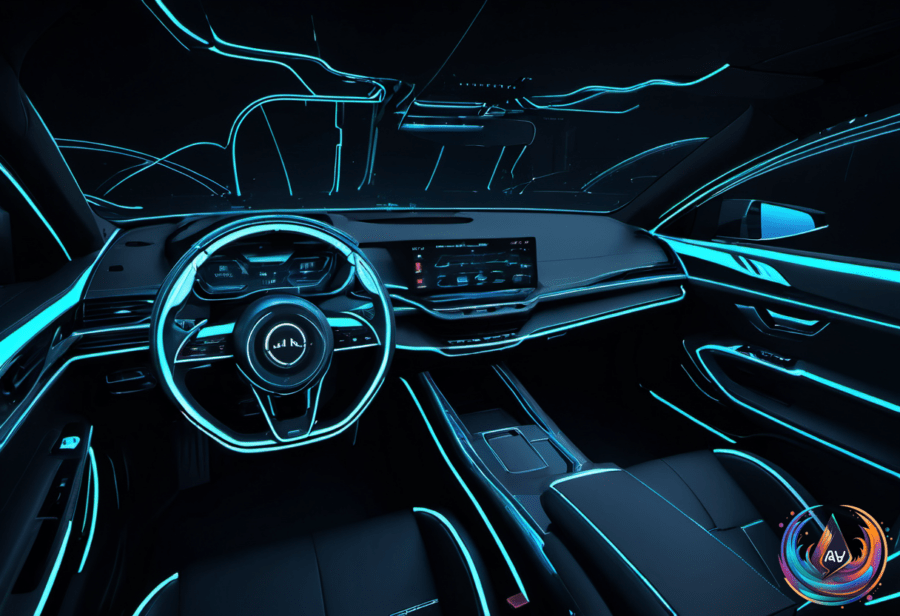
Change is roaring down the highway of car tech. Android Auto, once the king of infotainment, is facing a serious challenge. Major carmakers are dropping it—starting in 2026. What’s behind this seismic shift? It’s a story about data control, AI power, and the quest for a smarter driving experience.
Android Auto’s Rise and the Phone Connection
Android Auto took off by making your phone the star of the show. Plug your phone into your car’s screen, and voilà—your apps, music, maps, and messages appear instantly. It was simple. It worked. Drivers loved it because it felt familiar and fresh. Carmakers liked it because they didn’t have to build complex infotainment systems from scratch.
But there’s a catch: Android Auto depends on your phone’s processing power and data. The car’s display is just a mirror, not the brain. That means all your driving data goes to Google, not the carmaker. GPS, navigation, app usage—it all feeds Google’s advertising machine. Carmakers get zero control over this valuable data.
Why Carmakers Are Cutting Android Auto Loose
Big players like General Motors have made bold moves. GM announced it will ditch Android Auto in favor of its own AI-powered system starting with its electric vehicles. Why? They want to own the data and the intelligence behind your drive.
With their own system, powered by Google’s Gemini AI but running directly on the car’s hardware, GM can offer smarter features. Think intelligent EV routing that factors in battery charge, nearby chargers, and traffic conditions. It integrates tightly with driver assistance tech like Super Cruise. That’s something Android Auto can’t do because it’s limited by the phone connection.
Other innovators like Rivian and Tesla never supported Android Auto. They build their own systems from the ground up, aiming for total control over the driver interface and data. Rivian even argues that AI integration makes phone mirroring obsolete. Android Auto’s future is shrinking as this new generation of AI-infused car systems takes hold.
Why Drivers Still Love Android Auto
Despite the industry’s shift, many drivers swear by Android Auto—and for good reasons:
- More apps: Android Auto supports a huge range of apps for music, navigation, communication, and even smart home controls. Most built-in systems can’t compete.
- Regular updates: Your car’s native system often stays frozen in time. Android Auto updates constantly via your phone, adding new features and apps like Gemini voice assistant.
- Cross-car consistency: Switching cars? No problem. Android Auto brings your personalized apps and settings anywhere, unlike clunky built-in systems.
- Easy setup: It connects quickly using your phone’s login info. No need to re-enter passwords or configure each vehicle’s system.
- Better voice control: Gemini AI transforms voice commands into a seamless, hands-free experience. It’s sharper and more reliable than many built-in assistants.
But Android Auto’s Achilles heel remains: bugs and reliability issues. For months, users have battled dropped connections, delayed responses, and glitches. Google’s latest beta update hints at fixes and interface tweaks, but the system still feels patchy. Meanwhile, automakers building integrated Android Automotive OS systems promise smoother, faster experiences running natively on car hardware.
Android Auto vs Android Automotive: The Critical Difference
Confused about Android Auto and Android Automotive? You’re not alone. They sound alike but play very different roles:
- Android Auto mirrors your phone’s display to the car’s screen. It needs your phone to work and can’t control car functions beyond the screen and audio.
- Android Automotive is a full operating system embedded in the car’s hardware. It runs apps, manages vehicle features like climate control, and can connect to cellular networks independently.
Most carmakers moving away from Android Auto are adopting Android Automotive or their own AI-powered systems. This shift puts carmakers back in charge of data and user experience. They can offer richer customization, better integration with vehicle features, and enhanced AI assistants that work without needing your phone.
What’s Next for Car Infotainment?
The road ahead is clear: drivers want smarter, faster, and more reliable infotainment. They want AI that understands their needs and adapts on the fly. Carmakers want control over the data that powers these experiences. Google still plays a key role with Gemini AI and Android Automotive OS, but the phone-mirroring era is ending.
Will Android Auto survive as a fallback for older cars? Probably. But the future belongs to integrated systems that merge AI, data, and vehicle controls. Imagine a dashboard that knows your route, your preferences, and your car’s status—then talks to you naturally without fumbling or delay.
Get ready for a new generation of car tech. The dashboard is evolving from a display into a smart companion. The driving experience will never be the same again.
Based on
- Car manufacturers are ditching Android Auto in 2026: Here’s why — engadget.com
- 5 reasons I’m using Android Auto instead of my car’s own infotainment system – and can’t go back – YTBlast — Tech, AI & Cybersecurity News — ytblast.com
- Android Auto advantages over built-in car systems — motorsmagazine365.com
- Android Auto vs Android Automotive: Unraveling the Differences (2026) — exoticrefuge.org
- Android Auto Finally Getting Fixed? New Update Promises Bug Fixes! (2026) — ruvixqalm.com