Restarting your phone is not the miracle cure you might hope for. It mostly clears minor glitches and frees up running cache. That’s about it.
Mobile operating systems are mature. They handle long uptimes with plenty of background processes designed to keep things smooth. Android phones show a slightly bigger benefit from rebooting than iPhones, but most users don’t need to waste the effort.
Android treats unused memory like trash. It prefers to keep it in use. iOS takes a different approach. It compresses data cleverly and aggressively clears apps from RAM when necessary. Both systems juggle resources well without a reboot.
Rebooting does clear your running cache and may reset some minor performance hiccups. The NSA suggests restarting at least once a week for marginal security gains. But zero-click malware attacks, which rebooting might deter, are rare and patched fast.
Your phone battery still drains when powered off. It loses about 1-2 percent monthly due to self-discharge and clock circuits. Storing your device above room temperature speeds up this drain. Apple advises storing phones at around 50 percent charge to avoid deep-discharge damage.
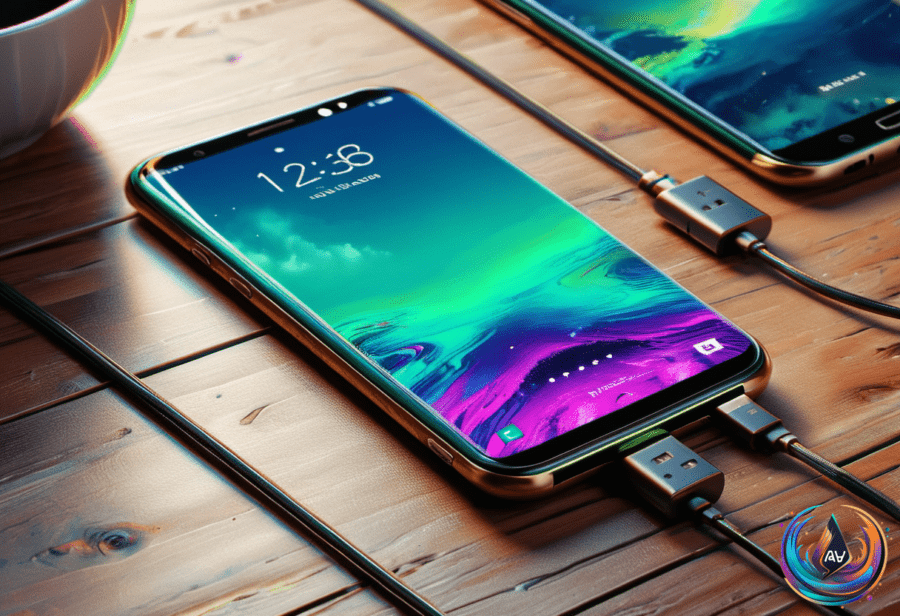
Charging your phone faster isn’t about rebooting—it’s about cables and adapters. Using airplane mode while charging saves only 4 to 11 minutes, mostly because it stops your phone from searching for signals. The real speed boost comes from better power blocks and USB-C-to-USB-C cables.
Keeping your phone lit up or using it while charging slows the process. Airplane mode discourages distractions, indirectly speeding charging by making you less likely to tap your screen.
Android performance can improve by clearing system cache, but there are other tricks too. Sideloading older app versions or speeding up system animations can refresh your device. These tweaks outperform the occasional reboot.
Old iPhones aren’t dead just because their batteries fail. iOS 27 runs on devices as old as the iPhone 11. These phones still serve as music players, alarm clocks, or streaming devices. They make decent bedside clocks with charging docks or kickstands.
You can repurpose an old iPhone as a navigation device, eReader, or content creation tool for time-lapse videos and audio recording. They also work as smart home hubs or security cameras. Families use them to monitor children or as simple devices for grandparents and toddlers.
If you don’t want to keep an old iPhone, you can sell, donate, trade-in, or recycle it. Apple offers nominal trade-in values. Platforms like Facebook Marketplace, eBay, Swappa, and Gazelle are good options too.
Based on
- Is there any benefit to restarting your phone regularly? — engadget.com
- Why Do Phones Still Use Battery When Powered Off? — engadget.com
- Yes, Airplane Mode Makes Your Phone Charge Faster — But It’s Not Worth It — engadget.com
- 5 ways I speed up my Android phone beyond clearing system cache – all for free | ZDNET — zdnet.com
- Here’s Why You Shouldn’t Throw Away Your Old iPhone — engadget.com