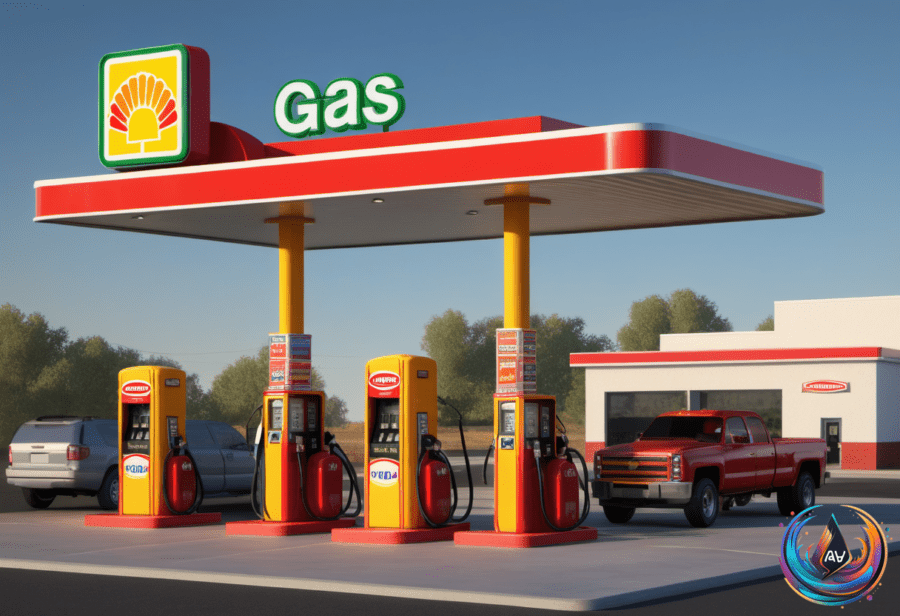
The first half of 2026 has been a rollercoaster for businesses. Wild swings in gas prices and jittery markets are driving unprecedented volatility. Companies face rising costs and uncertain consumer behavior. How are they coping? The answers reveal a complex web of economic pressure that’s reshaping industries.
Fuel Prices Surge and Ripple Across the Economy
Gas prices exploded from $2.98 per gallon in late February to $4.08 on April 2. By Thursday, the average price nudged even higher to $4.09 per gallon, climbing 15 cents in just a week. Demand for gasoline jumped 1% last week, reaching 8.9 million barrels per day. The surge hit because global oil prices passed the $100 per barrel mark for the first time since May of the previous year. This spike pushed crude oil prices upward, shaking global supply concerns.
Diesel prices rose about 51% in the second quarter compared to early 2026. Jet fuel costs jumped 90% over the past year. These soaring fuel expenses hit ships, trucks, and planes hard. Businesses face steep operational costs. The higher costs don’t stay locked away; they flow straight to consumers.
Businesses Feel the Pinch and Pass It On
Miguel Gomez, director of Cornell University’s Food Industry Management Program, explains why prices climb fast but drop slow: “In general, once you have an increase in costs, businesses are fast in increasing the price. It takes more time to lower prices when the costs go down.” This means consumers may face prolonged price hikes, even if fuel prices stabilize.
Industries that rely heavily on transportation and energy are especially vulnerable. Grocery prices rise as diesel fuels farming equipment and truck shipments. Albertsons, a major grocery chain, lowered its 2026 fiscal outlook because of pressure on its core business and falling consumer spending. Tractor Supply Co., which serves rural customers, also cut its annual sales forecast, blaming higher fuel costs in the spring selling season.
Truckload pricing hit a four-year high. Fuel costs and limited capacity are squeezing the freight industry. This bottleneck raises costs for goods shipping nationwide.
Supply Chain Strains Stretch Into Consumer Products
Some footwear companies are battling a 25% increase in petroleum-based material costs. The Middle East conflict drives these price rises. These higher raw material prices could push up finished footwear costs by around 5% for consumers. American Airlines reported a sharp drop in second-quarter net income despite strong travel demand and record revenue. The airline raised fares, but it only covered about half of the fuel cost hike.
Businesses are caught in a tough spot. Rising energy costs force price hikes everywhere. Consumers brace for more strain. Markets remain jittery as inflation readings fluctuate and consumer behavior shifts unpredictably. EY highlighted fuel as one of the toughest areas to prepare for in 2025 and 2026, a reality businesses are living every day.
What’s Next for Businesses and Consumers?
Expect volatility to continue at least into the near future. Gasoline prices look set to climb further. Companies face ongoing cost pressures. Consumers could see higher prices across groceries, footwear, and travel. How businesses adapt will define their success in this choppy economy.
Operational agility and smart pricing strategies are more important than ever. As fuel costs ripple through supply chains, companies that manage these shocks well can stay competitive. The next months will reveal who navigates this storm best.
Based on
- Why businesses are bracing for more economic volatility in 2026 — thenextweb.com
- What more expensive corporate debt could mean for the AI buildout — cnbc.com
- Here are 4 forces that drove a tough week for stocks — cnbc.com
- Earnings playbook: Apple, other megacaps lead busiest week of the season — cnbc.com
- From gas to grocery aisles and back-to-school items: How higher oil prices will hit your wallet | The Independent — independent.co.uk